In this article:
Why Do Joints Become More Flexible During Pregnancy?
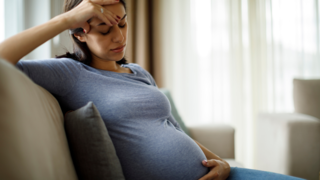
Your body creates a hormone called relaxin while you are pregnant. As the name suggests, relaxin helps loosen up the ligaments and joints, especially around the pelvis.Your pelvis can widen because your joints are flexible, making childbirth easier. But there's another side: relaxin makes your joints less stable, even though it makes you more flexible. Sometimes, this can cause different parts of your body to hurt, feel stiff, or ache.
Common Pregnancy Aches Linked to Joint Flexibility
You may notice pain in certain areas, often linked to joints that have become more flexible.1. Pain in the pelvis: You can feel pressure or pain as your pelvis widens, especially in the last few months leading to delivery.
2. Pain in the lower back: Your lower back and pelvic joints become more flexible to help adjust your posture. This added flexibility, combined with your baby’s weight, can sometimes cause back discomfort.
3. Pain in the hips: When your hips are looser, you may experience tightness or pain when walking, climbing stairs, or turning in bed.
4. Pain in the knee or ankle: If you stand for a long time with excess weight, it can be very hard on your knees and ankles.
5. Pain in the wrist or hand: Some women report pain in their hands or wrists, especially if they have oedema or carpal tunnel syndrome.
How Joint Flexibility Can Lead to Injuries
It's normal for your joints to be flexible, yet it can make you more vulnerable to having small injuries:- A quick twist might cause a sprain
- Lifting heavy weights can put pressure on the back and hips
- You could hurt yourself if you stretch too much while exercising
Managing Pregnancy Aches Caused by Flexible Joints
The good news is that there are simple and easy solutions that can ease your pain in the joints:1. Maintain good posture: Don't slouch because it puts more strain on your hips and lower back. Instead, keep your body upright and let your shoulders relax.
2. Do mild activities to stay active: Walking, swimming, or doing yoga during pregnancy can help make your muscles stronger. Muscles that are strong help joints that are loose.
3. Wear supportive shoes: Flat, padded shoes take some of the load off your knees and ankles. Avoid wearing high heels, as they can cause you to feel unsteady.
4. Get enough sleep with the right assistance: Placing a pregnancy pillow between your knees can help align your hips and ease pelvic pain. Lying on your left side also promotes better blood flow.
5. Use heat packs or cold packs: Warm packs help tense muscles relax. Cold packs might help with swelling or severe discomfort. However, before you try either, consult your doctor.
6. Don't lift heavy things: It is dangerous to lift anything while your joints are loose. Avoid making quick or jerky movements; instead, ask for help.
7. Use a belt to support your pregnancy: These belts provide pleasant support for your lower back and abdomen. They make your joints feel less stressed.
When Should You See a Doctor?
It's normal to have mild aches throughout pregnancy, but occasionally it's best to see a doctor in the following situations:- The pain is quite bad or comes on quickly
- You have trouble walking
- Your joints feel like they might break
- Swelling with a numbness or tingling sensation
How to Protect Your Joints During Pregnancy
Comfort does not require complicated steps. Consider your body a support for you and your baby. Extra efforts may reduce pain and injury:- Understand your body: Listen to your body and take a break whenever needed
- Monitor your body: Extra weight puts stress on your joints
- Balanced diet: Increasing intake of Calcium, vitamin D, and magnesium is all good for your bones and joints
- Hydration: Keeping yourself hydrated will keep your muscles and joints flexible
Remember, pregnancy is about listening to your body. Taking care of your joints today will help make your journey to motherhood smoother and more comfortable.
Whether you’re pregnant, a new mom, or navigating postpartum, you don’t have to do it alone. Join our support group to connect, share, and support one another.
FAQs on The Connection Between Joint Flexibility and Pregnancy Aches
- Is it normal for my joints to feel loose during pregnancy?
Yes. Hormones that are released during pregnancy, including relaxin, make your joints more flexible to get your body ready for delivery. This looseness is natural; however, it can sometimes hurt or ache. - Can exercise make pregnancy joint pain worse?
Not necessarily, if you choose safe, low-impact activities like swimming, walking or gentle yoga, always ask your doctor first before adding any workout to your routine. - What should I avoid to protect my joints during pregnancy?
Avoid lifting heavy weights, high heels, or any hard routine. Your joints do better with gentle, balanced activity.