In this article:
What Happens During Early Embryo Development?
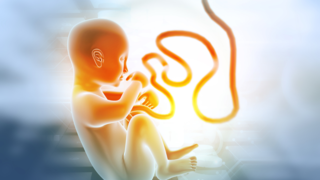
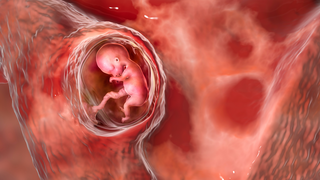
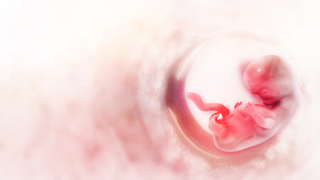
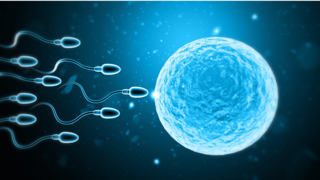
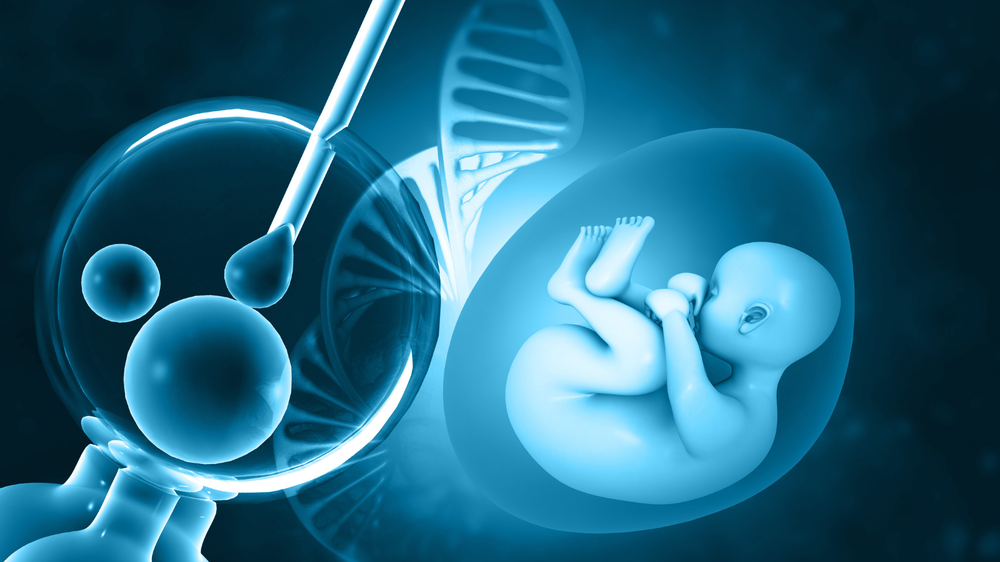
Life begins with fertilisation, the fusion of a sperm and an egg, which soon forms an embryo. This tiny cluster of cells develops rapidly as it travels down the fallopian tube towards the uterus. At approximately 6-10 days, the embryo anchors itself to the uterine lining, begins to develop the placenta, and establishes blood circulation.This phase is extremely sensitive. The cells are occupied in forming the earliest forms of the brain, heart, and other organs. This coordination relies on constant and perfect conditions, with temperature being one of the most important variables. Normally, the uterus maintains a constant temperature of around 37 °C (98.6°F), which is the optimal warm environment required to support this complex procedure.
How Do Temperature Fluctuations Occur During Early Pregnancy?
Although your body tries its best to maintain the uterus temperature at the same level, temperature swings in many ways can occur:- External weather changes: Cold winter mornings or hot summer afternoons can affect your body’s core temperature, especially if you’re outdoors for long.
- Illness and fever: Common infections, colds, or the flu can raise your internal temperature, sometimes above 38°C (100.4°F)
- Hot baths, saunas, or steam rooms: These activities cause a temporary elevation of your skin and body temperature.
- Hormonal changes: During pregnancy, hormonal fluctuations naturally lead to a slight increase in your basal body temperature; however, this change is not always consistent.
- Physical activity: Exercise or heavy labour raises your body temperature.
- Sleep environment: A room that is excessively hot or cold may have a slight influence on your body temperature during sleep.
Why Do Temperature Changes Matter for Early Embryo Development?
Your embryonic cells resemble small workers in forming the body of your baby. Both of them require optimal conditions to reproduce, relocate, and specialise. This depends on temperature mainly because:- Cell division: The cell division enzymes are only efficient in a range of temperatures. This process can be slowed down or hampered by being either too hot or too cold.
- Protein and enzyme activity: Proteins that are vital in growth change their shape or activity in response to extreme changes in temperature.
- Gene expression requires stability: The genes inside the embryo are activated and switched off at specific points that rely on a stable environment.
- Risk of developmental problems: Sometimes, even minor variations are not problematic, but extreme or dangerous, or persistent alterations in temperature cause the risk of a baby’s miscarriage or congenital disabilities.
How Big an Impact Can Small Temperature Changes Have?
It’s important to remember that your body is remarkable; your uterus can maintain a steady temperature for your baby, even when the outside environment changes.However, there are repetitive or extreme temperature fluctuations, such as prolonged fever (over 38.9°C or 102°F), that can cause stress on embryo cells. This is one of the reasons why doctors tend to recommend avoiding heat and refraining from hot tubs or saunas during pregnancy.
The key takeaway is that consistency and care go a long way in protecting your baby’s development.
What Are Some Signs That Temperature Changes Might Be Affecting Your Pregnancy?
Early temperature effects are not usually noticeable immediately, but there may be some signs of trouble:- Abnormal spotting or light bleeding: Occasionally, slight irritation of the uterus may occur due to slight temperature stress.
- Constant exertion or feebleness: Your body may be working harder than usual to maintain stability in the environment.
- High or prolonged fever: When the fever lasts for more than 24-48 hours, it should not be overlooked
- Abdominal Cramping or pain may indicate complications and require immediate medical attention.
How Can You Maintain a Stable Temperature During Early Pregnancy?
By making simple and everyday routines, you can keep your body temperature at a consistent level to ensure your baby develops appropriately:- Avoid hot baths and saunas: These can raise your core temperature too high, so opt for warm showers instead, not hot ones.
- Dress for comfort: Wear breathable materials that match the weather, avoiding overheating or chills.
- Stay hydrated: Drink a lot of water. This helps maintain the body's healthy temperature and also promotes healthy amniotic fluid.
- Rest in cool, shaded places on hot days: If you’re outdoors, take breaks in the shade and avoid midday heat.
- Be mindful of physical activity: Moderation is fine, but avoid excessive strain that will lead to overheating.
- Sleep in a comfortable environment: Your body needs to maintain a good temperature in a cool, well-ventilated room.
Why Is It Important to Consult Your Doctor If You Experience Temperature-Related Issues?
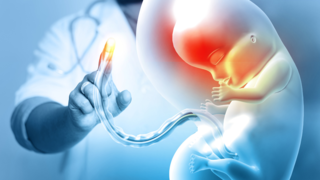
The temperature changes can occur occasionally due to infections or other health-related issues that should be addressed. Your medical team can:- Diagnose and treat infection without risking your pregnancy.
- Monitor embryo development in cases of a previous fever or illness.
- Demonstrate how to manage symptoms, such as severe fever and chills.
- Help you prevent complications through timely treatment.
Whether you’re pregnant, a new mom, or navigating postpartum, you don’t have to do it alone. Join our support group to connect, share, and support one another.
FAQs on Why Temperature Fluctuations Can Subtly Affect Early Embryo Development
- Can a mild fever harm my early pregnancy?
A short lapse of low-grade fever will not be normally harmful to your baby. Nevertheless, it is important to control the fever and consult your doctor in case it is long-lasting (more than a day) or very high. - Is it safe to use a heating pad or hot water bottle during early pregnancy?
Avoid direct heat in your abdomen. When a heating pad is used, place it at a low setting and do not apply it to other parts (such as your back). Check with your doctor always.