In this article:
Why Toddlers Whine
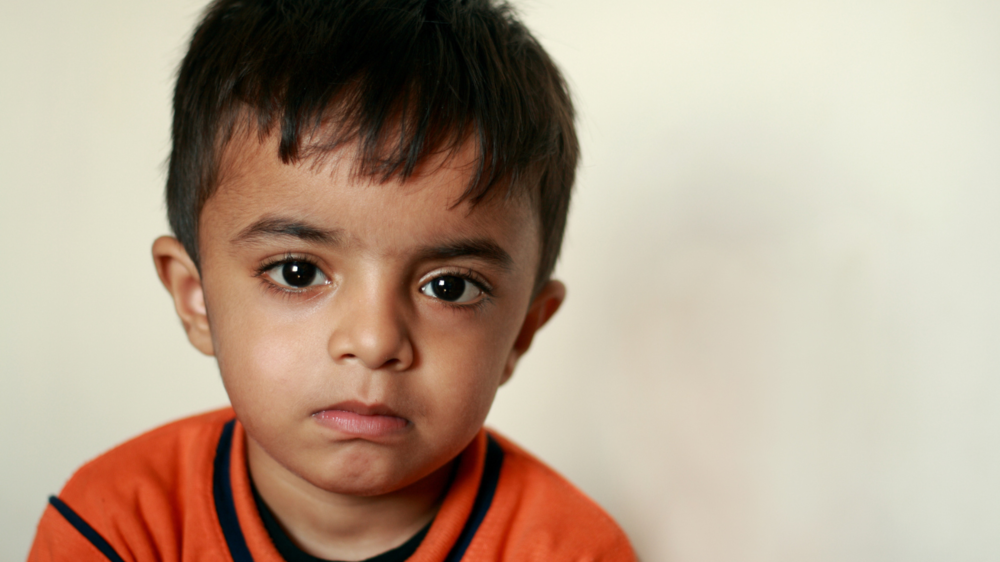
Toddlers are full of emotions, but they don’t always have the words to express them. When they feel frustrated, overwhelmed, or just want something, whining often becomes their way of saying, “Hey, I need you to hear me!”Whining is especially common between ages 2 and 4. At this stage, toddlers are testing boundaries and asserting their independence. When they’re told “no,” whining can be their way of pushing back.
Sometimes, whining works because it gets a reaction. If you’ve ever given in just to stop the noise, your toddler may have learned that whining is an effective shortcut. Other times, it’s their way of signalling basic needs like hunger, tiredness, or discomfort.
How to Respond Calmly When Your Toddler Whines
Handling toddler whining is mostly about staying calm and teaching your child better ways to communicate.It can be tough, but you can reduce it over time with consistent strategies:
Stay Calm and Don’t Overreact
When your toddler starts whining, it’s natural to want to snap or give in just to make it stop. But reacting emotionally can actually reinforce the behaviour. This is because toddlers crave any response, even a negative one.Instead, stay neutral. Take a deep breath, keep your face calm, and remind yourself it’s not personal. If your frustration is rising, step away for a moment to reset.
Set a Clear Rule About Whining
Pick a quiet moment when your toddler isn’t whining to have a gentle chat. Explain that you’ll respond best when they use their “normal” voice. You could say something like, “I love hearing your words, but I can’t understand you when you whine.”To make it easier for them to understand, you can record their whiny voice and their normal voice, then play both back. This turns it into a fun way to hear the difference without making them feel bad.
Teach Them How to Ask Nicely
Toddlers often don’t realise they’re whining or know how to say what they need in words. You can help by teaching simple phrases for their feelings, like “I’m hungry” or “I’m tired.” Practice these during calm moments so they have a model to follow.For example, if they whine for a toffee, gently tell them to say, “Can I have a toffee, please?” When they use their normal voice, thank them and respond positively. This shows them that speaking clearly gets better results than whining.
Praise Positive Behaviour
Toddlers respond really well to praise, so look for moments when they’re using their words or staying calm. Instead of pointing out the whining, focus on the times they get it right.Over time, they’ll learn that using their words works better than whining.
Anticipate and Prepare for Whining Triggers
Notice when your toddler tends to whine the most. Is it before meals when they’re hungry? After a short nap when they’re tired? Spotting these patterns helps you stay ahead.For example, if they usually start whining while picking vegetables from the market, remind them before you go: “We’re going to buy vegetables, and we’ll use our normal voice, okay?” Ask them to repeat it so they remember.
Redirect Their Attention
Toddlers get distracted easily, and you can use that to your advantage. Once you’ve acknowledged their feelings, gently shift their attention to something else. Offer a new toy, start a fun activity, or even move to a different room.Ignore Whining When Possible
If your toddler keeps whining even after you’ve set the rule and offered alternatives, ignoring the behaviour can actually work. First, explain calmly during a quiet moment that whining won’t get a response, so they’re not caught off guard.When they do whine, stay neutral and don’t react until they use their regular voice. This takes away the attention they’re looking for and shows that whining doesn’t get results.
Take Care of Yourself
Parenting a whiny toddler can be exhausting, so don’t forget to take care of your own emotions. Toddlers notice your stress, and it can make whining worse.Try simple ways to stay calm, like deep breathing or positive self-talk.
Toddler whining is a normal part of their growth. They’re learning to express themselves, test limits, and handle big emotions. The key is to praise their efforts and take care of yourself along the way!
Whether you’re pregnant, a new mom, or navigating postpartum, you don’t have to do it alone. Join our support group to connect, share, and support one another.
FAQs on Why Your Toddler Whines (and How to Respond Without Losing Patience)
- Is whining the same as tantrums?
No. Whining is usually a low-level, persistent way to get attention or express needs. Tantrums are more intense emotional outbursts with crying or yelling. - When should toddler whining be a concern?
Consult a healthcare professional if whining is constant, extreme, or linked to aggression, pain, or developmental issues.