In this article:
Why a Post-Pregnancy Ultrasound Matters for Your Recovery
After giving birth, your body goes through a lot of changes, and your uterus needs time to return to its pre-pregnancy size. Sometimes this process, called involution, doesn’t happen as smoothly as it should. A postpartum ultrasound can give you and your doctor a clear picture of what’s happening internally and help catch any issues. Here’s why it’s important:
- Check for retained placental fragments: Small pieces of placenta left behind can lead to heavier or longer bleeding. An ultrasound helps detect them so treatment can start quickly.
- Monitor uterine shrinking: The scan shows if your uterus is returning to its normal size or if shrinking is delayed, preventing complications later.
- Detect blood clots or fluid collections: Sometimes, clots or fluid build-up are not obvious from a routine check.
- Spot ovarian cysts or fibroids: Some conditions may have been hidden by your pregnant uterus or masked by normal postpartum discomfort.
- Identify fluid accumulation: Fluid in the pelvic or abdominal area can indicate underlying problems that need attention before they worsen.
- Examine the internal incision: For individuals who had a C-section, the ultrasound can check healing and detect internal bleeding or infection.
- Check for blocked milk ducts or mastitis: A breast ultrasound can find the cause of soreness or pain while breastfeeding.
Why Is Postpartum Ultrasound Important for Abdominal and Pelvic Muscle Recovery?
During pregnancy, your abdominal muscles stretch naturally to make room for your growing baby. Sometimes, the two sides of your rectus muscles separate, a condition called diastasis recti or divarication recti. If these muscles don’t come back together properly after birth, it can cause core weakness or make your pelvis feel unstable. An ultrasound can measure the exact gap between these muscles, giving healthcare professionals the information they need to design safe, targeted exercises and rehabilitation programs that a regular hands-on exam might miss.
Your pelvic floor muscles play a crucial role in supporting your bladder, bowel, and uterus. Real-time ultrasound allows physiotherapists to see these muscles in action as you contract and relax them. This live feedback shows exactly how well your muscles are working and whether they need retraining.
How Real-Time Ultrasound Supports Postpartum Rehabilitation
Real-time ultrasound lets you actually see your muscles moving on the screen while you practise contractions. This way, you can understand the difference between what you think you’re doing and what your muscles are actually doing. It makes your exercises more accurate and gives you confidence that your rehab is working.
This is especially important for core training. Before focusing on building strength, your core muscles need to activate properly to protect your body during movement. Seeing the muscles in action helps both you and your physiotherapist confirm correct activation, reducing the risk of injury and improving results.
The scan is also useful for other postpartum concerns, like painful scar tissue or bladder control issues, because it can pinpoint the exact area that needs attention.
When and How Is a Postpartum Ultrasound Done?
Most doctors suggest getting a postpartum ultrasound about four to six weeks after delivery, but the exact timing depends on your individual situation and any symptoms you might be experiencing. Many people wait until around six weeks and check in with their obstetrician before scheduling the scan.
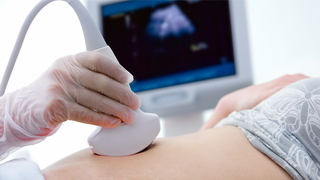
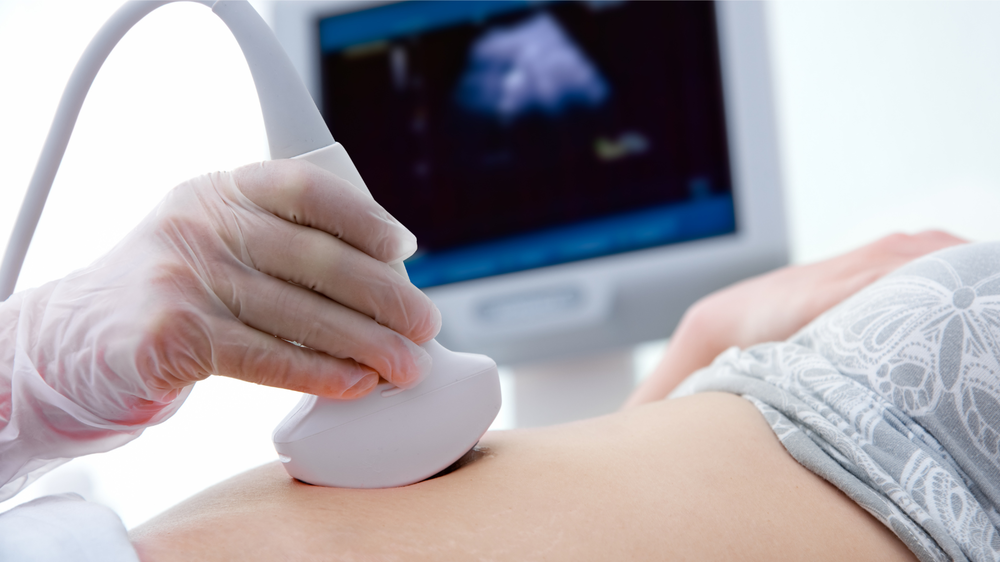
The procedure is safe, painless, and usually very quick. It can be done either abdominally or transvaginally, depending on which method gives the clearest view. If you’re having a real-time session with a physiotherapist to assess muscle movement, the appointment might last between 15 and 30 minutes.
During the scan, you’ll wear loose clothing. A gel is applied to your skin, and the probe is gently moved over the area while you may be asked to contract your muscles so the movement can be observed in real time. You’ll also see the images yourself, and everything will be explained clearly so you understand your progress and what the next steps are.
Scheduling a postpartum ultrasound is a small step that can make a big difference for your recovery. By prioritising this check, you’re taking an active role in your recovery and setting yourself up to feel stronger, healthier, and more confident as you enjoy time with your new baby!
Whether you’re pregnant, a new mom, or navigating postpartum, you don’t have to do it alone. Join our support group to connect, share, and support one another.
FAQs on How Post-Pregnancy Ultrasounds Help in Postpartum Recovery
- Is it safe to have an ultrasound soon after delivery?
Ultrasounds are non-invasive and considered safe at any stage postpartum, including immediately after delivery. This is because they use sound waves rather than radiation. - How often should post-pregnancy ultrasounds be repeated?
Frequency depends on your recovery and medical advice. Some women may only need one follow-up scan, while others with complications may require multiple scans over a few months.