In this article:
How Babies Learn About Their Feelings Right Away
Babies are born ready to make friends. Their brains can follow faces, know calming voices, and respond to soft touches. Even within hours of birth, babies prefer the sound of their mother’s voice because they heard it in the womb. They also respond to tone more than words, which means they sense calmness, stress, warmth, or frustration long before they understand language.
When parents hold, feed, or soothe their baby, the baby’s brain releases oxytocin. This hormone supports bonding, reduces stress, and strengthens the emotional wiring that helps babies learn to trust and feel secure. Though newborns cannot express emotions through words, their bodies respond deeply to the emotional environment around them.
The Role of Co-Regulation in Emotional Intelligence
Newborns cannot calm themselves. Their ability to manage their feelings depends entirely on the adults who care for them. This process, called co-regulation, helps the baby’s nervous system learn what calm and comfort feel like. When parents respond to cries, provide gentle contact, or speak softly, they are teaching emotional balance.
Over time, these small, repeated moments help infants learn that emotions rise and fall. They also know that someone will respond to them, which becomes the foundation of confidence and empathy later in life. A baby’s emotional intelligence begins with the trust they develop through consistent, caring responses from adults.
How Daily Interaction Shapes Emotional Learning
Babies communicate long before they speak—every cue they give invites emotional connection.
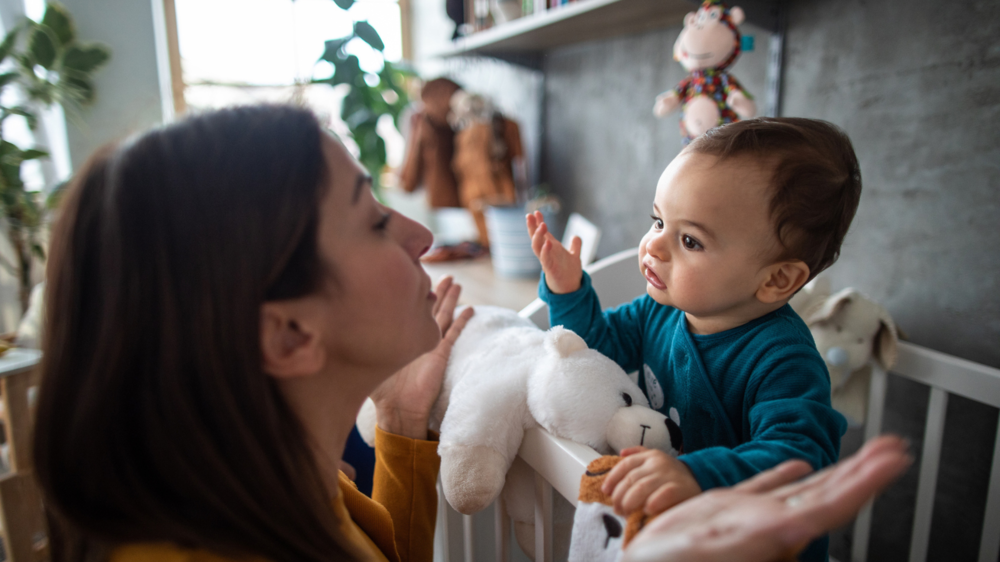
- Eye contact: When parents look their baby in the eyes while they are feeding or playing, the baby feels safe and recognised. Eye contact helps you understand your feelings and makes you feel closer to someone.
- Facial expressions: Babies learn to copy facial expressions over time. A smiling face makes people want to interact with you, and a calm face helps them feel better when they're upset.
- Tone of voice: Soft, steady tones help babies feel better when they're in pain. Babies can tell right away when the tone changes, which affects how they understand emotions.
- Touch: It is one of the best ways to help kids grow emotionally. Touching skin-to-skin, cuddling, and gently rocking can help regulate breathing, heart rate, and stress levels.
- Routine: Predictable feeding, sleeping, and bonding patterns help babies feel secure, which is vital for early emotional stability.
These small, daily interactions are powerful because they create an emotional map for future relationships.
Early signs of emotional awareness in infants include behaviours like turning toward a familiar face, calming when held, or smiling back at caregivers. Parents often wonder whether their baby can actually feel or understand emotions. The answer is yes, though in simple forms.
Parents often wonder whether their baby can actually feel or understand emotions. The answer is yes, though in simple forms.
Some early signs include:
- A baby calms when picked up or hears a familiar voice
- A newborn turning toward their mother’s or father’s face
- Fussiness reduces when held closely
- Early attempts to smile back by six to eight weeks
- Crying when overstimulated or startled
- Brightening up during playful interaction
These signs show that babies are building emotional awareness and learning how the world responds to their needs.
How Families Can Help Their Kids Build Emotional Intelligence from the Start
You don't need complicated methods to support emotional growth. It grows naturally when you are there, patient, and interact with it gently.
- Answer cries: Crying is a way to talk, not a way to control. Babies learn that their feelings matter when their parents always respond.
- Hug and hold them often: Cuddling makes babies feel more secure and helps them cope with stress.
- Talk to each other all day: When you feed, dress, or play with your child, speak slowly and softly. Babies learn about emotions by picking up on tone and rhythm.
- Give skin-to-skin time: This easy step lowers stress and builds trust, especially in the first few weeks.
- Play with your face: When you talk, smile softly, raise your eyebrows, or move your face around. Your baby's face shows them how to read emotions.
- Stay calm when things get rough: Babies copy how adults feel. Babies learn to calm down faster when their parents speak softly or breathe slowly.
- Share caregiving with your partner: When both parents or carers form emotional bonds, babies feel safer in a broader range of situations.
- Don't overdo it: Young babies can get overwhelmed by too much noise or activity. Calm places help keep your emotions in check.
These habits may seem small, but they can help you develop emotional skills that will last a lifetime. For a Long Time
Advantages of getting emotional support early
A baby who gets emotional support from birth will have those strengths as a child and even as an adult. Studies show that emotionally stable babies often grow up to be kids who: Make strong friends- Be kind and understanding
- Manage stress more effectively
- Learn better due to emotional stability
- Show greater confidence in new situations
Emotional intelligence is not a personality trait. It is a skill shaped by early experiences, when parents help their baby build a strong emotional foundation by providing warmth, attention, and consistency.
When to Get Help from a Professional
Every baby grows and changes in its own way. Some behaviours, on the other hand, may indicate the need for early help. If a baby:
- By three months, they rarely look you in the eye.
- Does not respond to voices or touch
- Appears unusually stiff or very floppy
- Does not show early social smiles by two months
- Has difficulty calming, even with comfort
Early support is helpful and never a reflection of parenting. It ensures every baby receives the emotional help they need.
Whether you’re pregnant, a new mom, or navigating postpartum, you don’t have to do it alone. Join our support group to connect, share, and support one another.
FAQs on Early Emotional Intelligence in Infants: Can We Begin from Day One?
- Can babies really tell how people feel?
Yes. From birth, babies respond to tone, touch, and facial expressions. They may not know what emotions are, but they feel the effects. - Does responding quickly to babies' cries make them clingy?
No. Consistent answers help babies feel more secure and become independent sooner. - Is too much stimulation bad?
Yes. Babies can get overwhelmed by loud noises or bright places. Play that is gentle works best.