In this article:
How Newborn Hearing Screening Actually Works?
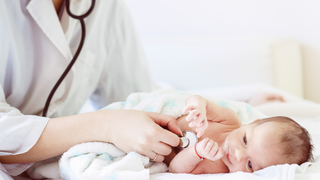
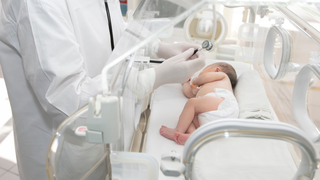
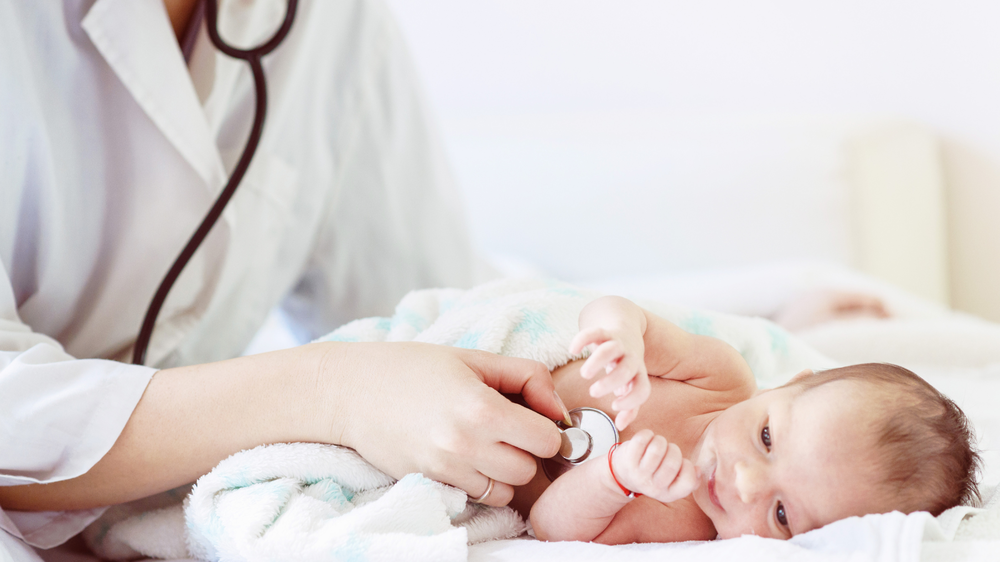
Most hospitals in India now recommend early hearing screening within 3 to 7 days after birth. The screening is done when the baby is asleep or resting quietly. It is safe, quick, and does not cause discomfort. Two main tests are commonly used.OAE Test
OAE stands for otoacoustic emissions. A small, soft probe is placed at your baby’s ear opening, which plays gentle clicking sounds and measures the ear’s natural response. If the inner ear is working well, it produces echoes that the probe detects. If no echoes are detected, further testing may be needed.ABR Test
ABR stands for auditory brainstem response. Small sensors are placed gently on the baby’s head while soft sounds are played through tiny earphones. These sensors track how the baby’s hearing nerve and brain respond to the sound. It helps detect deeper hearing issues that may not appear on the OAE test.Both tests are entirely safe. Babies usually sleep through them without noticing anything.
Why Early Hearing Screening Is So Important?
Hearing is one of the first senses that support a baby’s learning. From recognising a parent’s voice to forming early speech sounds, hearing plays a direct role in brain development. When a baby cannot hear clearly, the brain does not receive the stimulation it needs for language development. The earlier a hearing issue is found, the easier it is to support the baby with therapy, hearing aids, or medical care.Early screening matters for several reasons:
Early Speech Development
Babies start processing language long before they speak. Even newborns who coo and babble depend on hearing.More Growth In The Brain
Healthy hearing strengthens neural pathways, which helps babies learn faster as they get older.Treatment On Time
If a problem is found early, help can start in the first six months. It helps people speak, communicate, and think better.Hearing Loss That Is Not Heard
Most parents can't tell at home whether their child has mild or moderate hearing loss. Babies may seem awake or respond to vibrations instead of sound.Peace Of Mind
A simple screening offers reassurance and removes unnecessary worry.Hearing screening is not about finding faults. It is about giving babies the best start by ensuring they experience sound clearly and confidently.
What Happens if a Baby Does Not Pass the First Test
It is common for some babies not to pass the first screening. It does not mean they have permanent hearing loss. Fluid in the ear after birth, movement during the test, or a noisy environment can affect results. In such cases, doctors usually repeat the test after two weeks.A second test helps confirm whether the earlier result was due to temporary issues. If the baby still does not pass, a detailed evaluation by a paediatric audiologist is recommended. Early diagnosis allows treatment to begin at the right time.
Early Signs to Watch Out for
While hearing screening is the best way to find issues, parents should watch for early signs as their baby grows. Not responding to loud sounds or not recognising voices by one month can be early cues that need medical attention.Although hearing screening is the best way to detect issues, parents can watch for early cues as their baby grows.
By One Month
- Does not startle at loud sounds
- Does not recognise familiar voices
By Three Months
- Does not turn toward sounds
- Shows little response to talking or singing
By Six Months
- Does not babble or make varied sounds
- Does not respond to their name
By Nine To Twelve Months
- Does not imitate sounds
- Shows limited understanding of simple words
What Parents Can Do to Support Early Hearing and Communication?
You do not need special tools to support your baby’s hearing and emotional growth. Daily interactions are enough to build strong connections.- Talk often: Narrate your day, sing songs, and use soft, expressive tones.
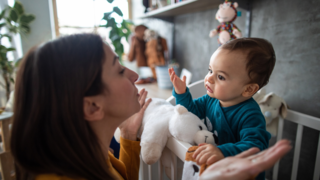
- Use face-to-face communication: Babies learn by watching your lips and face as you talk.
- Say it out loud: Simple stories or rhymes help kids learn how to use language.
- Keep loud noises to a minimum: Don't spend a lot of time around loud toys, music, or videos.
- Respond to cues: Respond when your baby coos or babbles. It makes communication stronger.
- Make sure to keep your follow-up appointments: Don't wait if your baby needs more tests.
When to Seek Specialist Support
Parents should meet a paediatric audiologist or ENT specialist if they notice:- Minimal response to sound
- Frequent ear infections
- Fluid or discharge from the ear
- Delayed speech milestones
- Unusual head movements as though trying to locate sound
Whether you’re pregnant, a new mom, or navigating postpartum, you don’t have to do it alone. Join our support group to connect, share, and support one another.
FAQs on How Newborn Hearing Screening Works and Why It Matters
- Can hearing loss be temporary?
Yes. Fluid or mild infections can affect early tests but often improve. - What if my hospital did not offer screening?
You can request it from a paediatric ENT clinic within the first month. - Does passing the test mean there is no risk later?
Passing the test means the hearing is normal at the time, but babies still require routine check-ups.