In this article:
Understanding What Makes Micro Preemies Different
A micro preemie is born extremely early, with organs still developing. Their lungs, digestive system, skin and immune system need extra time to mature. Even though your baby has reached a stable point where the NICU team feels safe to discharge them, they may still require special attention at home. The goal is not to keep a hospital-like environment but to support gentle growth and protect your baby from unnecessary stress.
Creating a Calm and Safe Home Environment
Since your baby has lived in a controlled, quiet NICU environment, emphasising the importance of keeping lights soft and reducing noise helps your micro preemie breathe more comfortably, sleep better, and stay relaxed, ensuring a smoother transition home.
- Keep lights soft and avoid harsh brightness
- Reduce loud sounds and sudden movements near your baby
- Maintain a clean and dust-free space
- Limit visitors to prevent overstimulation and infection
These options will make the transition easier for your micro preemie and make them feel safe.
Taking Care of Preemies' Temperature
Micro preemies can't control their body temperature as well as full-term babies can. It is essential for steady growth that they stay warm without overheating. A simple routine can help you do this without stress.
- Keep the room warm and draft-free
- Dress your baby in soft layers rather than heavy clothes
- Use light cotton caps if recommended
- Check your baby’s neck or chest for warmth instead of hands or feet
Temperature control prevents unnecessary energy loss and supports better weight gain.
Feeding Needs After NICU
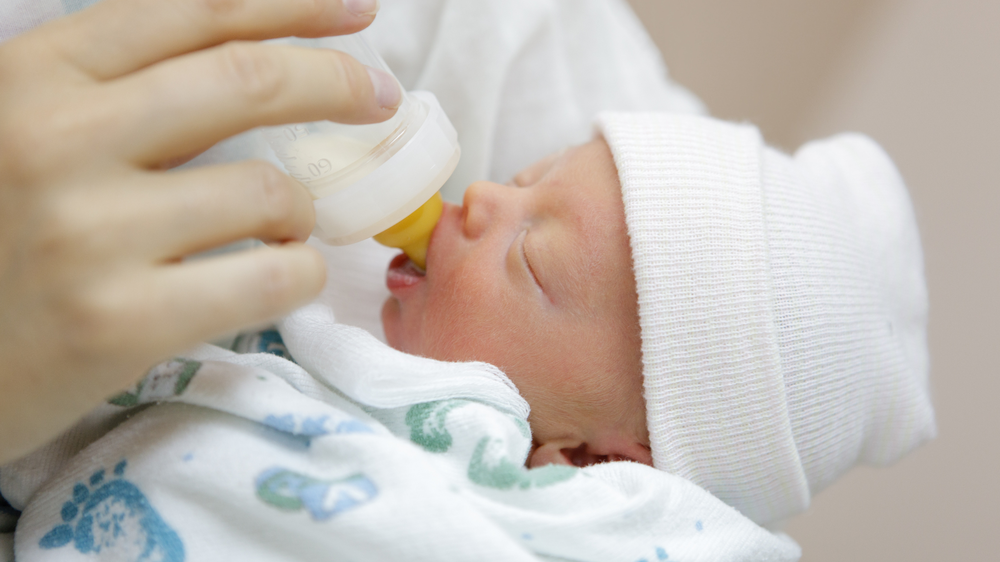
It can be different to feed a micro preemie than to feed a full-term baby. Your baby might still be learning how to coordinate their movements and swallow. When you leave the NICU, the staff will usually tell you how to feed your baby, but you may still feel unsure at first. Feeding your baby slowly makes it easier for them to breathe and digest.
- Unless told otherwise, follow feeding cues instead of strict schedules.
- Give small amounts slowly
- Keep your baby sitting up while you feed them and after.
- Burp gently and pause when your baby needs a break.
Many micro preemies take longer to feed and may tire easily. Patience and a slow pace help them finish comfortably and avoid reflux.
Monitoring Breathing and Comfortable Positioning
Your baby’s lungs are still developing. They may breathe faster or pause briefly. Learning what is normal for your baby can help you stay calm. Comfortable positioning supports breathing and reduces strain on the chest.
- Let your baby sleep on their back as advised for all infants
- Support the head and neck gently during feeds
- Hold your baby close to your chest for skin-to-skin contact
- Avoid sitting devices that bend the body forward
Skin-to-skin time, also known as kangaroo care, remains helpful even after NICU discharge. It increases oxygen levels, regulates temperature, improves bonding and supports stable breathing.
Infection Prevention in the Early Months
Micro preemies have a weaker immune system. Simple infections that may seem mild to adults can become serious for them. Protecting your baby during the first few months is essential.
- Wash your hands before touching your baby
- Avoid crowded places
- Keep your baby away from anyone with a cough, cold or fever
- Clean feeding equipment thoroughly
- Follow vaccination schedules without delay
These steps help keep your baby protected as their immune system grows stronger.
Understanding Your Baby’s Signals and Stress Cues
Micro preemies are more likely to show signs of stress because their nervous systems are still growing. Recognising these signs will help you respond quickly and feel better. Some signs of everyday stress are:
- Quick, irregular movements
- Hiccupping or yawning over and over
- A light or uneven colour
- Turning away from stimulation
When you see these signs, a short break will help your baby get back on track. Holding them close, dimming the lights or lowering noise levels can help regulate their sensory system.
Supporting Your Baby’s Development at Home
Your baby’s brain continues to grow rapidly after discharge. Gentle developmental support helps them explore the world safely.
- Once your doctor gives the okay, give your baby short periods of supervised tummy time.
- Instead of quick movements, use soft and slow interactions.
- Talk to your baby often, in a calm, warm voice.
- Start with simple touch-based games, such as stroking hands or feet.
Developmental care doesn't mean rushing through milestones. Instead, it helps your baby grow steadily, based on how ready they are.
Weight Gain and Growth Tracking
Micro preemies grow slowly and steadily over time. Your doctor will guide you on expected weight gain. Tracking your baby's progress regularly can help make sure they are doing well. You might see small changes, but the most important thing is that growth is increasing. Staying in touch with your paediatrician and trusting the pattern will help you feel better.
Parents' Emotional Health
Taking care of a micro preemie can make you feel good and evil. It's fun to see your baby grow, but always being on guard can be tiring. You need to be honest about how you feel. Getting help when you need it will help you stay strong for your baby. You can also rest and heal by sharing responsibilities with your partner or someone you trust.
When to Call Your Doctor
It is natural to feel more cautious when caring for a micro preemie. You should reach out to your doctor if you notice the following signs:
- Difficulty breathing or unusual pauses
- Very low feeding interest
- Persistent vomiting
- Fever or unusual sleepiness
- Fewer wet nappies than expected
Early guidance ensures your baby receives timely care and continues to grow safely.
Taking your micro preemie home is a big step filled with hope, excitement and understandable worry. Your baby has already shown strength during their NICU journey. At home, your gentle care supports steady breathing, safe feeding, peaceful sleep and emotional security. A calm environment, slow routines, and awareness of early cues help your baby continue to grow and develop. Over time, you will notice your confidence increasing as you learn your baby’s rhythms and unique needs. Your presence, warmth and attention form the strongest foundation for your micro preemie’s healthy future.
Whether you’re pregnant, a new mom, or navigating postpartum, you don’t have to do it alone. Join our support group to connect, share, and support one another.
FAQs on Micro-Preemie Care at Home: What Every Parent Should Know After NICU
- How do I know if my micro preemie is adjusting well at home?
Your baby should feed slowly but steadily, sleep peacefully, maintain warmth and show calm periods between feeds. Regular check-ups help confirm healthy progress. - Is it normal for micro preemies to breathe fast?
Yes. Many micro preemies breathe faster than full-term babies. However, if breathing appears strained or your baby seems uncomfortable, contact your doctor. - Can I take my micro preemie outside?
Short outdoor exposure may be allowed once your doctor confirms it is safe. Avoid crowded or dusty places to protect your baby’s immunity in the early months.