In this article:
How Laughing Gas Works in Labour
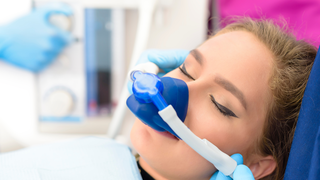
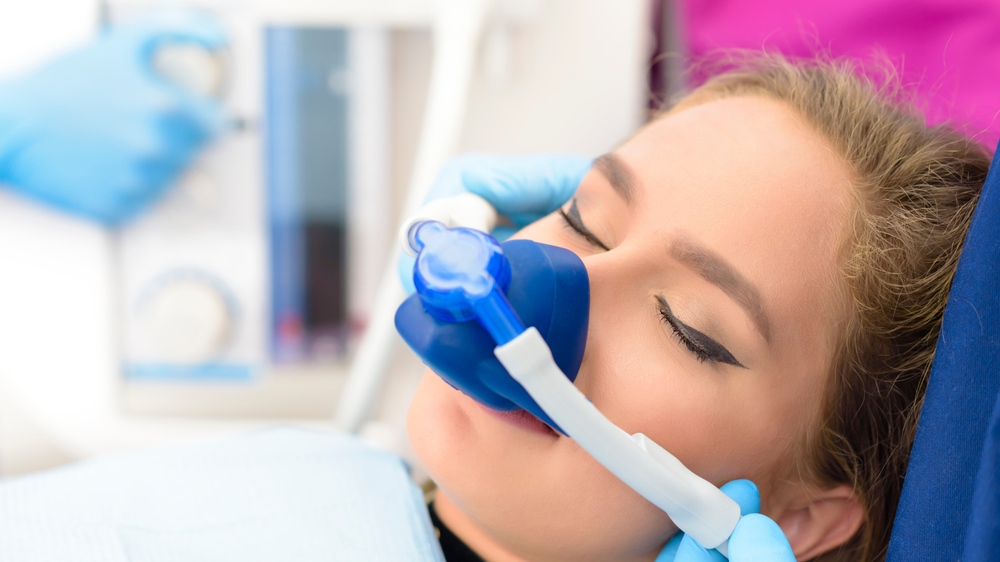
You get a 50-50 mix of nitrous oxide and oxygen through a mask or mouthpiece that you hold yourself. No one else controls it, so you’re fully in charge. This way, there’s no risk of overuse, and you can take it only when you feel the need. It starts working in less than a minute and leaves your system just as fast once you stop breathing it in. That means you can walk around, sit on a birthing ball, or change positions freely without feeling drowsy or out of control.It helps ease pain, calms your nerves, and gives a light, floaty feeling that some describe as euphoria. Unlike an epidural, which numbs your body from the waist down and can sometimes slow labour, this option keeps you active and connected to what’s happening. Staying relaxed can actually make contractions work better because your body isn’t tensed up fighting the pain.
Most women take deep breaths of the gas right when a contraction starts and time it so the effect peaks as the pain builds. And if you feel it’s not giving enough relief, you can stop anytime and switch to another pain relief method.
Is Using Laughing Gas for Labour Pain Safe for Mother and Baby?
Laughing gas does cross the placenta, but it doesn’t build up in your baby’s system. Once your baby starts breathing after birth, it clears out quickly. Serious side effects from using it are very rare. A few people might feel light-headed, briefly lose consciousness, or vomit.Most people can use laughing gas safely during labour. But it’s not advised if you have low blood pressure, a vitamin B12 deficiency, or gut conditions like Crohn’s disease or ulcerative colitis that affect gas handling. It’s always best to talk to your doctor first if any of these apply to you.
One Norwegian study found that if you already have low vitamin B12 levels, laughing gas might slightly increase the risk of B12 deficiency in newborns. That’s why getting your B12 checked before labour can be a good idea.
There’s no evidence that laughing gas affects how you push, slows down labour, or interferes with breastfeeding. You also don’t need a catheter or constant monitoring like with some other pain relief methods.
What are the Side Effects of Using Laughing Gas for Labour Pain?
Common side effects of nitrous oxide during labour include:- Nausea
- Headache
- Dizziness
- Drowsiness
- A detached or “floaty” feeling
- Claustrophobia from the mask (in some people)
- Noise discomfort from the system
- Vomiting
What are the Benefits of Using Laughing Gas for Labour Pain?
Take a look at some of the benefits of using nitrous oxide during labour:- Self-administered
- Starts working fast and wears off quickly when stopped
- Lets you stay mobile and does not affect breastfeeding
- Reduces anxiety while easing pain
- Offers pain relief similar to injectable opioids but with fewer side effects for both you and your baby
- Keeps you alert and strong for pushing
- Promotes calm breathing and lowers stress hormones
- Less invasive and cheaper than epidurals
What are the Drawbacks of Using Laughing Gas for Labour Pain?
Relief from laughing gas varies from person to person:- Pain relief is milder than epidurals.
- Requires repeated inhalation, which can be tiring during long labour.
- Some people feel too sedated or dislike using the mask.
- Should not be combined with opioids or sedatives, as it can increase drowsiness and affect breathing.
- Temporarily blocks an enzyme involved in amino acid use.
- Long-term impact is uncertain and may relate to vitamin B levels.
- Staff need proper ventilation or gas monitors, since much of the gas is exhaled unchanged.
- You must breathe out into the mask to help contain the gas and protect the staff.
Whether you’re pregnant, a new mom, or navigating postpartum, you don’t have to do it alone. Join our support group to connect, share, and support one another.
FAQs on Labour Pain Relief: Is Laughing Gas Right for You?
- Does laughing gas affect the baby’s breathing?
No, when used correctly, laughing gas does not affect the baby’s breathing or heart rate. - Will laughing gas make me feel sleepy or unresponsive during labour?
No, laughing gas does not cause unconsciousness. You stay awake and alert.