In this article:
While the mere thought of reverting to eco-friendly practices, especially raising children, may sound overwhelming, it is actually very easy to adapt. Small and consistent changes in daily life can make a big impact on your family and the planet.
Sustainable parenting isn’t about perfection; it’s about making intentional choices that are manageable, fun, and teach your children the value of caring for their environment from an early age.
Why Less Waste Matters in Early Childhood?
Toddlers grow up in the blink of an eye, which means buying and discarding things constantly. Diapers, toys, clothes, and toddlers outgrow most of them quickly. This can impact both the family and the environment.
Benefits of less waste from early childhood include:
- Saves money: Fewer disposable items and smarter purchases mean lower household costs.
- Reduces clutter: Buying fewer products means a tidier space. Minimal products make everyday life easier for both parents and children.
- Builds healthy habits: Toddlers learn early to value resources and make mindful choices.
- Instils good values: Small, eco-friendly actions teach children responsibility and respect for nature.
What are some everyday sustainable swaps?
Diapers, Wipes, and Bath Essentials
Disposable diapers and wipes are convenient, but they create significant landfill waste. Some sustainable options to consider include:
- Cloth diapers: They are reusable, gentle on the skin, and environmentally friendly.
- Biodegradable wipes: They are a kinder alternative to traditional wipes.
- Gentle bath products: Using refillable bottles or eco-friendly packaging reduces single-use plastics.
Mealtime Made Easier
Mealtime is another big source of waste. Try these tips to reduce mealtime wastage:
- Use reusable plates, cups, and cutlery instead of single-use items.
- Serve small portions first to reduce uneaten food.
- Save leftovers safely for another meal, turning yesterday’s dinner into today’s lunch.
- Involve your toddler in meal prep; it teaches mindfulness around food and waste.
What Are Some Smart Clothing Choices for Growing Toddlers?
Toddlers grow fast, which means clothes are quickly outgrown. Choosing a small, functional wardrobe helps reduce waste:
- Buy fewer, higher-quality items that last longer.
- Swap or borrow clothes from friends and family.
- Choose neutral colours for easier mixing and matching.
- Pass down items to siblings or friends when possible.
How to save on toys without overbuying?
Toddlers don’t need a lot of toys to learn and grow. You can reduce toy waste by:
- Toy rotation: Keep only a few toys out at a time; store the rest for later.
- Borrowing or swapping toys: Toy libraries and friends can provide variety without overbuying.
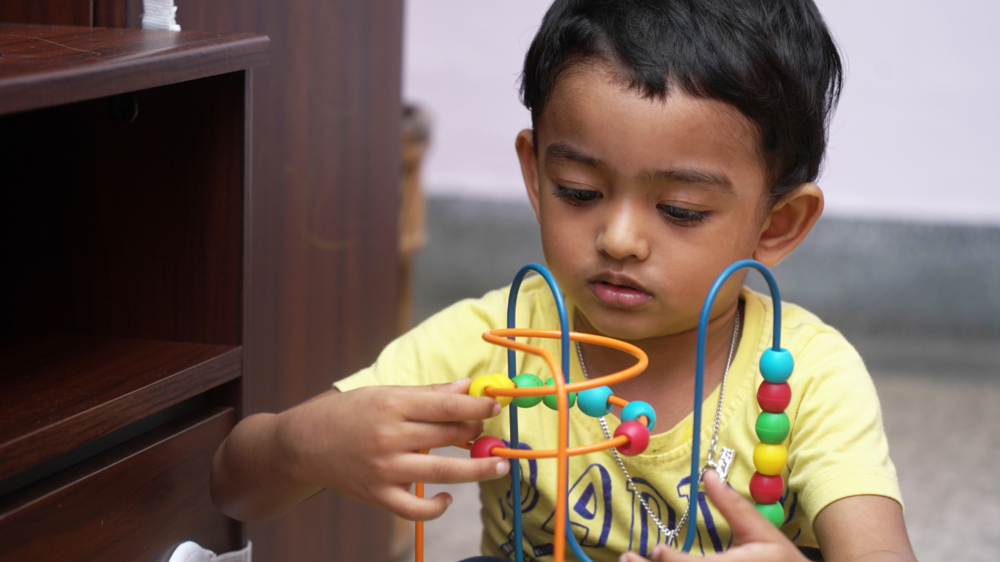
- Durable materials: Wooden or fabric toys last longer than plastic alternatives.
- Repair instead of replace: Encourage fixing broken toys rather than discarding them.
How can you reduce Toddler Food waste?
Toddlers’ appetites are unpredictable, so food waste by them is common. You can follow these simple and practical tips to reduce food waste by toddlers:
- Serve small portions and let your toddler ask for seconds if they’re still hungry.
- Save leftovers for later meals.
- Offer fruits and vegetables in multiple forms (e.g., cooked, raw, mashed) before discarding.
- Plan meals loosely but mindfully, using seasonal and local produce where possible.
How can you teach your toddlers about sustainability?
Toddlers learn the most by watching what is around them. They pick up habits that they see parents and teachers practising. If you want to teach your toddler sustainable living, start with small, simple, and engaging methods such as:
- Help your toddler sort toys and put waste in the right bins.
- Water plants or help care for a small garden.
- Encourage choices like using reusable items at home.
- Use storytelling or play to explain concepts like recycling or composting.
Parenting is a tough journey. Including sustainable living on this parenting plate may sound challenging, but it is actually easy. Small, consistent steps that fit naturally into your family’s routine can help you raise your toddler sustainably. Teaching your child the importance of eco-friendly living is important to safeguard their future. Whether it’s reusing more, wasting less, or teaching toddlers simple planet-friendly habits, each effort counts. So start small, but start today.
Whether you’re pregnant, a new mom, or navigating postpartum, you don’t have to do it alone. Join our support group to connect, share, and support one another.
FAQs on Simplify and Sustain: Raising Toddlers with Less Waste
- Can sustainable products be safe for sensitive skin?
Yes, many eco-friendly products are natural and made using materials that are hypoallergenic. Many products today are made keeping toddlers’ gentle skin in mind. However, if you are still unsure about what to use for your toddler, you can speak to a paediatrician. - What do I do with my toddler’s old toys?
You can pass your toddler’s old toys to someone else or put them up for sale. Giving the toys away is better than throwing them.