Feeling Anxious While Waiting for Test Results? Here’s What Can Help

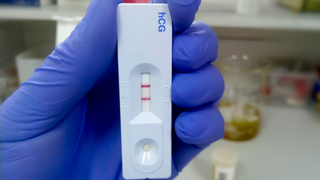
Waiting for a pregnancy test, medical result, or fertility outcome can trigger intense anxiety. The uncertainty, anticipation, and hope all collide into a stressful emotional experience. This article explores why anxiety occurs, how it affects your mind and body, and practical ways to cope during this challenging period.

Pregatips
feeling anxious while waiting to test
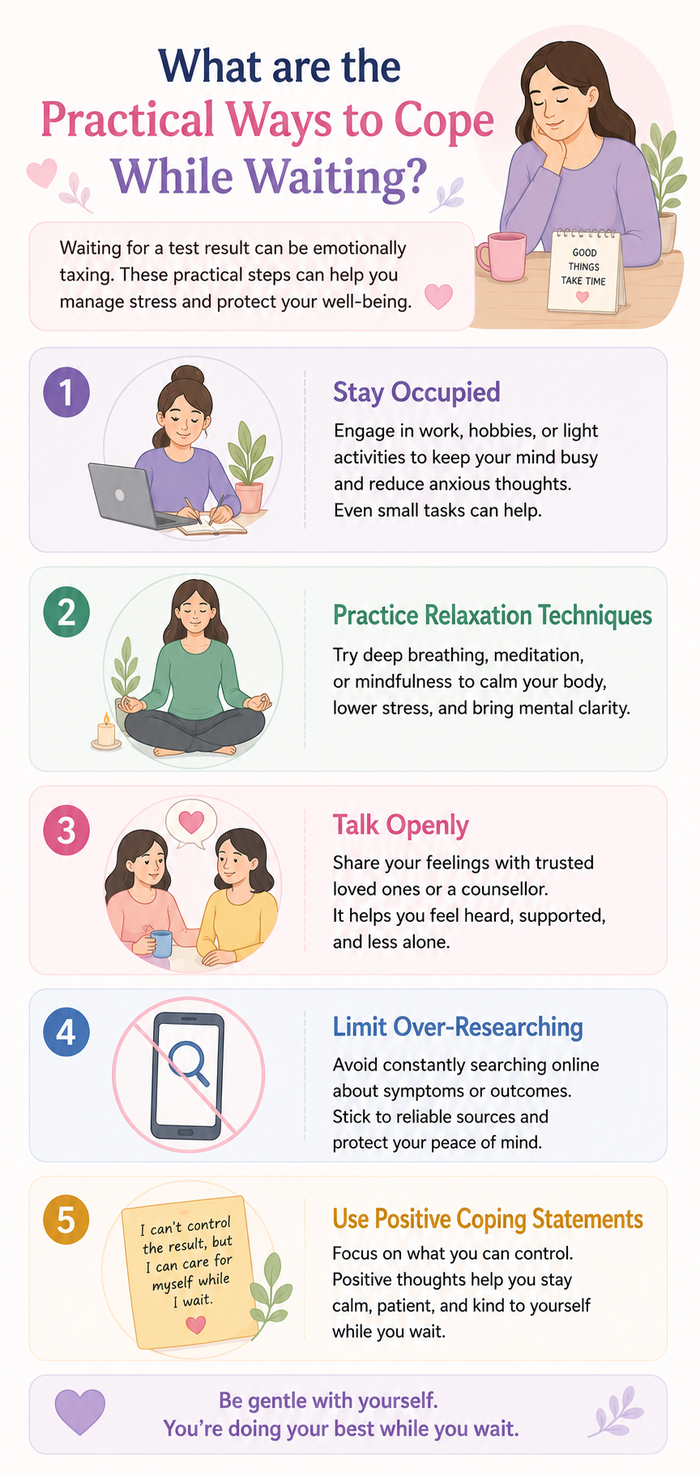
Waiting for a test result can feel like the longest time of your life. Many patients describe lying awake at night, replaying “what if” scenarios in their minds, and feeling a constant knot of worry in their stomach. This anxiety is real, common, and can affect your daily life.Why does waiting create such intense stress, and how can you manage it without letting it take over? When you are emotionally invested in an outcome, whether it’s a pregnancy test, fertility result, or any necessary medical test, uncertainty triggers both mental and physical tension. You may notice racing thoughts, irritability, or physical symptoms such as headaches and muscle tightness. Let’s discuss the shared experiences during the waiting period, how anxiety affects your body and mind, and the essential tips to cope with anxiety. Why Waiting Feels So StressfulWaiting for a test result triggers a strong physiological response. When the outcome is uncertain, the brain perceives it as a potential threat and releases stress hormones such as cortisol and adrenaline. These hormones heighten alertness, make thoughts race, and can cause physical symptoms like a fast heartbeat, tense muscles, or an upset stomach. Your body is preparing to react, even though the “threat” isn’t physical, which is why waiting can feel exhausting and overwhelming.Psychologically, waiting amplifies both hope and fear. Your mind constantly imagines the best-case scenario and braces for disappointment, creating an emotional tug-of-war. You may find yourself overthinking minor symptoms or replaying past experiences, which increases anxiety. Such a heightened emotional state is completely normal and reflects how invested you are in the outcome. What are the Common Experiences During the Waiting Period?During the waiting period, patients often notice that their minds and bodies react in ways that feel intense and, at times, overwhelming. These reactions are normal responses to uncertainty, reflecting the extent to which a person is emotionally invested in the outcome.Overthinking Every SymptomPatients frequently scrutinise every physical sensation, from mild cramping to changes in appetite or fatigue, interpreting them as potential signs. The mind naturally seeks patterns and meaning during uncertain times, but this constant analysis can heighten anxiety and make each day feel longer and more stressful.Hyper-vigilanceMany patients become highly alert to external cues, checking calendars obsessively, reading about early signs of pregnancy or medical results, and sometimes taking repeated tests. This hyper-vigilance is the body’s way of seeking control in an unpredictable situation, but it can intensify worry and reduce the ability to focus on other daily activities.Mood SwingsAnxiety during the waiting period often manifests as fluctuating emotions. Patients may experience irritability, sudden sadness, or bursts of frustration over minor issues. These mood swings are a regular part of the stress response and reflect the mental and emotional toll that prolonged uncertainty can take.Sleep DisruptionStress and heightened anticipation frequently interfere with the ability to relax and fall asleep. Patients may lie awake replaying scenarios in their minds or wake up multiple times during the night.What are the Practical Ways to Cope While Waiting?Waiting for a test result can be emotionally taxing, but taking proactive steps can help manage stress and maintain mental balance. Implementing practical coping strategies enables you to focus on your well-being as you navigate uncertainty.
ChatGPT Image May 25, 2026, 10_44_31 AM
Stay OccupiedEngaging in meaningful activities helps redirect your attention away from anxious thoughts. Focusing on work, hobbies, or light physical activities can occupy your mind and provide a sense of accomplishment. Even small tasks, such as organising your space or walking, can prevent rumination and reduce the intensity of anxious feelings.Practice Relaxation TechniquesRelaxation exercises actively calm the body and reduce the stress response. Techniques like deep breathing, meditation, or mindfulness help lower cortisol levels, slow the heart rate, and foster mental clarity. Regular practice trains the mind to respond to uncertainty with calm rather than tension, making the waiting period more manageable.Talk OpenlySharing your feelings with supportive friends, family, or a counsellor can provide emotional relief. Expressing fears and hopes allows you to process your thoughts, gain perspective, and feel less isolated. Furthermore, open communication fosters a support network that can offer encouragement and reassurance during a challenging time.Limit Over-ResearchingConstantly searching online about symptoms or outcomes can intensify anxiety and create unnecessary worry. Over-researching often leads to comparing your experiences with others or misinterpreting information. Setting boundaries for online reading helps you maintain focus on reliable sources and prevents stress from escalating.Use Positive Coping StatementsReinforcing constructive thoughts can shift your mindset from worry to self-care. Phrases such as “I cannot control the result, but I can care for myself while I wait” remind you to focus on actions within your control. Positive coping statements empower you to approach the waiting period with patience, calm, and self-compassion.When to Seek Professional Support?Sometimes anxiety becomes overwhelming or persistent. If stress affects sleep, appetite, daily functioning, or leads to panic attacks, consulting a mental health professional is recommended. Therapy, counselling, or guided mindfulness programs can provide structured support during the waiting period.Waiting for a test result can be one of the most emotionally intense experiences in life. Understanding why anxiety occurs, recognising its physical and psychological effects, and using coping strategies can help you navigate this period with resilience. You are not alone, and your feelings are valid. Supporting yourself emotionally while waiting is just as important as any medical preparation.You’re not alone in your journey when trying to conceive. Join our supportive community to connect with others, share experiences, and find encouragement every step of the way.

FAQs on Feeling Anxious While Waiting for Test Results? Here’s What Can Help

  1. Is it normal to feel anxious while waiting for a test?
    Yes. Anxiety is a natural response to uncertainty and shows how invested you are in the outcome.
  2. Can anxiety affect test results?
    No. Anxiety does not change medical outcomes, though it can make waiting feel more stressful.
  3. When should I seek help?
    If anxiety disrupts sleep, daily life, or leads to panic attacks, consult a mental health professional.

How we reviewed this article
Our team continuously monitors the health and wellness space to create relevant content for you. Every article is reviewed by medical experts to ensure accuracy.