In this article:
In reality, painful periods aren’t a reliable sign of strong fertility. Sometimes, severe pain can even point to issues that might make conceiving harder. Understanding what’s going on in your body can help you feel more in control.
What is Dysmenorrhea?
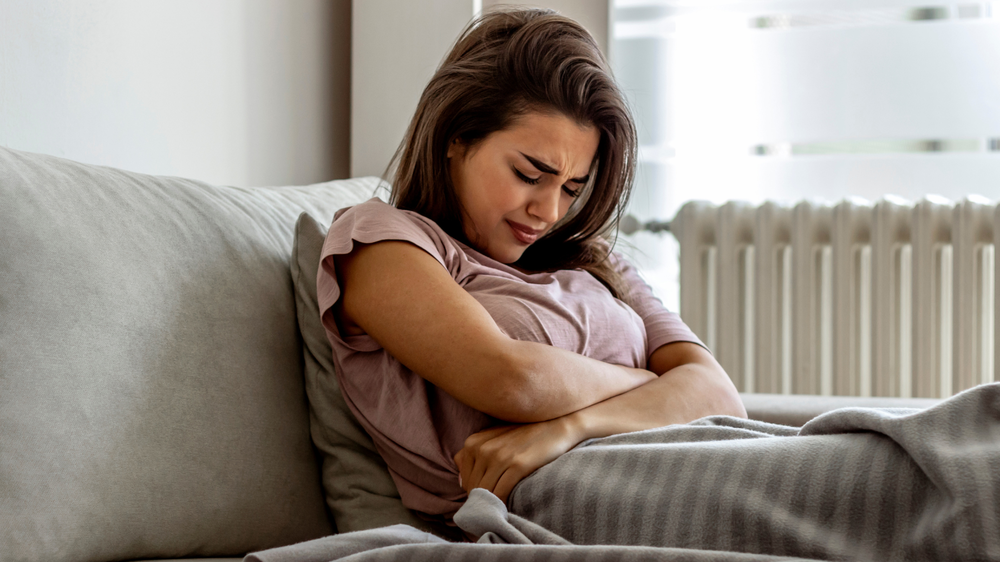
Menstrual pain, also called dysmenorrhea, is something many people experience during their periods. It usually feels like cramping in your lower abdomen and can come with other uncomfortable symptoms like nausea, headaches, dizziness, fatigue, or even a backache. For most, the pain is severest in the first couple of days of your cycle. While mild cramping is normal, intense pain that disrupts your daily routine is not something you have to just accept.
There are two main types of menstrual pain you should know about:
- Primary dysmenorrhea: This usually starts early, often soon after your periods begin in adolescence. It is caused by natural uterine contractions and is not linked to any underlying health problem. The pain is typically predictable and stays about the same over time.
- Secondary dysmenorrhea: This type develops later in life and tends to get worse gradually. It often lasts longer, sometimes even beyond your period days, and is linked to specific medical conditions.
What Causes Menstrual Pain?
The main trigger for period pain is prostaglandins. These are hormone-like substances your body releases to help the uterus contract and shed its lining. When prostaglandin levels are higher, the contractions become stronger, which can lead to more intense cramps.
Some other common causes of menstrual pain include:
- Uterus position: The way your uterus is positioned can make cramps more noticeable.
- Family history: If close female relatives experience severe period pain, you might be more prone to it too.
- Heavy menstrual bleeding: Heavier periods can make cramps worse.
- Pelvic infections: Infections in the pelvic area can increase discomfort during periods.
- Structural changes in the reproductive system: Conditions such as fibroids, endometriosis, or other changes can worsen menstrual pain.
Do Painful Periods Mean You Are Fertile?
Here’s the straightforward answer – no, painful periods do not mean you have better fertility. There is no scientific evidence linking the severity of your cramps to how easily you can conceive. Fertility depends on factors like:
- Egg quality: Healthy eggs are essential for conception.
- Ovarian reserve: The number of eggs your ovaries have over time.
- Fallopian tube health: Clear and functional tubes are necessary for the egg to meet the sperm.
- Uterine health: A receptive uterus is important for implantation.
- Partner’s sperm health: Fertility involves both partners.
In fact, the idea that severe cramps indicate a “strong uterus” ready for babies is a common myth. This misconception can sometimes lead women to ignore symptoms that might signal underlying issues. When pain is severe, frequent, or worsening, it may be due to conditions that could impact your ability to get pregnant, and it is worth consulting a healthcare professional.
Which Conditions Cause Severe Period Pain and Could Affect Fertility?
Sometimes, debilitating period pain is your body’s way of signalling an underlying issue. Certain conditions can cause intense cramps and may also affect fertility. Common ones include:
- Endometriosis: Tissue similar to the lining inside your uterus grows outside it, causing scarring, inflammation, heavy bleeding, and severe cramps. This can affect the ovaries, block the fallopian tubes, or interfere with egg release, making natural conception more challenging.
- Adenomyosis: The uterine lining grows into the muscle wall of the uterus, leading to longer, heavier, and more painful periods.
- Fibroids: Non-cancerous growths in or around the uterus that can cause heavy menstrual flow and significant pain.
- Pelvic inflammatory disease: An infection in reproductive organs such as the uterus, fallopian tubes, or ovaries, causing sharp pelvic pain.
When to Seek Medical Help
You should not ignore period pain that starts interfering with your daily life.
Key warning signs include:
- Pain that disrupts daily activities: Needing days off from work or school, or struggling to function normally.
- Sudden worsening of pain: Cramping that becomes more intense than usual.
- Heavier or irregular bleeding: Period flow that is heavier than normal or inconsistent cycles.
- Bleeding between periods: Any spotting or bleeding outside your regular cycle.
- Changes from your usual pattern: Any sudden difference in timing, duration, or intensity of pain.
To set the record straight, painful periods are not a sign of good fertility. Mild period discomfort is common and usually nothing to worry about. However, severe, worsening, or disruptive pain deserves attention.
You’re not alone in your journey when trying to conceive. Join our supportive community to connect with others, share experiences, and find encouragement every step of the way.
FAQs on Are Painful Periods A Sign of Good Fertility?
- Can medications for period pain affect fertility?
Most over-the-counter pain relievers do not affect fertility when used occasionally. Long-term or high-dose use should be discussed with your doctor. - Which lifestyle changes can help reduce period pain?
Regular exercise, a balanced diet, stress management, and adequate sleep can help ease menstrual cramps.