In this article:
Let’s discuss how long the egg lives after ovulation.
What Happens During Ovulation?
Ovulation begins when the brain and ovaries communicate via hormonal signals. Rising oestrogen levels during the first half of the cycle trigger a surge in luteinising hormone, which prompts one ovary to release a mature egg. Then, the ovary releases the egg into the fallopian tube, where it begins its journey toward the uterus. The process typically occurs around the middle of the menstrual cycle, though timing can vary based on cycle length, stress, health, and lifestyle factors.At the same time, the body actively prepares for possible fertilisation. The cervix produces fertile, slippery cervical mucus that helps sperm travel through the reproductive tract and survive longer. The uterine lining thickens and becomes rich in nutrients to support implantation if fertilisation occurs. These carefully timed changes create a short but powerful fertile window, giving sperm the best chance to meet the egg and begin pregnancy.
If fertilisation does not occur within this short window, the egg naturally breaks down, and the body reabsorbs it without causing symptoms.
As pregnancy does not happen, hormone levels gradually fall. The drop in oestrogen and progesterone signals the uterus to shed its lining. The process leads to menstruation and marks the end of the current cycle, allowing the body to prepare for the next ovulation.
How Long Does the Egg Live After Ovulation?
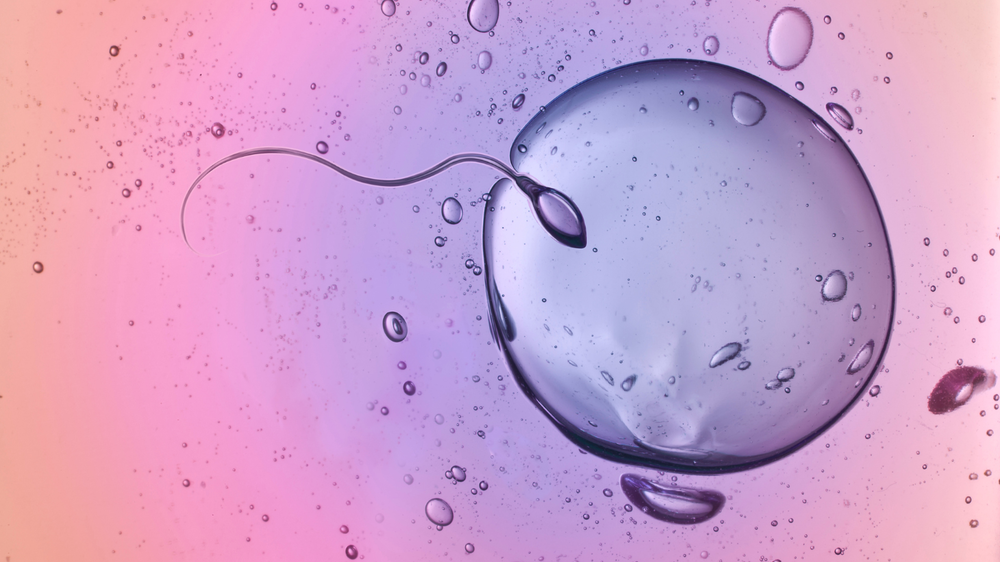
After ovulation, the egg typically survives for 12 to 24 hours. During this time, it remains capable of fertilisation if sperm are present in the fallopian tube. If fertilisation does not happen within this short window, the egg naturally breaks down, and the body absorbs it without causing noticeable symptoms.This limited lifespan explains why timing matters so much when trying to conceive. Even though ovulation happens only once per cycle, sperm can live inside the female reproductive tract for up to five days. This means pregnancy often occurs from intercourse before ovulation rather than after it.
What are the Factors That Can Affect Egg Lifespan?
Several internal and external factors influence how well the egg survives and supports fertilisation after ovulation. Here’s why fertility can vary from cycle to cycle.Hormonal balance
- Balanced levels of oestrogen and progesterone support healthy ovulation and create the right environment for the egg to function correctly. When hormones stay in sync, the egg releases at the right time and remains capable of fertilisation during its brief lifespan. Hormonal imbalances can delay ovulation or impair the egg’s response after release.
- Conditions that affect the ovaries, fallopian tubes, or uterus can influence how effectively the egg travels and functions after ovulation. Healthy reproductive organs allow the egg to move smoothly and increase the chance of meeting sperm within the fertile window.
- As age increases, egg quality may decline. While the egg still lives for the same short period after ovulation, lower quality can reduce the chance of successful fertilisation and healthy embryo development.
- The egg can only be fertilised during a narrow window, so the presence of healthy sperm at the right time matters greatly. Potent, well-timed sperm increase the likelihood of fertilisation before the egg naturally breaks down.
- Ongoing stress can disrupt the hormones that regulate ovulation. This disruption may shift ovulation timing or shorten the fertile window, making it harder for the egg and sperm to meet.
- A balanced diet and proper hydration support hormone regulation and overall reproductive health. Nutrients such as iron, folate, and healthy fats help the body maintain regular ovulation and improve the conditions needed for fertilisation. Consult your doctor before making changes to your diet or lifestyle.
What to Do Next?
- Track ovulation using apps, ovulation kits, or basal body temperature
- Focus on intercourse in the days leading up to ovulation
- Maintain a healthy lifestyle to support hormonal balance
- Manage stress to promote regular ovulation
- Seek medical advice if cycles are irregular or unpredictable
The egg lives for only 12 to 24 hours after ovulation, but this short window is crucial to fertility. Whether fertilisation occurs or not, the body follows a carefully timed process guided by hormones. Understanding the egg’s lifespan and your fertile window may help you feel more connected to your cycle and approach reproductive health with ease.
You’re not alone in your journey when trying to conceive. Join our supportive community to connect with others, share experiences, and find encouragement every step of the way.
FAQs on How Long Does the Egg Live After Ovulation?
- I had intercourse a few days before ovulation. Can that still lead to pregnancy?
Yes. Sperm can survive inside the reproductive tract for up to five days, so intercourse before ovulation can still result in fertilisation when the egg is released. - Can ovulation happen without me noticing any signs?
Yes. Some women do not experience clear signs such as cervical mucus changes or ovulation pain, yet ovulation can still occur normally. - If I ovulate later in my cycle, does the egg live longer?
No. The egg’s lifespan remains about 12 to 24 hours, regardless of when ovulation occurs.