In this article:
But before you try any, it is important to know what really works and what does not. Take a look at the common home-made tests, how people say they are done, and most importantly, why science says they cannot be trusted.
Why People Turn to Home-Made Pregnancy Tests
Many people choose these tests when they want privacy right away. Sometimes a clinic visit feels too far or too embarrassing, especially in places where talking about reproductive health is still not easy. Others simply cannot afford a proper kit or do not want anyone at the pharmacy to notice.
And honestly, a missed period, morning sickness, or sore breasts can make anyone anxious for an answer. These feelings are completely normal. Yet, the urge for a fast check should not lead to methods that give false hope or worry.
How Real Pregnancy Tests Actually Work
A proper pregnancy test looks for a hormone called human chorionic gonadotropin (hCG). Your body only starts making hCG after a fertilised egg attaches to the wall of your uterus, usually about 6 days after conception. This hormone shows up in both urine and blood.
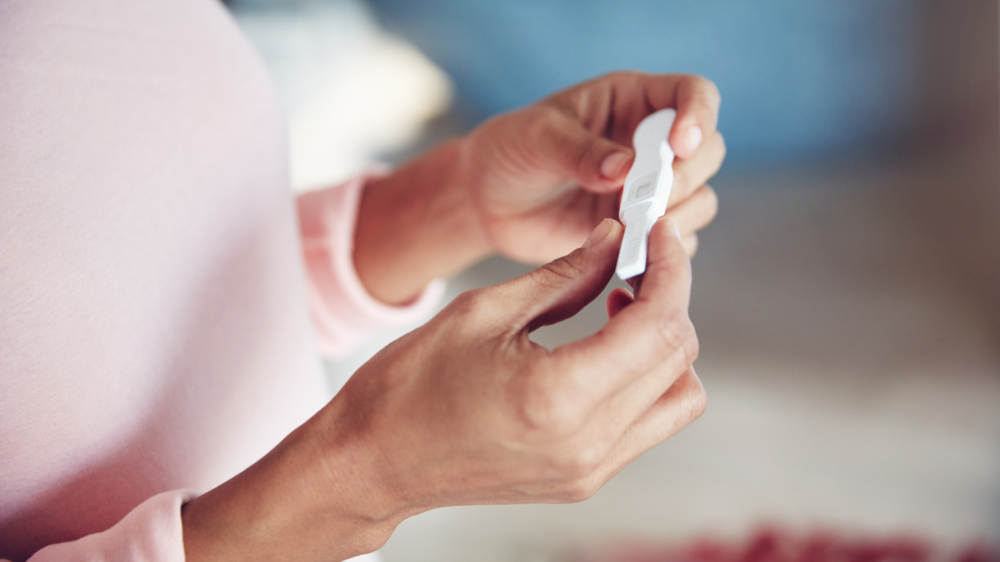
The over-the-counter kits you see at pharmacies are made to pick up even tiny amounts of hCG and they are almost 99 per cent accurate when you use them correctly. They give clear results with lines or words like pregnant or not pregnant. Blood tests at a clinic are even more sensitive and can detect hCG earlier.
Homemade methods, though, are a different story. They usually rely on vague reactions, and they have nothing to do with hCG. So they are not reliable.
Popular Home-Made Pregnancy Tests
Over the years, people have shared dozens of home methods for checking pregnancy. These are the ones mentioned most often, along with the steps followers suggest and what they look for in the results:
- Salt test: Add a pinch of salt to a clean glass with a few drops of your first morning urine. Wait 3 to 5 minutes. Clumps are supposed to mean positive; no change means negative.
- Sugar test: Put one tablespoon of sugar in a bowl and pour one tablespoon of morning urine over it. Clumps suggest pregnancy, while quick dissolving suggests not pregnant.
- Toothpaste test: Squeeze plain white toothpaste into a container and mix in a few drops of urine. Fizzing or a blue tint is seen as positive.
- Baking soda test: Mix two tablespoons of baking soda with an equal amount of urine. Bubbles or fizzing point to pregnancy.
- Vinegar test: Combine half a cup of morning urine with one cup of white vinegar. Bubbles or a colour change are taken as positive.
- Soap or shampoo test: Stir a small piece of soap or a soapy water-shampoo mix with urine. Froth or foam after 5 to 10 minutes is a positive sign.
- Bleach test: Pour half a cup of urine into half a cup of bleach. Foaming is meant to mean pregnant. But this one is dangerous. The fumes can harm your lungs and skin, so never try it.
- Pine-sol or similar cleaner: Mix equal parts of urine and the cleaner. A colour change is supposed to show pregnancy.
- Wheat and barley seeds: Urinate on the seeds daily for 10 days. Sprouting is taken as a positive sign. This method comes from ancient Egypt.
- Dandelion leaves: Place leaves in urine. Reddish-brown spots are claimed to indicate pregnancy.
- Mustard powder bath: Soak in a warm bath with mustard powder for twenty minutes. If your period does not start soon after, some say it confirms pregnancy.
- Oil drop: Drop oil into urine. If the droplets join together, it is seen as positive.
- Storage of urine: Leave morning urine in a sterile jar for hours. A white film on top is taken as a clue.
Why You Should Avoid Home-Made Pregnancy Tests
Not a single published study backs any of these home pregnancy tests. Medical experts make this very clear. The reactions you see, like fizzing, clumping, or colour changes, happen because of your urine’s natural acidity or pH, not because of hCG. Even if you are not pregnant, your urine can do the exact same things.
Take the toothpaste test, for example. Toothpaste already comes in different shades, so if it changes colour or looks blue, that does not prove anything. Bleach will foam with any urine because it reacts with ammonia, not because you are pregnant.
The problem with these tests is that they can give misleading results. A false positive might make you feel happy for a moment, but then crush you later when it turns out to be wrong. A false negative can make you worry less than you should and delay proper care or testing. Either way, the stress goes up, and that is the last thing anyone needs when they are already anxious about a possible pregnancy.
What to Do for a Reliable Pregnancy Test Result
The easiest way is to buy an over-the-counter pregnancy test kit from any chemist. Use it the day after your missed period and try to use your first morning urine for the best results. Follow the instructions on the packet exactly and make sure you wait the full time before reading the result. Most kits are almost 99 per cent accurate as long as they are not expired.
If you want extra certainty, you can repeat the test after a few days or ask your doctor for a blood test, which is even more accurate.
Home-made pregnancy tests can feel tempting when curiosity hits, but the truth is they are mostly old wives’ tales. They are unreliable and can give false positives or negatives, which may cause unnecessary stress or delay proper care.
Whether you’re pregnant, a new mom, or navigating postpartum, you don’t have to do it alone. Join our support group to connect, share, and support one another.
FAQs on Can Home-Made Pregnancy Tests Be Trusted?
- Can a home-made pregnancy test ever give the right result by chance?
Yes, but it’s purely coincidence. These tests don’t detect the pregnancy hormone hCG, so any “correct” result happens by random chance, not accuracy. - What if I got a positive result from a home-made test?
Take it as a reason to use a real test, not as confirmation. Only an approved urine or blood test can tell you with accuracy whether you’re pregnant or not.