In this article:
The Link Between Vitamin D and Egg Quality
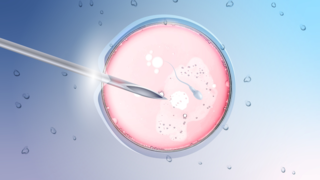
Healthy eggs are the foundation of successful conception. Studies show that women with adequate vitamin D levels tend to have better ovarian reserve and higher-quality eggs. It is because vitamin D receptors are present in the ovaries, where they play a crucial role in regulating follicle growth and egg maturation.
Low vitamin D levels can affect follicle development and egg maturation, reducing the chances of a viable fertilisation. It is one of the reasons doctors often recommend testing vitamin D levels before beginning IVF or other fertility treatments.
When vitamin D levels are optimal, eggs are more likely to be fertilised and develop into healthy embryos. In distinction, deprivation can lead to lower fertilisation rates, weaker embryos, or even implantation failure.
Vitamin D and Implantation Success
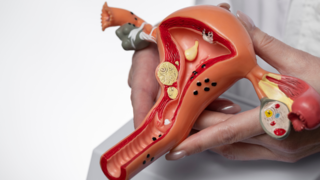
Beyond egg health, vitamin D also plays a significant role after fertilisation. For a pregnancy to begin, the embryo must successfully implant into the uterine lining. This process requires a balanced immune response — one that is sufficient to protect the embryo, but not so strong that it rejects it.
Vitamin D helps create this balance by modulating immune cells in the uterus. It supports the production of key molecules that make the uterine lining more receptive to implantation. In IVF treatments, research has shown that women with normal vitamin D levels often have higher implantation and pregnancy rates compared to those who are deficient.
Simply put, vitamin D helps prepare the uterus to welcome and nurture the embryo. It is like setting the perfect environment for a seed to take root and grow.
Why Vitamin D Deficiency Is Common
Despite India’s sunny climate, vitamin D deficiency is widespread due to limited sun exposure, air pollution, and cultural clothing that covers much of the skin. Office jobs, long working hours, and sunscreen use further reduce the body’s ability to synthesise vitamin D naturally.
Dietary sources alone often do not provide enough vitamin D, as few foods naturally contain it. It makes awareness and testing essential, especially for women planning pregnancy or undergoing fertility treatments.
Symptoms of Vitamin D Deficiency
Deficiency may not always show obvious signs, but some subtle symptoms can include:
- Fatigue or low energy
- Muscle or joint pain
- Frequent illness or weak immunity
- Mood swings or low mood
- Difficulty conceiving despite regular fertility tests
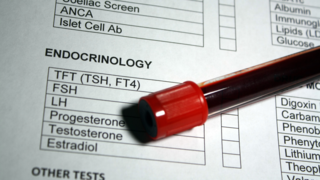
If you experience these symptoms while trying to conceive, a simple blood test can determine whether your vitamin D levels are within a healthy range.
How to Boost Vitamin D Naturally
- Spending 15 to 20 minutes outdoors during early morning sunlight, at least three times a week, can help maintain a healthy vitamin D level. Exposing the face, arms, and legs without sunscreen during this time encourages natural synthesis.
- Foods rich in vitamin D include fatty fish (such as salmon and mackerel), eggs, mushrooms, and fortified dairy products or plant-based milks. These foods give you extra support, especially when you can't get much sun.
- Doctors may recommend vitamin D3 supplements for individuals diagnosed with a vitamin D deficiency. Self-medicating is never a good idea because doses change based on blood levels. Always do what your doctor says.
- When combined with other essential nutrients, such as calcium, magnesium, and omega-3 fatty acids, vitamin D works most effectively. A balanced diet rich in these nutrients helps the body absorb and use vitamin D more effectively.
Vitamin D in IVF and Assisted Conception
For couples undergoing IVF, vitamin D levels are increasingly seen as a key marker of readiness. Clinics often check for deficiencies before starting the cycle because optimal levels can improve both egg quality and embryo implantation.
A study published in the Journal of Clinical Endocrinology and Metabolism found that women with sufficient vitamin D levels had significantly higher pregnancy rates during IVF compared to those with low levels. The reason is simple — vitamin D influences gene expression in both the egg and uterine cells, improving overall fertility outcomes.
Men also benefit from healthy vitamin D levels, as they support sperm motility and DNA integrity, both of which are crucial for successful fertilisation.
Relieve Your Concerns: Debunking Myths About Vitamin D and Fertility
Myth: If you eat well, you do not need vitamin D supplements
Most diets do not provide enough vitamin D, even with healthy eating. Sunlight and medical supplementation are often necessary to reach optimal levels.Myth: Vitamin D only matters during pregnancy
Vitamin D is just as important before conception. It influences the quality of the eggs and the health of the uterine lining, both of which are essential for successful implantation.
Myth: Taking too much vitamin D can boost fertility faster
Excessive supplementation can be harmful and lead to toxicity. Always consult your doctor before starting or changing your dosage.
When to Get Tested
Ideally, you should check your vitamin D levels before starting fertility treatment or when planning pregnancy. A level between 30 and 50 ng/mL is sufficient for reproductive health. If your levels are low, your doctor will suggest a safe supplementation plan to restore balance gradually.
Re-testing every few months helps ensure your levels remain steady, especially during fertility treatments when the body’s nutritional demands are higher.
Sunlight, nutrition, and guided medical support are the simplest yet most powerful ways to help your body prepare for a new life. In the end, fertility health is about balance — and sometimes, the right ray of sunshine can make all the difference.
You’re not alone in your journey when trying to conceive. Join our supportive community to connect with others, share experiences, and find encouragement every step of the way.
FAQs on The Role of Vitamin D in Egg Quality and Implantation
- Can low vitamin D cause infertility?
It can contribute to hormonal imbalance and poor egg quality, reducing the chances of conception. - How do I know if I am deficient in vitamin D?
A blood test is the only reliable way to measure levels. Symptoms such as fatigue and mood changes can also serve as indicators. - Can vitamin D improve IVF success?
Studies suggest that women with healthy vitamin D levels experience better IVF outcomes, likely due to improved egg and uterine health.