In this article:
What Happens to Your Hormones After Ovulation?
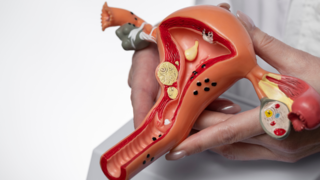
Your ovaries release a mature egg from a follicle around day 14 of your cycle in a process called ovulation. This empty follicle does not vanish after the egg is released. Instead, it develops into a small gland, called the corpus luteum, which produces hormones. It releases progesterone, which dominates the luteal phase of your cycle.
The levels rise quickly as estrogen levels drop after ovulation, and may increase from less than 1 ng/mL to over 10 ng/mL in a few days.
Why Does Progesterone Increase After Ovulation?
Progesterone prepares your uterus to receive a fertilised egg if conception occurs. It helps in the following ways:
- It makes your uterine lining (endometrium) thick to create a nutrient-rich space for a fertilised egg to implant
- It reduces contractions in your uterus to give your embryo a stable environment to grow
- If conception occurs, progesterone continues to rise to sustain the pregnancy. The placenta takes over hormone production around 10 to 12 weeks.
How Can You Feel the Rise in Progesterone?
You cannot directly feel the effects of hormones, but progesterone is an exception. You may notice some subtle changes in your body and mood.
- Slight increase in body temperature (by about 0.3–0.5°C)
- Feeling warmer or sleepier than usual
- Breast tenderness or fullness
- Bloating or mild water retention
- Calmer or more emotional mood
Can Low Progesterone Affect Fertility?
Your uterine lining may not be ready for implantation if the progesterone levels do not rise properly. You may find it harder to conceive in such cases or face the risk of early pregnancy loss.
Low progesterone can lead to the following conditions:
- Short luteal phase (less than 10 days)
- Spotting before your period
- Difficulty maintaining an early pregnancy
What Can Affect Progesterone Levels After Ovulation?
Your hormone balance also depends on your lifestyle and habits.
- Leading a stressful life can lead to high cortisol levels, which can interfere with progesterone production.
- A poor diet or a lack of healthy fats in the body makes it difficult to store healthy cholesterol. It is necessary to make hormones.
- Polycystic ovary syndrome (PCOS) can cause irregular ovulation.
- Low thyroid function also reduces your progesterone levels.
- Excess exercise or very low body fat can delay or stop ovulation.
What If You’re Undergoing Fertility Treatment?
Your doctor may prescribe progesterone supplements after the egg retrieval process or embryo transfer if you are under fertility treatments or undergoing IVF.
It is natural for your hormone levels to fluctuate during treatment, so the supplements support your uterine lining. The supplements are available as tablets, injections or vaginal gels to mimic your body’s natural response after ovulation.
What Should You Do Next?
The following guide can help you maintain healthy hormone levels:
- Track your cycle and the signs of ovulation, such as changes in cervical mucus or basal body temperature
- Eat foods rich in good fats, zinc, and vitamin B6
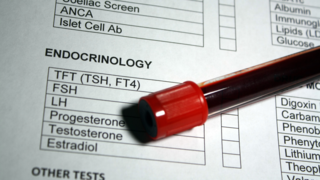
- If your cycles are irregular or short, get your progesterone levels checked
- Manage stress through yoga, sleep, or deep breathing
- See your gynaecologist if you notice persistent spotting or fertility issues
When Should You See a Doctor?
The following conditions necessitate consulting your doctor:
- Your cycles are shorter than 24 days or longer than 35 days
- You experience early miscarriages repeatedly
- You have severe PMS or mood swings after ovulation
- You feel anxious during the luteal phase
Emotional and Mental Health Aspect
Hormone levels affect your emotions as well, so you may feel more confused about how you feel after ovulation. You may feel sensitive towards things that usually don't matter. However, do not worry about it and take this sign as your body’s way of telling you to take it easy.Talk about your feelings when you are ready. A supportive partner can ease the stress for both of you. Remember that you are in this together.
The rise in progesterone levels after ovulation is a sign that your reproductive system is working as it should. This natural change prepares your uterus to support early pregnancy and may also affect your mood and energy levels in the process. You can have control of your health by learning to identify these changes.
You’re not alone in your journey when trying to conceive. Join our supportive community to connect with others, share experiences, and find encouragement every step of the way.
FAQs on Why Progesterone Levels Rise Right After Ovulation?
- How soon after ovulation does progesterone start to rise?
Progesterone levels rise 24 hours after ovulation occurs and peak 5 to 7 days later. Your uterus is ready for implantation by this time. - What happens if progesterone doesn’t rise after ovulation?
Low progesterone levels result from the poor functioning of the corpus luteum or problems during ovulation. These aspects can affect your menstrual cycle and fertility. - Can diet or lifestyle changes improve progesterone levels naturally?
Yes, they can influence your hormone levels positively if you follow a good routine. Try to replace processed foods with healthier options, increase your fluid intake, and avoid stressful situations or work.