In this article:
Understanding cervical cerclage clearly can help you feel more in control of your journey.
What is Cervical Cerclage?
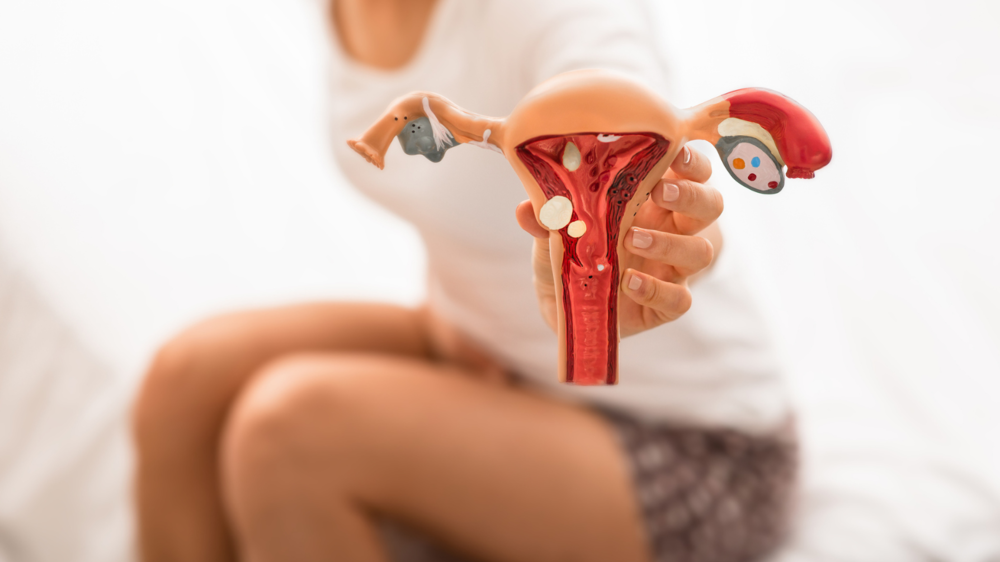
Cervical cerclage is a surgical procedure designed to help prevent premature birth or miscarriage by keeping your cervix closed during pregnancy. Your cervix, the lower part of your uterus that connects to the vagina, acts like a gate that holds your baby in place until it’s time for delivery. Your cervix may start to open too early if it is weak, increasing the risk of preterm labour or pregnancy loss.During a cerclage, your doctor stitches your cervix closed with strong sutures to provide extra support and help you carry your pregnancy to term. This procedure is usually performed in the second trimester to carry the pregnancy safely until around 37 weeks.
Why is Cervical Cerclage Needed?
These are the key reasons this procedure might be necessary:- Weak or incompetent cervix: This can result from previous surgeries like a loop electrosurgical excision procedure (LEEP) or cone biopsy, which may weaken the cervical tissue.
- History of miscarriage or preterm birth: If you’ve had second-trimester miscarriages or preterm deliveries due to cervical issues, a cerclage may help prevent recurrence.
- Cervical shortening: An ultrasound showing a cervical length of less than 25mm before 24 weeks of gestation indicates a higher risk of preterm birth. However, for women with a short cervix, progesterone support is sometimes used along with or as an alternative to cerclage.
- Uterine abnormalities or cervical damage: An abnormally shaped uterus or damage to the cervix, such as from abortion.
When is Cervical Cerclage Performed?
Timing is critical for a cervical cerclage to be successful:- Elective cerclage: Performed between 12 and 14 weeks of pregnancy, before the cervix begins to thin out (a process called cervical effacement).
- Emergency cerclage: An emergency cerclage may be done to prevent preterm birth if your cervix is already opening in the second trimester of pregnancy.
- Not beyond 24 weeks: After 24 weeks, the procedure is rarely performed due to the increased risk of rupturing the amniotic sac.
Preparing for Cervical Cerclage
Before the procedure, your doctor will take steps to make sure it’s safe for you and your baby. These may include:- Medical history review: Your doctor will discuss your past pregnancies, miscarriages, or cervical procedures to assess your risk.
- Transvaginal ultrasound: This checks your baby’s health and measures your cervical length to confirm the need for a cerclage.
- Blood tests or amniocentesis: These tests look for infections or chromosomal abnormalities in the amniotic fluid. If an infection is found, you may need antibiotics before the procedure.
- Fasting: You’ll need to avoid food and drink after midnight on the day of the procedure to reduce the risk of nausea or vomiting.
- Medication pause: Stop any medications as advised by your doctor.
- Avoid sexual activity: Refrain from intercourse for at least a week before the procedure to reduce irritation to the cervix.
The Cervical Cerclage Procedure
The cerclage procedure is performed on an outpatient basis, meaning you can go home the same day. It’s done under anaesthesia to keep you comfortable, and your doctor will choose one of three methods based on your condition:- McDonald cerclage: This is the most common method where stitches are placed around the outside of the cervix, close to the vaginal junction.
- Shirodkar cerclage: Involves an incision in the cervix and sutures passed through the cervical walls, placed further from the vaginal junction.
- Transabdominal cerclage: Used for very short cervixes or when transvaginal cerclage has failed. A mersilene tape is placed around the cervix through a small incision in your abdomen, and delivery is usually via caesarean section. This method may involve less postoperative pain and quicker recovery if done laparoscopically.
You’ll be given local, spinal, or general anaesthesia to ensure you feel no pain during the procedure. A speculum is used to access the cervix, and the stitches are carefully placed to secure it. The procedure itself is relatively quick, and you’ll be monitored for a few hours afterwards to check for signs of preterm labour.
Aftercare Following Cervical Cerclage
Proper care is important to support healing and a healthy pregnancy after the procedure:- Observation: You’ll stay in the hospital or clinic for a few hours (sometimes overnight) to ensure no complications arise. An ultrasound may be done to check your baby’s well-being.
- Medications: Your doctor may prescribe antibiotics to prevent infection and pain relief for any discomfort.
- Limit activity: Avoid strenuous activities, heavy lifting, or prolonged standing/sitting to allow the stitches to heal.
- No sexual intercourse: Refrain from intercourse for at least one to two weeks after the procedure, or as advised by your doctor.
- Follow-up appointments: Attend regular check-ups to monitor the stitches and watch for signs of preterm labour.
You may experience mild cramping, spotting, or increased vaginal discharge for a few days after the procedure, which is normal. However, contact your doctor immediately if you notice severe symptoms.
When to Contact Your Doctor
It’s important to monitor your health closely after a cerclage and seek medical help if you experience any of these symptoms:- High fever (over 100°F or 37.7°C) or chills.
- Heavy vaginal bleeding.
- Foul-smelling vaginal discharge.
- Regular contractions or lower abdominal/back pain.
- Leaking fluid or water, breaking.
- Persistent nausea or vomiting.
Removal of Cervical Cerclage
The cerclage is removed around 37 weeks of pregnancy, when you are considered full-term. This allows for a normal vaginal delivery, except in cases of transabdominal cerclage, which may require a caesarean section. If you go into preterm labour or your water breaks before 37 weeks, the stitches may be removed earlier. The removal process is quick, usually done in a doctor’s office without anaesthesia.Benefits of Cervical Cerclage
Cervical cerclage offers many advantages for individuals at risk of preterm birth:- Prevents preterm labour: It reduces the risk of premature delivery by keeping the cervix closed.
- Improves pregnancy outcomes: The McDonald cerclage can increase the chance of a full-term delivery for individuals with cervical insufficiency.
- High foetal survival rate: According to a study published in the Indian Journal of Obstetrics and Gynecology Research, emergency cervical cerclage was performed on 15 patients. The procedure resulted in a neonatal survival rate of 73 per cent.
Risks and Complications
Cervical cerclage is generally safe, but it carries some risks. Some of these complications your doctor might discuss with you include:- Infection: The cervix or amniotic sac may become infected (chorioamnionitis).
- Bleeding: Excessive vaginal bleeding may occur during or after the procedure.
- Cervical damage: The cervix may be injured during surgery, potentially leading to scarring or permanent narrowing (cervical stenosis).
- Preterm labour or membrane rupture: The procedure may trigger early labour or cause the amniotic sac to break before 37 weeks.
- Cervical tearing: The cervix may tear if labour begins with stitches in place.
- Need for caesarean section: Some cerclage types may require a caesarean delivery.
- Future cerclages: If you need a cerclage in one pregnancy, you may require it in future pregnancies.
Lifestyle Tips for Recovery
To support your recovery and cervical health after a cerclage, consider these tips:- Rest: Take it easy for at least 7 to 10 days and avoid physical strain to help the stitches heal.
- Follow medication plans: Take prescribed antibiotics or pain relief as directed to prevent infection and manage discomfort.
- Eat a balanced diet: Include nutrients like folic acid, calcium, and iron to support your pregnancy.
- Avoid smoking and alcohol: These can slow healing and increase the risk of complications.
- Attend all check-ups: Regular monitoring ensures your cervix and baby are doing well.
- Practice self-care: Gentle activities like warm baths or relaxation techniques can help you stay comfortable.
FAQs on Supporting Pregnancy with Cervical Cerclage Procedure
- What risks are associated with cervical cerclage?
Possible risks include infection, bleeding, premature labour, and cervical damage. - When is cervical cerclage usually performed?
It is done between 12 and 24 weeks of pregnancy depending on individual circumstances.