In this article:
Pregnancy and Ayurveda
A healthy pregnancy in Ayurveda depends on three doshas: Vata, Pitta, and Kapha. These doshas influence physiological and metabolic processes. Maintaining dosha balance is crucial for the mother's and the foetus's well-being.- Vata: The Vata dosha manages energy and the nervous system. It rules Apana Vata, which is responsible for elimination, reproduction, and childbirth. Grounding, warming foods, healthy fats, and sattvic meals can balance Vata and promote foetal development and uterine activity.
- Pitta: The Pitta Dosha is the energy of metabolism and heat, which rules digestion, absorption, and transformation. Pitta increases during pregnancy to support metabolic demands. However, an over spike in Pitta may lead to inflammation, acidity, heartburn, and risk of miscarriage.
- Kapha: Kapha is the energy of structure, lubrication, and stability. Kapha naturally increases during gestation to support tissue growth, cushioning, and immunity. It helps maintain amniotic fluid levels, nourishes foetal tissue, and strengthens the mother.
Ayurvedic Routine During Pregnancy
Ayurveda suggests lifestyle (vihara), diet (ahara), and herbs (oushadi) for each trimester to balance doshas and nourish the mother and foetus. Ayurvedic regimen during pregnancy is called garbhini paricharya. Dinacharya (ayurvedic lifestyle and routine) supports maternal health, foetal growth, balance doshas, and postpartum recovery.- Wake and sleep cycles: Wake up during Brahma Muhurta (4:30 to 6:00 AM) and sleep during Khapa (6 to 10 PM) to align with the circadian rhythm, conserve energy, and support regeneration.
- Gentle oil application before warm bath with warm sesame or coconut oil to support blood circulation and vata balance.
- Sattvic Food: Consume freshly made, warm, and digestive foods to support ojas. Avoid eating leftover, bitter, fermented and heavy foods as they may cause dosha imbalance.
- Physical Activity: Regular walking, prenatal yoga and stretching improve blood circulation and pelvic flexibility.
- Mental Health: Pranayama, meditation, and listening to calming music can help manage emotions, reduce anxiety, and boost the mother's and foetus's well-being. Stay away from negative emotions as they can disturb doshas and foetal health.
Ayurvedic Practices for Common Pregnancy Symptoms
Morning Sickness
Gharbini Chardi, or morning sickness, is the result of a dosha imbalance. Increased vata, kapha and reduced digestive fire can cause nausea and vomiting during pregnancy. Drinking rice water boiled with sugar and mild spices enhances digestion and stabilises digestive fire. Adding coconut milk and cardamom reduces burning sensation and improves digestion.Heartburn
Heightened Pitta and reduced agni can cause heartburn (amlaPitta). Hormonal changes during pregnancy slow down digestion, increase Pitta, acid reflux, discomfort, and bloating. Eating cooling, light, and easily digestible foods helps balance Pitta. Avoid spicy and oily foods.Constipation
Constipation in Ayurveda during pregnancy is known as Garbhini Vibandha. It often occurs due to hormonal changes, reduced physical activity, and dietary changes. Vata imbalance can lead to indigestion and toxin buildup. Small doses of triphala can ease and support bowel movements. Include warm and high-fibre foods, and a spoon of warm ghee on an empty stomach to provide lubrication and enhance digestion.Ayurvedic Diet Guidelines
Ayurveda keeps dosha balance as the centre to nurture the mother and support foetal development. Pregnant women are recommended to eat a sattvic diet as it is pure and nourishing. Sattvic food is all about the intake of fresh, wholesome, and digestible foods to enhance ojas (vitality and immunity) and maintain agni (digestive fire). Sattvic food generally does not encourage eating bitter, stale, fermented, and pungent foods during pregnancy as it may imbalance doshas.- Eat freshly made, seasonal, organic, and light foods.
- Avoid highly processed foods and leftovers to avoid toxic accumulation (ama).
- Incorporate whole grains, fresh fruits, mild spices, ghee, legumes, dairy, and nuts for calmness, clarity, and purity.
- Digestive spices, including cumin, coriander, and cardamom, enhance digestion and nutrient absorption.
- Drink herbal teas and warm water to increase digestion and circulation.
- Eat small, frequent meals instead of heavy ones for better digestion and stable blood sugar levels.
- Consume moderate amounts of milk, yoghurt, and ghee regularly for calcium, proteins, and healthy fats.
Ayurvedic Preparation for Labour and Delivery
Ayurvedic preparations, physical readiness, mental preparation, and a smooth childbirth begin from weeks 32 to 36 of pregnancy.- Eranda Taila: Mild enema normalises Apana Vata and stimulates uterine contractions.
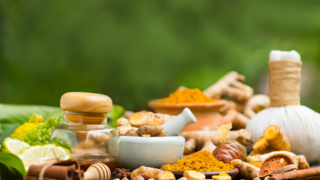
- Dashamoola: A Combination of ten herbs with anti-inflammatory and vata-balancing properties to support uterine health and musculoskeletal comfort.
- Meditation: Reduces anxiety and fear during childbirth, promotes relaxation and stabilises doshas for better pain management.
Ayurveda increases a mother's vitality by balancing dosha, supporting tissue growth, strengthening digestive health, and increasing immunity. Ayurvedic intervention during pregnancy incorporates abhyanga (oil massage), swedana (steam therapy), and yoga practices to boost blood circulation, reduce muscle discomfort, and enhance flexibility.
Whether you’re pregnant, a new mom, or navigating postpartum, you don’t have to do it alone. Join our support group to connect, share, and support one another.
FAQs on Ayurveda During Pregnancy: A Comprehensive Guide To Holistic Prenatal Care
- What not to eat during pregnancy according to Ayurveda?
According to Ayurveda, one should avoid foods that increase vata and Pitta doshas. Highly processed, dry, cold, heavy, leftover and raw foods, as well as spicy foods, should be avoided. - Which herbs are not safe during pregnancy?
Herbs, including alea vera, ashwagandha, liquorice root, senna, tulsi, neem, and fenugreek, can induce uterine contractions, risk of miscarriage, and impair foetal development during pregnancy.