In this article:
What Happens to Your Body in High-Heat Environments?
Being in a hot environment, such as a sauna or hot bath, increases your body's temperature. This rise in body temperature causes your heart rate to increase, your blood vessels to dilate, and your body to start sweating to maintain its temperature.However, high body temperatures may disrupt activities that require balance, such as hormone production, ovulation, and spermatogenesis (the process of producing sperm). While occasional sauna use may be safe, it's best not to overdo it, as frequent exposure to high temperatures can reduce fertility and may not be advisable when trying to conceive.
Heat Exposure and Male Fertility: What's the Link?
In males, fertility depends on maintaining the right body temperature. The fact that your testicles are outside your body is because they need a temperature somewhat lower than your body's core for sperm development. Frequent exposure to hot temperatures can upset the balance in several ways:- Reduced sperm count: Studies have shown that frequent use of hot tubs or saunas can lead to a temporary drop in sperm concentration.
- Lower motility: Heat can impair the ability of sperm to move efficiently, which is essential for fertilising an egg.
- DNA fragmentation: Prolonged exposure to heat has been linked to increased DNA damage in sperm cells, which can impact their quality and viability.
Female Fertility and Heat Exposure: Is There a Concern?
Internal reproductive organs are more insulated from external heat and are less affected by environmental heat. However, prolonged elevation of core body temperature may still pose theoretical concerns, especially in early pregnancy.Here's what to consider:
- Ovulation timing: High internal temperatures may interfere with luteinising hormone (LH) surges, potentially affecting ovulation cycles.
- Implantation sensitivity: While implantation itself is not proven to be highly heat-sensitive, maintaining a normal uterine environment is considered ideal during this critical window.
- Pregnancy caution: During early pregnancy, exposure to saunas or hot baths above 39°C (102.2°F) has been associated with an increased risk of neural tube defects in some studies.
What About Steam Rooms and Infrared Saunas?
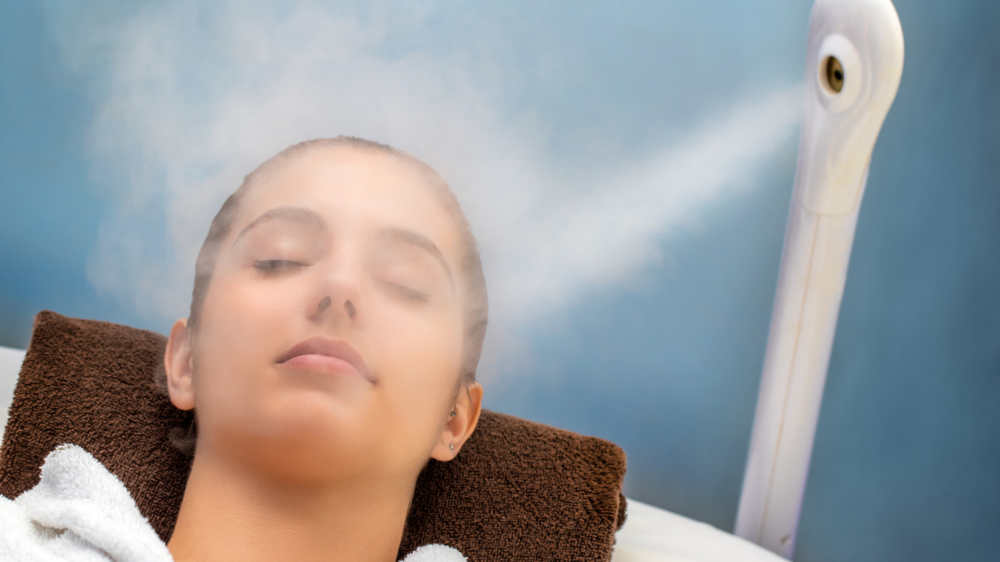
Although steam rooms seem gentler, they can reach the same core body temperature as dry saunas. Infrared saunas heat the body directly and may feel milder, but they can still raise tissue temperatures. However, their impact on core temperature is typically less dramatic than that of traditional saunas. The overall fertility risks depend more on the rise in core body temperature than on the type of heat source.How Long Is Too Long?
Having a hot soak or using a sauna from time to time shouldn't upset your plans for children. Most of the risk comes from the frequency and duration of the exposure. Here are the things you should watch for:- Limit sauna or steam room use to 15 minutes or less.
- Avoid water above 39°C (102.2°F)
- Skip daily hot tubs or back-to-back sessions.
- Allow your body at least 48 hours to recover between heat exposures.
Short, occasional exposures are unlikely to have lasting effects. But if you're regularly using these services, especially during conception efforts, moderation becomes crucial.
Safe Alternatives for Relaxation
You don't have to give up the relaxation rituals you love; consider modifying them:- Switch to warm (not hot) baths at a temperature of under 37°C for shorter durations.
- Opt for warm compresses for muscle relief instead of full-body heat.
- Practice mindfulness or meditation as stress-reducing alternatives.
- Try lukewarm foot soaks, which offer relaxation without impacting core temperature.
These methods can help you maintain wellness without compromising fertility-related goals.
Should You Stop Trying to Conceive Completely?
Not necessarily. Being attentive and having a good balance is the main thing. Even intense exercise that leads to elevated body temperature may warrant moderation when you're trying to conceive.Consider consulting a fertility specialist if you're concerned about heat exposure or other factors like poor sperm quality.
Loving a hot sauna or bath can lead to routines that may need adjustment while trying to conceive. Everyone can handle low amounts of heat, but for men, frequent and lengthy exposure to high heat may lower their chances of having children. Once you know how your body reacts to heat, you can choose a few changes that help reproductive health without compromising your health.
FAQs on Do Saunas, Steam Rooms, or Hot Baths Affect Fertility
- Can one sauna session lower fertility in men?
A single sauna session is unlikely to cause lasting fertility damage. However, repeated use, especially several times per week, may temporarily reduce sperm count and quality. If you're trying to conceive, it's safer to use saunas occasionally and for short durations. - Is it safe for women to take hot baths during ovulation?
Hot baths above 39°C (102.2°F) should be avoided during ovulation or early pregnancy. They may affect ovulation signals or the uterine environment. Opt for warm (not hot) baths at a temperature of under 37°C to stay on the safe side. - Do heat-related fertility effects reverse once exposure stops?
Yes, in most cases, fertility issues related to heat, particularly in men, are temporary. Sperm production usually returns to normal within 2–3 months after reducing or stopping heat exposure.