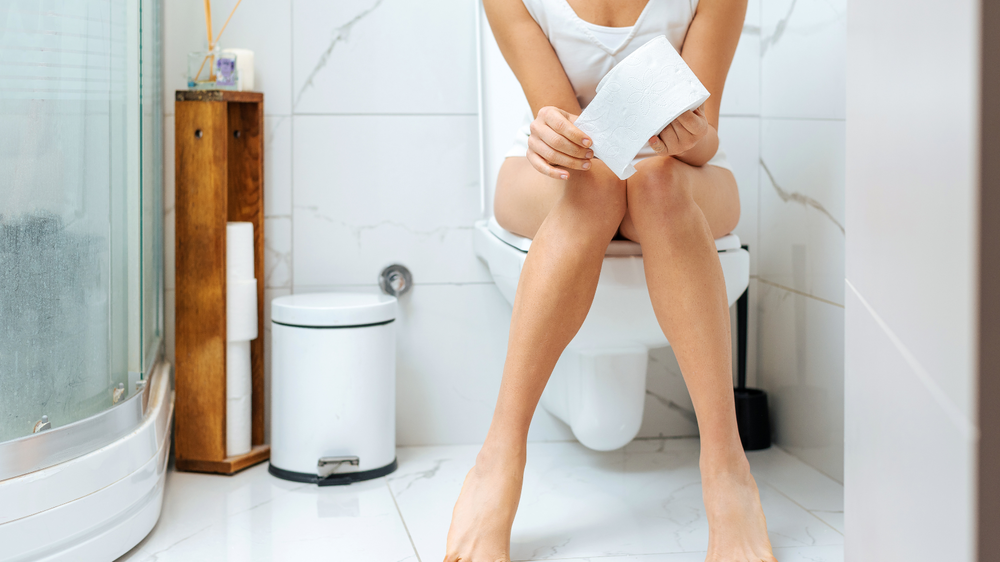
The good thing is that it doesn’t. Sperm move quickly once ejaculation happens, and using the washroom afterwards does not wash them out or stop them from travelling where they need to go. Knowing what does and doesn’t affect conception can take some pressure off you during this time.
In this article:
Why Do People Think Peeing After Intercourse Affects Pregnancy?
The idea may seem intuitive at first glance. If fluid leaves the body after intimacy, it might appear as though sperm could be washed away, too. This belief often leads to advice like staying in bed or avoiding the toilet for 15 to 20 minutes after intercourse. Over time, such well-meaning advice gets passed down through generations, creating anxiety around something that shouldn’t be a concern at all. In reality, the body’s reproductive and urinary systems function separately.Why Peeing After Intercourse Doesn’t Interfere With Sperm Movement
The body has two completely separate systems that work independently of each other. During intercourse, sperm enter through the vagina and begin moving toward the cervix almost immediately. At the same time, urine travels from the bladder through the urethra, an entirely different opening located just above the vaginal entrance.Here’s how the process works:
- Rapid sperm movement: The fastest sperm can reach the fallopian tubes within 1 to 2 minutes after ejaculation, long before any external activity could affect them.
- Different pathways: Urine exits through the urethra and does not come into contact with the vagina, where sperm are present.
- Cervical support: Once sperm enter the cervix, they are further protected by cervical mucus, which helps them continue their journey.
Why Do Doctors Recommend Peeing After Intercourse?
Healthcare professionals suggest this habit for a completely different reason, and it has nothing to do with fertility. The primary goal is to prevent urinary tract infections (UTIs). Sexual activity can introduce bacteria near the urethral opening, and if these bacteria travel upward, they may trigger an infection.This is how peeing after intercourse helps reduce that risk:
- Natural flushing: Urine helps eliminate bacteria, and its slightly acidic nature can reduce the growth of harmful microbes.
- Mechanical cleaning: The flow of urine physically clears bacteria from the urethra before they move deeper into the urinary tract.
- Effective timing: Going to the bathroom within about 15 minutes provides the best chance of flushing out any bacteria introduced during intercourse.
Does Staying Still After Intercourse Really Help Conception?
Advice like lying flat, lifting the hips, or even raising the legs against the wall after intercourse is incredibly common. Many share these tips with good intentions, but scientific evidence tells a different story.What research actually shows:
- No proven advantage: There is no measurable improvement in conception rates linked to staying still or elevating the hips after intercourse.
- Sperm are self-propelling: Sperm move independently and can reach the cervix within minutes, making gravity or body position irrelevant.
- Movement doesn’t harm chances: Getting up, walking around, or using the bathroom right away does not reduce the chances of pregnancy.
How Can You Pinpoint Your Most Fertile Days?
Rather than stressing about bathroom timing, focus on identifying your fertile window. This 6-day period includes 5 days before ovulation plus ovulation day itself. Having intercourse during these days gives you the best conception chances.Practical ways to track fertility:
- Ovulation predictor kits: These tests detect the surge in luteinising hormone that occurs 24 to 36 hours before ovulation, offering precise timing for those seeking accuracy.
- Cervical mucus observation: Changes in cervical mucus provide a natural indicator. During peak fertility, the mucus becomes clear, stretchy, and slippery, resembling raw egg whites.
- Basal body temperature tracking: A rise of about 0.5 to 1°F after ovulation helps confirm that the egg has been released.
- Fertility apps: These tools combine various tracking methods and help identify trends. Many users find them useful for monitoring cycle-related changes.
What Lifestyle Habits Actually Boost Conception Chances?
Simple daily choices create the best environment for conception.Nutrition for Fertility:
- Iron-rich foods: Spinach, lentils, dates, and other sources help maintain healthy blood levels.
- Healthy fats: Ghee, nuts, seeds, and avocados support hormone production.
- Antioxidant-rich fruits: Pomegranate, amla, and berries protect cells from oxidative stress.
- Whole grains: These foods provide steady energy and keep blood sugar stable.
- Moderate physical activity: About 30 minutes of walking or yoga most days of the week.
- Adequate sleep: A consistent 7 to 9 hours each night to support hormonal regulation.
- Stress management: Practices like meditation or pranayama to promote relaxation.
- Proper hydration: Drinking around 2 to 3 litres of water a day to stay hydrated.
You’re not alone in your journey when trying to conceive. Join our supportive community to connect with others, share experiences, and find encouragement every step of the way.
FAQs on Does Peeing After Intercourse Reduce Pregnancy Chances?
- When should someone seek medical help for conception?
Medical guidance is recommended after 12 months of trying under age 35, or after 6 months if over 35. - Which vitamins help improve the chances of pregnancy?
Folate, Vitamin D, and B-complex vitamins are among the most important vitamins for improving the chances of pregnancy.