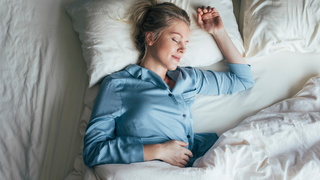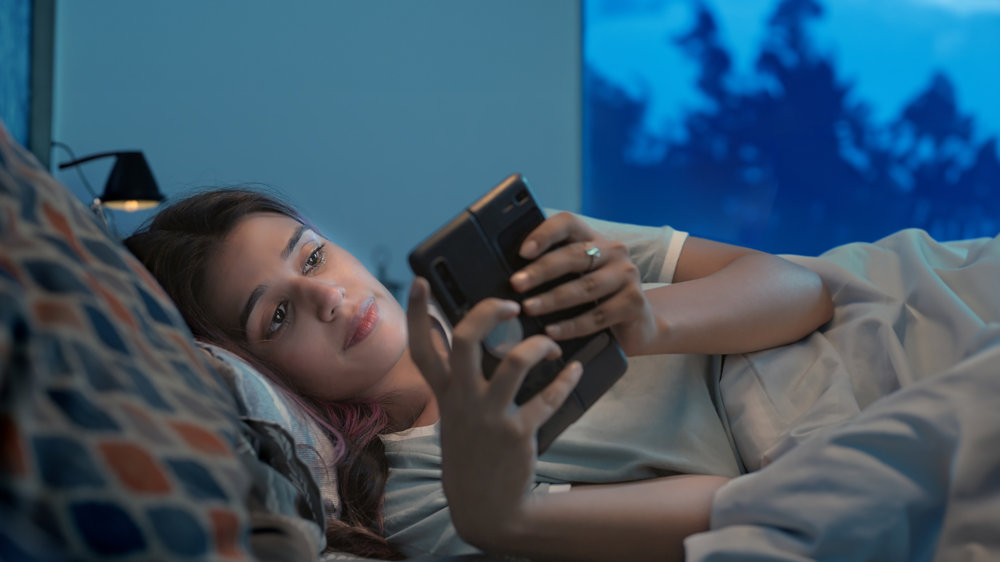
Because screen time overstimulates the brain, it can also make it tougher to fall asleep. Long after you stop using the device, your brain continues to function when you browse social media, watch intense videos, or respond to messages. Digital stimulation can easily disrupt your sleep cycle because your nervous system is already more sensitive during pregnancy. Lack of sleep can eventually lead to increased stress, fatigue, and irritability, making pregnancy appear more challenging than it actually is.
In this article:
How Screen Time Disrupts Melatonin During Pregnancy
Melatonin helps your body understand when it is time to rest. Screens emit bright blue light that signals your brain to stay awake, and this effect becomes stronger at night. Hormonal changes already disrupt melatonin levels during pregnancy, so more screen time can make it harder to fall asleep. It is how it impacts you:- Because artificial light sends conflicting signals to the brain, your body may take longer to feel sleepy.
- Your natural sleep rhythm may shift, leading to irregular sleep timing that leaves you feeling tired during the day.
- You may experience lighter sleep, leading to more frequent nighttime waking.
Does Evening Screen Use Affect Pregnancy-Related Fatigue?
Fatigue is common in pregnancy, especially in the first and third trimesters. Screens add another layer of exhaustion by keeping the brain stimulated when it should be winding down. Here’s the possible impacts:- You may experience increased morning tiredness because your brain has not fully rested at night.
- Your body may struggle to enter deep sleep cycles, which are essential for recovery during pregnancy.
- Your mood may feel more sensitive due to disrupted sleep patterns, making pregnancy discomfort feel heavier.
How Constant Phone Use Affects Mental Calm Before Bed
Your emotional state strongly influences sleep quality. Scrolling through social media or reading messages late at night can trigger emotional reactions that keep your mind alert. Effects on Your Emotional Well-being:- You may find it harder to relax because your thoughts remain active after reading or watching stimulating content.
- You may experience increased worry, especially if the content you see is related to pregnancy complications or negative stories.
- You may delay your bedtime unconsciously because screen-based activities often distract you from feeling tired.
Can Screens Increase Pregnancy Insomnia?
Screens can make pregnancy insomnia worse, which is a common condition. Your brain has difficulty switching from alertness to rest when it is overstimulated. It can interfere with your sleep in the following ways:- Mental quietness may be hampered by your mind's constant replaying of online conversations or content.
- Mental stimulation may keep your breathing and heart rates slightly elevated.
- Instead of calming down, your nervous system may remain active, causing your body to tense up.
Healthy Screen Habits to Improve Sleep During Pregnancy
Building a balanced relationship with screens can help you create a more restful daily routine. These small shifts support your body’s natural need for calmness before bedtime. Steps you can try:You can keep a fixed “digital sunset,” avoiding screens at least 1 hour before bed to help your body reset.
- You can lower the brightness of your devices throughout the evening to reduce light exposure.
- You can switch to soft activities such as reading a physical book, listening to calming audio, or practising relaxation exercises before bedtime.
- You can silence non-essential notifications that may disturb your evening routine or interrupt your sleep.
- You can keep your phone away from your pillow to avoid late-night scrolling or light interruptions.
How Daytime Screen Management Supports Nighttime Sleep
Controlling your screen time during the day also affects how well you sleep at night. Your natural sleep-wake cycle may be disturbed by excessive screen time, particularly in the late afternoon. Here are the benefits:- Your internal clock is strengthened when you give your body more natural exposure to daylight.
- By avoiding excessive mental stimulation during the day, you maintain a calmer mind at night.
- You reduce the likelihood of experiencing digital fatigue, which frequently causes headaches and agitation during pregnancy.
Using Screens Carefully Without Totally Eliminating Them
Every day life involves screens, especially if you work, communicate digitally, or use apps to track your pregnancy. Instead of doing away with screens, the objective is to use them intentionally. Here are a few valuable suggestions:- You don't have to constantly check your phone because you can set aside specific times to check your messages.
- To lessen eye strain and mental tiredness during extended workdays, you can take screen breaks.
- You can gradually replace screen-based entertainment with relaxing activities in the evenings.
- Instead of watching fast-paced or emotionally charged media in the evening, you can select relaxing content.
How a Partner Can Help You Manage Screen Habits
Sometimes it is easier to maintain healthier sleep habits when someone supports you. Your partner can play an essential role in helping you achieve better sleep routines. Here are some of the supportive ways partners can contribute:- Your partner can encourage you to wind down earlier by joining you in low-screen or screen-free evening activities.
- Your partner can help reduce distractions by keeping shared environments quiet and comfortable.
- Your partner can gently remind you to take breaks if you spend long hours on screens at work.
- Your partner can join you in creating a bedtime routine that prioritises rest instead of digital stimulation.
FAQs on Balancing Screen Time and Sleep During Pregnancy
- Do screens have a direct effect on sleep during pregnancy?
Indeed. Exposure to screens, particularly in the evening, increases mental stimulation and lowers melatonin levels, making it harder to fall asleep. - How long before bedtime should I stop using screens?
Bypassing screens at least one hour before bed can help your body settle into a calmer state and prepare for restful sleep - If I can't sleep at night, can I still use my phone?
When you're having trouble falling asleep, it's best to avoid screens, as their brightness can make it harder. As an alternative, gentle techniques like deep breathing or relaxing music may be beneficial.