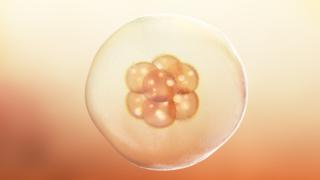
Many IVF pregnancies include more monitoring. Hormone support is common during the early weeks. Emotional reassurance is just as important as physical care.
In this article:
How Soon Is Pregnancy Confirmed After IVF?
In most IVF cycles, a blood test is done 12–14 days after embryo transfer. This measures beta-hCG levels, which ideally double every 48–72 hours in early pregnancy. A rising level supports a healthy start, but a single number cannot predict the entire outcome.- Beta-hCG usually ranges from 50–500 mIU/mL at 4 weeks.
- Doubling time is more important than the first value.
- Do not repeat home tests frequently, as variations can cause worry.
When Will the First Ultrasound Happen?
You can expect the first scan around 6–7 weeks. This scan checks the gestational sac, heartbeat, and whether the pregnancy is single or multiple, which is more common with IVF.The baby’s heartbeat is usually detectable from 6 weeks onwards. A repeat scan after 7–10 days is routine if the first is inconclusive. Around 2–12% of IVF pregnancies may involve twins.
What to do next:
- Note down scan dates.
- Ask what each scan is checking.
- Report pain or spotting without delay.
What Symptoms Are Normal in the First Trimester After IVF?
Symptoms are similar to those of other pregnancies, but hormone medications may make them feel stronger or earlier.Everyday experiences may include:
- Nausea and vomiting, especially between weeks 6 to 9
- Bloating due to progesterone
- Breast tenderness
- Mild cramping
- Light spotting
- Heavy bleeding (soaking a pad within an hour)
- Persistent vomiting leading to dehydration
- Severe one-sided pain (possible ectopic pregnancy)
Do You Still Need Hormone Support?
Progesterone support usually continues until 10–12 weeks, as the placenta takes over hormone production around the end of the first trimester. Stopping medication without medical advice can disrupt stability.Support may include injections, tablets, or vaginal forms. Side effects may include bloating or mild mood changes. Never reduce dosage without proper medical guidance.
How Should You Eat During the First Trimester?
Nutrition during IVF pregnancy is similar to any pregnancy, but appetite changes can be significant in the early weeks. Aim for:- Small, frequent meals every 2–3 hours
- 0.4 mg folic acid daily (as recommended before conception and through 12 weeks)
- 300 additional calories per day only after the first trimester
- Around 2–3 litres of clean water daily
- Raw or undercooked meat and eggs
- Unpasteurised dairy
- Street food with questionable hygiene
Is Exercise Safe After IVF Pregnancy?
Light activity is generally safe unless advised otherwise. Most specialists recommend avoiding high-impact workouts in the early weeks. Safe choices:- Walking for 20–30 minutes daily
- Prenatal breathing and stretching
- Avoid heavy lifting above 5–7 kg
- Intense abdominal workouts
- High-heat environments, such as hot yoga
- Dizziness
- Chest pain
- Vaginal bleeding
- Sudden shortness of breath
What About Sleep and Rest?
Fatigue peaks during weeks 8–11 due to rising progesterone. Rest supports hormone balance and emotional stability. Helpful steps:- Aim for 7–9 hours of sleep
- Maintain a regular sleep schedule
- Avoid caffeine late in the day
- Use side sleeping from the second trimester onwards
Why Are Emotions Stronger After IVF?
The journey may involve years of waiting, losses, or financial strain. Even a successful result may not erase anxiety. You may notice:- Fear of loss despite positive scans
- Difficulty feeling excited
- Mood swings due to hormones
- Counselling or therapy
- Support groups (online or local)
- Including a trusted companion during visits
- Limiting stressful conversations
- You have persistent sadness for more than two weeks
- You have thoughts of self-harm or hopelessness
Are There Higher Risks in the First Trimester After IVF?
Some risks are slightly higher, but most IVF pregnancies progress safely with monitoring.- Slightly higher chance of early bleeding
- Increased risk of ectopic pregnancy (2–5%) compared to natural conception
- Placenta-related complications are monitored closely later in pregnancy.
What Should You Avoid in the First Trimester?
- Smoking and alcohol
- Unprescribed medication
- Long-distance travel without consulting your doctor
- Exposure to infections
What Happens at the End of the First Trimester?
Around 12–13 weeks:- Hormone support usually stops
- A nuchal translucency scan is done between 11–13 weeks
- Blood tests assess chromosomal risks
- Morning sickness often reduces
The first trimester after IVF involves extra checkups, mixed feelings, and some special questions, but most things are similar to other pregnancies. With good food, rest, medical advice, and timely care, you can get through these early weeks more easily. It is normal to feel cautious, and you do not have to go through it alone.
IVF can feel overwhelming, but you’re not alone. Join our IVF support group, where stories, guidance, and strength are shared daily.
FAQs on What to Expect in the First Trimester After IVF
- Is spotting normal in the first trimester after IVF?
Light spotting can happen in early pregnancy and may be linked to implantation or cervical sensitivity. Monitor the flow and timing. Contact your doctor immediately if bleeding is heavy, accompanied by severe pain, dizziness, clotting, or soaking a pad within an hour. Never ignore sudden changes or persistent symptoms. - Can travel be done safely during the first trimester after IVF?
Short, smooth travel may be possible if your doctor approves and your symptoms are stable. Stay hydrated, take breaks every 1–2 hours, and avoid destination risks, such as high altitude or outbreaks of infection. Postpone long-distance trips if there is bleeding, severe nausea, or pregnancy complications. Always follow individual medical guidance.