In this article:
By understanding that, you can prevent yourself from having this dangerous disease and lead a healthy life.
What Is PCOD and Why Is It So Common Today?
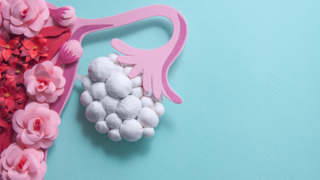
This condition has become so common in current times that 1 out of 5 individuals in India may have PCOD or PCOS (Polycystic Ovary Syndrome). Lifestyle matters a lot in these: what you eat, the kind of air you breathe, exercise, work, and stress. But along with these, genetic factors matter too. While examining symptoms, you can review your family history to assess the likelihood of the diagnosis. Of course, the doctor's consideration matters most.How Can Your Mother’s Hormones Affect You Before Birth?
You develop from your mother's hormones during pregnancy. If your mother's hormones are normal, your reproductive organs and system develop normally, as it creates the environment where hormones influence how your ovaries and metabolism work throughout your life. If it is imbalanced, then you will be at greater risk of PCOD in future.- High androgen levels during pregnancy: You will be at great risk of PCOD if your mother’s body had higher levels of androgen, a male hormone, during her pregnancy. It can make your body more responsive or sensitive to these hormones in future.
- Insulin resistance in mothers: If your mother had gestational diabetes or insulin resistance, then it may be passed down to you, putting you at great risk of PCOD.
- Stress hormones: High stress levels during pregnancy can influence foetal hormone exposure. This can slightly alter how your own hormonal system regulates itself as you grow.
Is PCOD Hereditary or Just Influenced by Family Lifestyle?
It’s both. You might inherit a genetic tendency toward PCOD, but whether it develops often depends on lifestyle triggers like diet, stress, and weight changes.If your mother or sister has PCOD, you’re more likely to experience it—but that doesn’t mean it’s unavoidable. Early awareness can help you make choices that lower your risk significantly.
Think of it like this: your genes load the gun, but lifestyle pulls the trigger.
What Are the Early Signs You Should Watch Out For
You may not realise you have PCOD until symptoms become more noticeable. Here are some early signs to keep in mind:- Irregular or missed periods.
- Sudden weight gain or difficulty losing weight.
- Acne or oily skin that doesn’t go away easily.
- Hair thinning on the scalp or excess hair growth on the face/body.
- Feeling tired or moody often.
Can You Prevent PCOD If It Runs in Your Family
Yes, even if your mother had a hormonal imbalance during pregnancy, you can manage and control it by maintaining a healthy lifestyle.- Keep your weight balanced: Weight directly affects insulin resistance, increasing it, which worsens PCOD.
- Eat mindfully: Eat healthy and nutritious food, avoid junk, excess sugar or outside food, and try to eat healthy and homemade food.
- Stay active: Don't let your body stay idle for the whole day, at least do half an hour of physical exercise, yoga or dance.
- Sleep well: Poor sleep influences the hormone negatively, so try to get enough sleep.
- Manage stress: High stress influences the hormone, worsening the PCOD symptoms, so you should manage stress prominently.
When Should You See a Doctor
You should go to see the doctor if:- Missing or irregular periods for more than 3 months.
- Difficulty in losing weight or gaining weight quickly.
- You experience excessive hair growth or acne that doesn’t respond to basic treatment.
- You’re planning a pregnancy and facing irregular cycles.
What To Do Next: A Simple Checklist
- Monitor your periods.
- Notice any physical changes.
- Stick to a healthy diet.
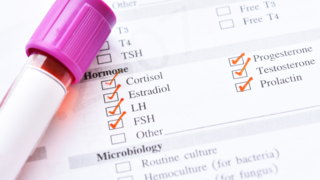
- Get hormone and sugar tests if you have a family history of PCOD.
- Don’t let mental health aside; it can be a sign too.
How Can Family Support Help You Manage PCOD
Living with hormonal issues can be emotionally tiring. Having your mother’s understanding and support can make a big difference. Talk openly about your symptoms or worries. You might be surprised to learn she went through something similar. Families can help by:- Eating healthy and home-cooked meals together
- Joining you for exercise
- Share responsibilities to manage stress
Your hormones can't stop you; they are just part of you. Manage and guide them toward balancing with care and support.
You’re not alone in your journey when trying to conceive. Join our supportive community to connect with others, share experiences, and find encouragement every step of the way.
FAQs on How Your Mother’s Hormone Health Can Influence Your PCOD Risk
- Does having PCOD in the family mean you will definitely inherit it?
You may be at higher risk, but it's not a compulsion that you will also have it. You should manage your diet and go for regular checkups to control or prevent it. - Is PCOD completely curable?
Your symptoms can decrease only with regular checkups, a healthy daily routine, managing stress and eating a balanced diet. PCOD isn't curable; you can just control it. - At what age should you be alert and start checking if PCOD runs in your family?
Start tracking your periods and menstrual cycle as soon as you enter your late teens. If you notice a gain in weight, persistent acne or irregular periods, immediately talk to the gynaecologist.