In this article:
What is PCOS, and Why Does Food Advice Feel So Confusing?
Polycystic Ovary Syndrome (PCOS) is a hormonal condition affecting around 8–13% of people of reproductive age in India, according to the Indian Council of Medical Research estimates. It involves irregular ovulation, higher androgen levels, insulin resistance, and metabolic changes. Symptoms may include irregular periods, acne, excess hair growth, weight gain, mood changes, and difficulty conceiving.Food advice can be confusing because PCOS is not the same for everyone. People experience it differently; some have more trouble with blood sugar, others with inflammation, and some with stress. As a result, strict food bans are often unnecessary.
Why are Gluten and Dairy Blamed for PCOS?
However, personal experiences do not equal medical evidence. Understanding the difference helps you protect both physical and emotional health. Gluten and dairy are found in many Indian foods, like rotis, dosas, curd, and paneer. They are often blamed for PCOS symptoms because:
- PCOS is linked with low-grade inflammation
- Many with PCOS have insulin resistance.
- Online stories suggest symptom relief after cutting out foods.
Gluten is a protein found in wheat, barley, and rye. The evidence shows:
- Gluten is harmful only for those with coeliac disease or gluten sensitivity.
- Coeliac disease affects about 1% of Indians.
- There is no substantial evidence that gluten worsens PCOS symptoms in the general PCOS population.
When Might Gluten Restriction Help?
Cutting back on gluten may help if you have symptoms like ongoing bloating, diarrhoea, unexplained anaemia, or a family history of coeliac disease. In these cases, get medical tests before removing gluten, as results may not be reliable after you stop eating it.
Taking out gluten without a real reason can lower your fibre intake by 20 to 30 percent, which can affect your gut health and blood sugar.
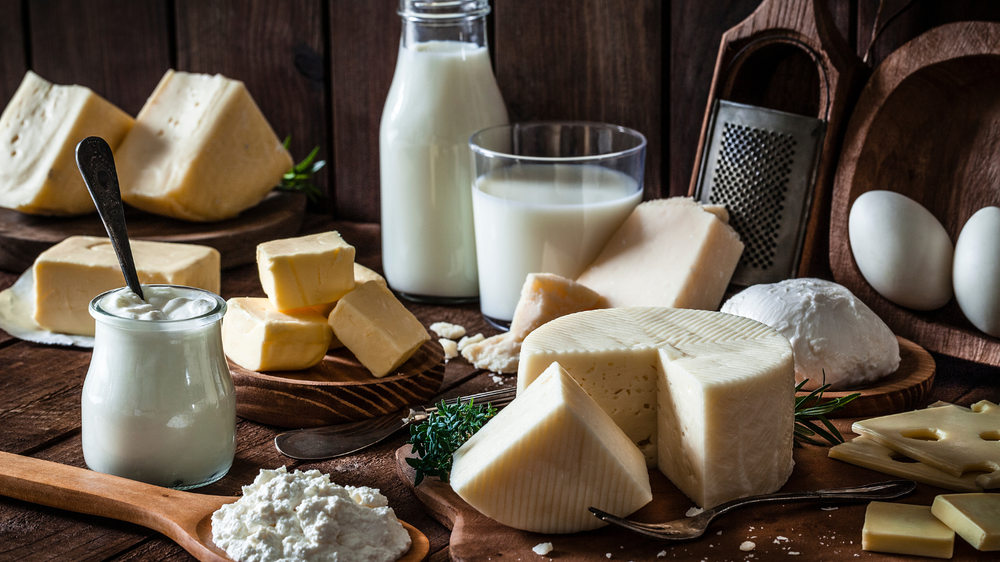
Does Dairy Worsen PCOS Hormones or Acne?
Some people worry about dairy because milk can slightly increase insulin-like growth factor-1 (IGF-1). But in real life, this effect is usually small. Extensive population studies show:- Overall, moderate dairy intake does not worsen PCOS.
- Fermented dairy products, such as curd, improve gut health.
- Acne links are inconsistent and usually dose-related
What Does Science Say About Insulin Resistance and Food Quality?
About half to two-thirds of people with PCOS have insulin resistance, no matter their body size. This is more important than just focusing on gluten or dairy. Foods that worsen insulin spikes contain processed flour, sugary drinks, sweets, and ultra-processed snacks. Foods that help include:- Whole grains like millets, oats, and hand-pounded rice
- Adequate protein (dal, pulses, eggs, curd)
- Fibre-rich vegetables (minimum 25–30 g fibre daily)
How Do Emotional Stress and Family Pressure Affect Food Choices?
PCOS often brings emotional stress, like worries about fertility, body image, and advice from relatives. Strict food rules can make anxiety worse and may lead to guilt or unhealthy eating habits.Support from your partner and family is important. Eating together, understanding cravings, and avoiding strict food rules can help lower stress hormones like cortisol, which affect ovulation and insulin sensitivity.
What About Exercise, Sleep, and Daily Routine?
Food works best alongside lifestyle support.- 150 minutes of moderate exercise weekly improves insulin sensitivity by up to 30%
- Strength training twice a week improves ovulation rates.
- Sleeping 7–9 hours supports hormonal repair.
- Late-night eating increases insulin spikes by 20–25%
Safety Tips and When to Contact a Doctor
Contact a doctor or dietitian if there is:Sudden weight loss or gain
- Missed periods for over 3 months
- Excess hair growth or severe acne worsening
- Fatigue, hair fall, or dizziness suggesting nutrient deficiency
- Plans for pregnancy with irregular cycles
What to Do Next: A Calm PCOS Checklist
- Focus on meal balance, not bans.
- Test before eliminating gluten or dairy
- Include protein at every meal.
- Move daily, even gently.
- Prioritise sleep and stress support.
- Involve family in lifestyle changes.
- Review progress with a doctor every 3–6 months.
You’re not alone in your journey when trying to conceive. Join our supportive community to connect with others, share experiences, and find encouragement every step of the way.
FAQs on Gluten, Dairy, and PCOS: Myths Broken and Evidence Explained
- Can removing gluten help with weight loss in PCOS?
Gluten removal alone does not cause weight loss in PCOS unless there is coeliac disease or intolerance. Weight changes usually occur due to reduced intake of refined foods or better meal structure. Long-term weight management comes from balanced meals, adequate protein, fibre, physical activity, and adequate sleep, rather than from eliminating a single ingredient. - Is dairy completely unsafe when trying to conceive with PCOS?
Dairy is not unsafe for people with PCOS who are trying to conceive. Eating moderate amounts of fermented dairy is usually safe and helps meet calcium and protein needs. Only people with proven intolerance or symptoms may need to make changes. Fertility depends more on insulin control, regular ovulation, and a balanced lifestyle.