These changes happen because your hormones naturally shift as you move toward perimenopause and eventually menopause. Stress, lifestyle, and reproductive changes also influence the way your hormones behave while navigating these years of your life.
Understanding what changes are normal and when you need to see your doctor during your 30s, 40s, and 50s is important. Taking the right steps at the right time helps you stay ahead of your health and feel in control during this phase.
In this article:
Hormones guide many of your everyday body functions. During midlife, the key hormones that change are Oestrogen, progesterone, testosterone, thyroid hormones, cortisol, and insulin.
These hormones affect many factors of your life, such as:
- Menstrual cycle
- Sleep
- Mood
- Metabolism
- Stress response
- Bone health
- Sexual health
- Energy levels
What are some hormonal changes in your Late 30s (Age 35-40)?
In your late 30s, one of the very first hormonal changes is a gradual decline in progesterone. Progesterone is the hormone that stabilises your cycle, supports sleep, and helps you feel calm. When the level of this hormone dips, you may notice PMS changes, irritability, anxiety, or sleep disturbances.You might also feel more sensitive to stress because cortisol regulation becomes less steady with age. Fatigue and fluctuations in your period can begin during this age. However, these changes are common and usually not a sign of disease.
Note: If you notice severely heavy bleeding, intense mood swings, or cycles shorter than 21 days, get it checked by a doctor.
What Are Some Hormonal Changes in Your Early to Mid-40s (Ages 40–45)?
This is the age group when perimenopause often starts. In this phase, oestrogen levels start to fluctuate between high and low. These constantly shifting oestrogen levels show symptoms like cycle changes, breast tenderness, irritability, and sleep issues.You may also start noticing changes in your periods. Your periods may come earlier, later, or with heavier or lighter flow. During this phase, you may notice subtle weight changes due to shifts in your metabolism. These are typical signs of the transition.
While experiencing these symptoms in your early to mid-40s is common, there are some symptoms that require you to take action. Experiencing symptoms like extremely heavy periods, severe anxiety, or depression requires you to see your doctor. You must also see your doctor in case you notice sudden, unexplained weight gain.
What Are Some Hormonal Changes in Your Mid to Late 40s (Ages 45–50)?
As you go deeper into perimenopause, your oestrogen levels drop more sharply and progesterone continues to decline. This is when most women experience noticeable symptoms.You may experience some changes, like:
- Hot flashes
- Night sweats
- Mood shifts
- Vaginal dryness
- Skipped cycles
Apart from these symptoms, there are certain symptoms that you must not ignore. See your healthcare provider if you experience:
- Severe fatigue
- Loss of hair
- Sudden weight changes
- Cold sensitivity
What to expect during menopause transition?
Perimenopause is the transition phase, while menopause is the point where your periods stop permanently. Menopause usually happens between the ages of 45–55, though some women enter it earlier.If you do not get your period for 12 months, you are officially in menopause. At this stage, your ovaries stop releasing eggs and significantly reduce oestrogen and progesterone production. These hormonal changes can affect your bones, memory, sleep, and urinary tract as well.
As tissues become thinner and less elastic after menopause, some women experience symptoms like:
- Vaginal dryness
- Pain during intercourse
- Urinary infections
- Breast tissue loss
When to Seek Medical Help?
Some symptoms are normal during midlife. But others should never be ignored. See a healthcare provider if you experience:- Extremely heavy bleeding
- Severe mood swings or depression
- Sudden or unexplained weight changes
- Severe sleep problems
- Persistent fatigue or hair fall
- Cold sensitivity or heat intolerance
- Bleeding after your periods have stopped for a year
- Severe hot flashes or night sweats that can impact daily life
What tests may be recommended at this age?
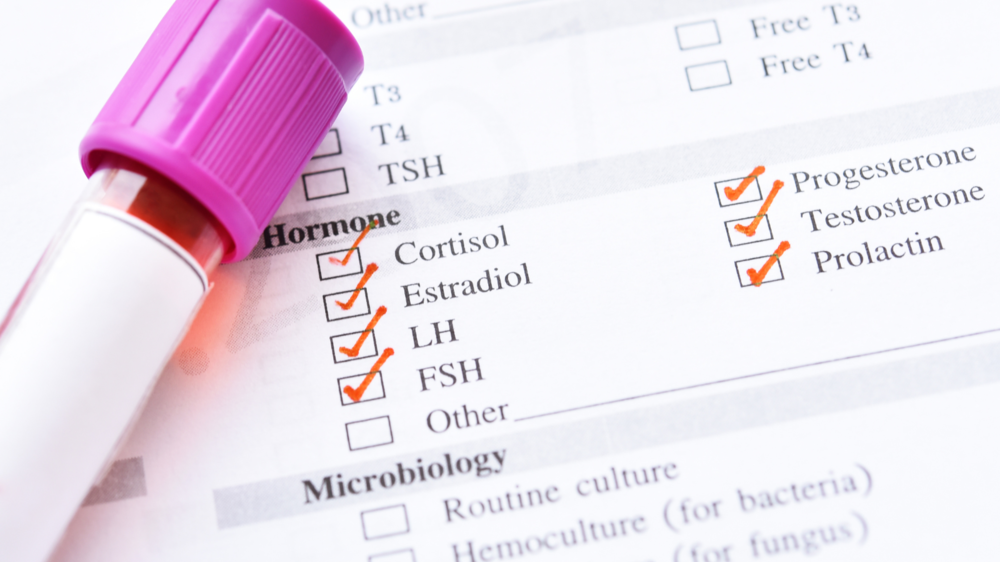
If your symptoms seem beyond normal hormonal aging, your doctor may suggest some tests, such as:- Thyroid profile
- Hormone panel
- Iron, Vitamin B12, and Vitamin D
- AMH test
- Blood sugar test
- Insulin test
- Pelvic ultrasound
What are some effective ways of managing Hormonal Changes?
There are many ways to support your body during this time:Lifestyle
- Focus on balanced nutrition
- Include strength training to maintain your muscle and bone
- Prioritize 7–8 hours of sleep
- Reduce stress with yoga, meditation, or deep breathing
General categories include magnesium, omega-3s, vitamin D, and B vitamins. Discuss all supplements with a healthcare provider.
Medical Support
Some women benefit from:
- Hormone Replacement Therapy (HRT)
- Non-hormonal therapies for hot flashes or sleep
- Thyroid treatment if tests show dysfunction
In Conclusion
Experiencing hormonal shifts from your 30s to 50s is a natural and expected part of aging. Every woman’s timeline and symptoms are unique, but staying aware of the changes helps you take charge of your health. Paying attention to early warning signs, getting timely tests, and adopting healthy lifestyle habits can make this transition smoother. Remember, support is available. With the right care and guidance, you can move through each phase feeling informed, empowered, and in control.You’re not alone in your journey when trying to conceive. Join our supportive community to connect with others, share experiences, and find encouragement every step of the way.
FAQs on Hormone Changes by Age: What’s Normal Between 35–50 and When to Seek Help
- Can hormonal changes affect digestion?
Yes, your hormones play a part in the digestive processes. Fluctuations in oestrogen and progesterone can cause constipation, bloating, and appetite changes. - Do hormonal changes impact skin and hair health as we age?
Yes, hormonal changes with age can impact hair and skin. It can cause changes like reduced collagen production, hair thinning, and dry skin.