In this article:
- PCOS affects nearly 1 in 5 women assigned at birth in India (ICMR data).
- Male infertility contributes to 40–50% of all infertility cases (WHO estimates).
- Shared lifestyle habits strongly influence hormonal balance, inflammation, and reproductive function.
How Does PCOS Influence Fertility in a Shared Journey?
PCOS affects ovulation, hormone levels, weight, insulin response, and inflammation. These factors impact how regularly ovulation occurs and how receptive the body is to conception.Irregular cycles reduce the number of fertile windows. High insulin levels raise androgen levels, and inflammation affects egg quality.
Does Your Male Partner’s Fertility Matter When You Have PCOS?
Yes, it matters significantly. Fertility specialists emphasise that conception success increases when both partners undergo evaluation. Even when PCOS is diagnosed, male factors such as sperm count, motility, shape, and DNA integrity can influence conception.Studies show that around 35–40% of infertility cases in India involve male-factor challenges. Poor sperm quality increases time-to-pregnancy, even when female ovulation is corrected.
Sperm count can range from 15–200 million/mL (WHO). Progressive motility should ideally be above 32%, and normal morphology rates should be above 4%.
How Can Stress and Daily Lifestyle Affect Both PCOS and Male Fertility?
Stress increases cortisol levels, disrupting hormonal balance for you and your partner. In PCOS, high cortisol worsens insulin resistance; in male partners, it can reduce testosterone and affect sperm quality.Daily habits, such as sleep cycles, meal timing, and physical activity, affect both partners’ hormonal health.
Common stress-linked concerns:
- Poor sleep (<6 hours)
- High screen time
- Irregular meals
- Lack of exercise
- Chronic worry around conception
Which Foods Support Fertility for Both Partners?
Nutrition shapes hormone balance, inflammation, and metabolic health. A shared meal plan can make a big difference.Foods helpful for PCOS and male partner fertility
- Vegetables (especially greens, gourds, carrots, beetroots)
- Whole grains (millets, whole wheat, red rice)
- Legumes and dals
- Nuts and seeds
- Homemade paneer, curd, buttermilk
- Good fats (groundnut, sesame, or mustard oil)
- Deep-fried items
- White sugar
- Excess bakery products
- Processed snacks
- Sugary beverages
- 1 katori dal,
- 1–2 rotis or 1 cup rice,
- 1 cup of vegetables per meal,
- And a handful of nuts daily.
Does Exercise Improve Fertility for You and Your Partner?
Absolutely. Exercise improves ovulation in PCOS, reduces insulin resistance, and regulates weight. For male partners, activity improves testosterone levels and sperm motility and reduces oxidative stress.Recommended routines
- Brisk walking 30–40 minutes
- Strength training 2–3 times weekly
- Yoga for stress regulation
- Stretching for 10 minutes daily
Exercise safety signs
Stop and rest if you notice:- Dizziness
- Sharp abdominal pain
- Breathlessness more than expected
- Contact a doctor if symptoms persist for more than a day.
Does Weight Really Affect Fertility?
Yes. Weight affects hormonal balance in PCOS. For male partners, higher abdominal fat can reduce testosterone and sperm quality. Even a 5–10% weight reduction in women improves ovulation in PCOS. Male partners may see improvements in sperm parameters with a 7–10% reduction in body weight. But remember,- Focus on waist reduction more than scale weight.
- Use a tape: aim for a gradual 1–2 cm/month reduction.
- Avoid extreme dieting.
What Tests Should Both Partners Consider?
For you (PCOS-related):- AMH
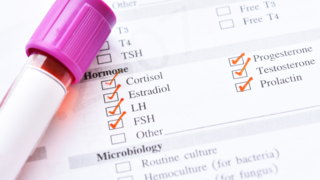
- LH/FSH
- Fasting sugar and insulin
- Thyroid profile
- Pelvic scan
For male partners:
- Semen analysis
- Hormone profile (if needed)
- Scrotal scan (if indicated)
How Do Emotional Health and Relationship Dynamics Affect Fertility?
PCOS can cause frustration, fatigue, and self-doubt. Male partners may feel pressure, guilt, or helplessness. These emotions impact intimacy, communication, and stress levels, thereby influencing fertility health.Helpful practices
- Schedule weekly “no-fertility talk” time.
- Practise 10-minute guided breathing.
- Sleep earlier together for hormonal balance.
- Persistent sadness for more than 2 weeks
- Sleep disturbance
- Strain in relationship communication
What Can You Both Do Next? (Checklist)
- Track cycles together (keep it simple).
- Choose a 30-minute daily activity that you can do together.
- Plan meals with lower sugar and more fresh foods.
- Fix sleep routine.
- Schedule fertility tests for both partners.
- Follow the doctor’s guidance on supplements and medicines.
- Build emotional support practices weekly.
When Should You Contact a Doctor?
- If cycles exceed 35–40 days repeatedly
- If there is unexplained weight gain
- If the male partner has low libido or fatigue
- If you have been trying for 12 months (under 35)
- If trying for 6 months (above 35)
- Severe pelvic pain
- Unusual bleeding
- Sudden swelling or fever in the male partner’s scrotal area
FAQs on How PCOS Impacts Male Partner Fertility: A Complete Guide for Indian Couples
- Can PCOS cause infertility even if the male partner's tests are regular?
PCOS can delay ovulation, reduce fertile days, and sometimes affect egg quality. Even if your male partner’s reports are regular, irregular cycles may slow conception. But with lifestyle changes, weight regulation, medicines, or ovulation support, most individuals with PCOS can conceive successfully. - Can male partner lifestyle changes really improve chances when PCOS is present?
Yes. Male factors contribute to nearly half of fertility challenges. Improving sleep, exercise, diet, and reducing stress helps increase sperm motility and count. When both partners improve their lifestyle habits together, conception rates rise significantly, especially in cases of PCOS-related delays.