However, hydration is essential from the very beginning because the body begins increasing blood volume and moving nutrients to support the baby’s early development. Proper hydration supports circulation, digestion, and temperature balance from the start.
Now, the question arises- How much water does the body really need in week 1, and what habits help keep me hydrated? Let’s discuss the best hydration practices for early pregnancy.
How Much Water to Drink in Week 1?
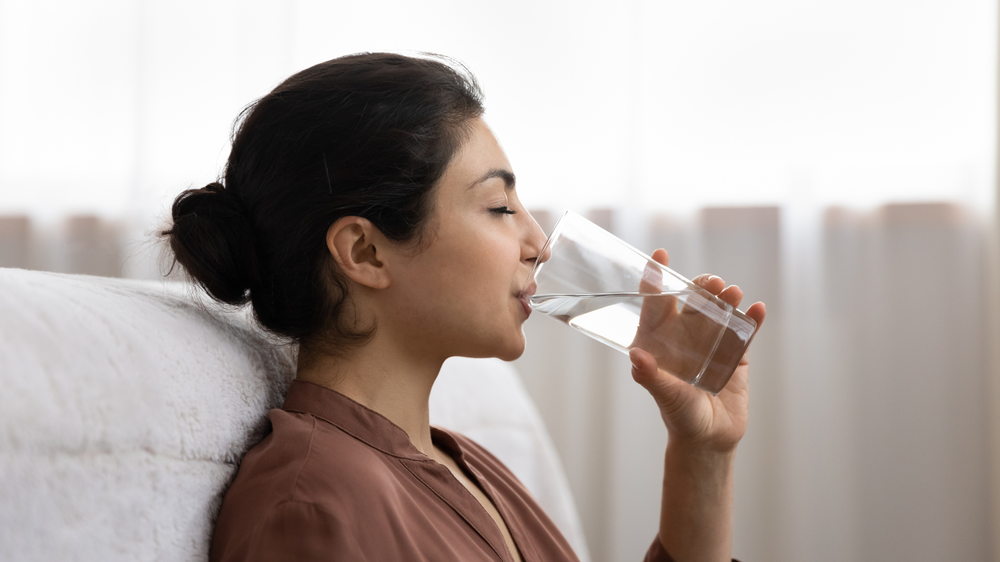
In week 1, most pregnant women need about 8 to 12 glasses of water per day, which is about 2 to 3 litres. The right amount supports early body changes and growing fluid needs.Some days may require more water. Hot weather causes fluid loss through sweat, and physical activity increases water needs. On such days, adding one or two extra glasses can help.
Furthermore, drinking small amounts often throughout the day helps the body stay hydrated better than drinking large quantities at once.
Note: Water needs can vary among women. Always follow your doctor’s recommendations, especially if you have medical conditions or special fluid requirements during pregnancy.
https://pregatips.com/pregnancy/hydration-in-pregnancy-expert-guide-india/articleshow/125375425.cms
What are the Signs You Are Not Drinking Enough Water?
Here are the signs you’re not drinking enough water.- Dark urine or a strong smell
- Dry mouth or cracked lips
- Constant tiredness or weakness
- Dizziness or lightheaded feeling
- Headache or low energy
- Less frequent urination
What are the Best Practices to Be Hydrated in Week 1?
Staying hydrated in week 1 sets the tone for a healthy pregnancy. The following simple hydration practices can help maintain balance, energy, and comfort during this early stage.Drink Water Regularly Throughout the Day
- Do not wait until thirst appears. Thirst often signals that the body is already dehydrated. Drinking small amounts of water at regular intervals helps maintain steady hydration, supporting smooth circulation and nutrient delivery throughout the body. However, don’t drink too much water at once; otherwise, you may get stomach issues.
- The body loses water during sleep. Therefore, drinking water soon after waking helps restore fluid levels. Furthermore, morning hydration supports digestion and helps the body feel refreshed. The habit of morning hydration also encourages better water intake throughout the day.
Adjust Intake Based on Weather and Activity
- Do not stick to a fixed daily water intake. Warm temperatures increase fluid loss through sweating. Moreover, physical activities such as walking and prenatal yoga increase fluid needs. Thus, adding extra water on hot days or during active periods helps replace lost fluids and prevent dehydration.
Use Healthy Fluid Options When Needed
- Sometimes drinking plain water can be difficult due to changes in taste or mild nausea. In such cases, healthy alternatives like coconut water, clear soups, herbal teas, or diluted fruit juices can support hydration. These fluids help maintain water intake while providing electrolytes and comfort. Choose options without added sugar and consume them in moderation alongside water.
- Urine colour offers a simple and effective way to assess hydration status. Light yellow urine usually indicates adequate hydration, while dark yellow or strong-smelling urine suggests you need more fluids. Checking urine colour once or twice a day helps you adjust water intake early and avoid dehydration-related symptoms.
- Fruits and vegetables contribute significantly to daily fluid intake while also providing essential nutrients. Foods such as watermelon, cucumber, oranges, tomatoes, and soups naturally increase hydration. Adding these foods to meals and snacks supports fluid balance, digestion, and overall nourishment, making hydration easier and more enjoyable.
In this article:
What To Do Next?
- Start tracking daily water intake from Week 1 to avoid dehydration.
- Keep a water bottle within reach to encourage regular sipping.
- Increase water intake on hot or active days to replace lost fluids.
- Watch urine colour: light yellow indicates good hydration; dark urine means drink more.
- Consult a doctor if dehydration symptoms, such as dizziness or weakness, persist.
Whether you’re pregnant, a new mom, or navigating postpartum, you don’t have to do it alone. Join our support group to connect, share, and support one another.
FAQs on Best Hydration Practices in Week 1
- Are electrolyte drinks necessary in Week 1?
Not usually, unless recommended by a doctor for nausea, vomiting, or heavy fluid loss. - Can herbal teas replace water?
Some herbal teas are safe and hydrating, but always check with a doctor before consuming regularly. - Does drinking too much water have risks?
Yes, excessive water can lead to overhydration and dilute electrolytes. Therefore, kindly stick to recommended amounts.