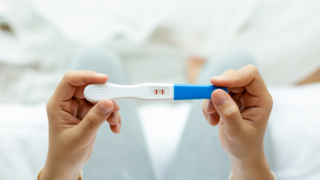
Prenatal vitamins also help the mother by supporting blood health and overall energy from the very beginning. However, some women feel it is too early to start prenatal vitamins in week 1, while others believe that a balanced diet is enough. The confusion often causes delays that may affect the early pregnancy care.
Let’s discuss what prenatal vitamins are and the benefits of consuming these vitamins in the first week.
What are Prenatal Vitamins?
Prenatal vitamins are supplements for women given before and during pregnancy. They offer essential nutrients needed for a healthy baby. Here are some of the crucial components of prenatal vitamins:- Folic Acid: Helps in the growth of the baby’s brain and spine.
- Iron: Builds healthy blood in both the baby and the mother and supports overall energy.
- Calcium and Vitamin D: Build strong bones and teeth in the baby.
In this article:
Why Should You Start Prenatal Vitamins in Week 1?
Starting prenatal vitamins in week 1 may feel early. However, early action often yields the most significant benefits. Here are some of the top reasons why you should start taking prenatal vitamins in week 1:Supports Early Brain Development
- The baby’s brain begins to form even before many women confirm pregnancy. Prenatal vitamins supply folic acid, which plays a key role in early brain growth. Therefore, starting in week 1 ensures that folic acid is already available when the brain begins to form. If intake is delayed, it may reduce early support during this critical stage.
- The baby’s spine develops alongside the brain during the first few weeks, requiring steady nutrient support. The structure begins as a neural tube, which later develops into the brain and spinal cord. Prenatal vitamins provide folic acid that supports proper closure of the neural tube. If the folic acid levels are low, it will increase the risk of spinal problems, such as incomplete spinal closure. Therefore, early intake of prenatal vitamins ensures that the body has enough folic acid before spinal development begins.
- Prenatal vitamins support strong bones by supplying key bone-building nutrients. Calcium plays a central role in forming the baby’s bones and teeth. Furthermore, Vitamin D helps the body properly absorb and use calcium.
- Prenatal vitamins also support the mother’s bone health. During pregnancy, the baby draws calcium from the mother’s body. Adequate calcium intake protects the mother from bone loss. Thus, they help build a strong skeletal foundation for the baby while maintaining the mother’s bone strength.
- Prenatal vitamins also support healthy blood formation by supplying iron and folic acid. Iron helps the body produce haemoglobin, which carries oxygen in the blood. During pregnancy, blood volume increases to support the growing baby. An adequate amount of iron supports increased blood levels and prevents low oxygen levels.
Fills Early Nutrition Gaps
- Prenatal vitamins fill early nutrition gaps by providing essential nutrients in a fixed amount. During early pregnancy, nausea, appetite changes, and food aversions may reduce food intake, limiting access to critical nutrients.
What To Do Next?
- Schedule an appointment with your doctor, midwife, or healthcare professional to discuss prenatal vitamins.
- Look for a prenatal vitamin that contains essential nutrients such as folic acid, iron, calcium, vitamin D, iodine, and DHA, as recommended by a healthcare provider.
- Take your prenatal vitamin consistently at the same time each day to support early foetal development and maintain steady nutrient levels in your body.
- Pair prenatal vitamins with a nutritious, balanced diet that includes fruits, vegetables, whole grains, lean proteins, and healthy fats.
- Monitor how your body reacts to the supplement. If you experience nausea, constipation, or discomfort, consult your doctor for adjustments.
Whether you’re pregnant, a new mom, or navigating postpartum, you don’t have to do it alone. Join our support group to connect, share, and support one another.
FAQs on Should You Start Prenatal Vitamins in Week 1
- Can prenatal vitamins cause nausea?
Some women may feel mild nausea, especially with iron. Taking them with food can help. - Do prenatal vitamins affect weight gain?
Prenatal vitamins themselves do not cause weight gain; weight changes are due to pregnancy and diet.