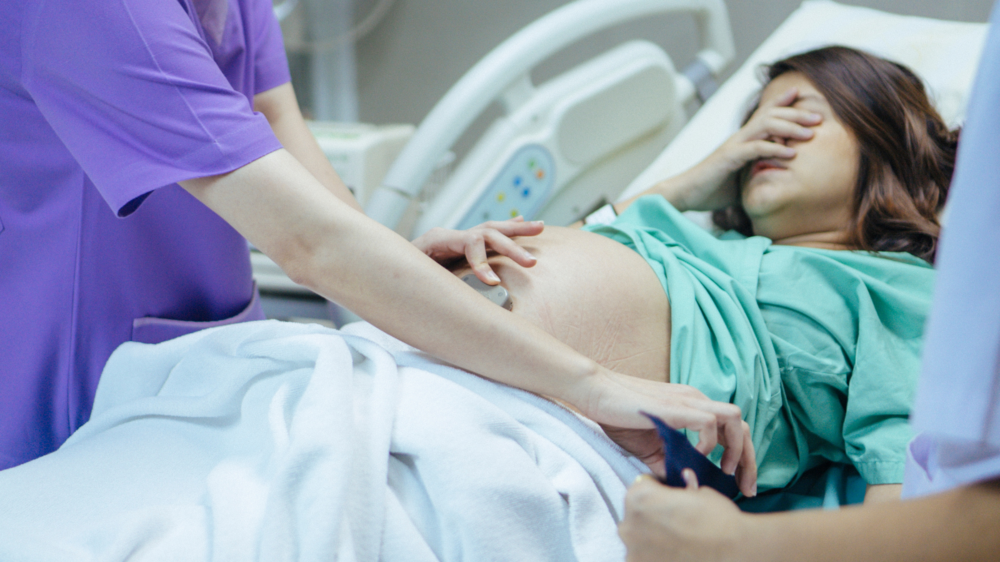
While most babies turn on their own before birth, some remain in a breech position. In these cases, parents and healthcare providers must carefully discuss the safest way to give birth. Vaginal breech delivery is possible in selected situations, but it is not suitable for everyone.
Understanding what vaginal breech birth is and whether it is a safe option or not is important to make the right decision. Let’s learn about vaginal breech birth in detail.
What Is a Breech Baby?
A breech baby, in simplest words, is a baby who is lying bottom first or feet first in the womb instead of head first. Throughout pregnancy, the baby keeps turning around; hence, breech positioning in early pregnancy is common.But by 36 to 37 weeks, most babies naturally turn and settle into the head-down position. This position is ideal for a normal delivery.
In this article:
Confused by pregnancy or fertility advice online? Get clarity from experts at Times Future of Maternity 2026.
What are the Types of Breech Positions?
Breech babies can lie in different ways. These positions play an important role in deciding whether a vaginal breech birth is safe. The types of breech positions include:Incomplete Breech
In incomplete breech positions, the baby’s hips may be flexed while the legs are extended, or one or both feet may be positioned below the hips.- Frank breech: In this position, the hips are flexed, and the legs are extended upward.
- Footling or knee breech: This position occurs when one or both feet are positioned below the bottom.
Complete Breech
In complete breech, both the hips and knees are flexed, and the baby’s feet rest near the buttocks.What Happens When a Breech Baby Is Found at 36 Weeks?
If your baby is still breech at around 36 weeks, your healthcare provider will discuss your options for a safe delivery. In most cases, you will be offered an external cephalic version (ECV). During ECV, a trained healthcare professional applies gentle pressure to your abdomen to encourage the baby to turn into a head-down position.ECV is considered a safe procedure, although it can feel uncomfortable. If the procedure works, you may have a normal head-down vaginal birth. However, if the baby still remains in a breech position, planning for a breech birth will be discussed.
Can You Have a Vaginal Breech Delivery?
A vaginal breech delivery means giving birth vaginally when the baby remains in a breech position. A vaginal breech birth option requires careful assessment and is not routinely recommended for all pregnancies.Why Vaginal Breech Birth Can Be Risky?
During a typical head-down birth, the baby’s head is delivered first. The head is the largest part of the baby’s body and helps stretch the mother’s pelvis enough for the rest of the body to pass through.In a breech baby, the hips or legs are delivered first. The head comes last. This can cause serious problems if the pelvis does not remain wide enough for the head to pass through easily.
There is also a risk of the umbilical cord becoming compressed or prolapsed. This can cut off oxygen to the baby and lead to serious injury or even death if not managed quickly.
When Vaginal Breech Delivery Is Not Advised?
There are several situations in which a vaginal breech birth is not advised. These include:- The baby is in a footling breech position
- The mother has preeclampsia
- A narrow maternal pelvis
- Previous caesarean section
- The baby’s neck is tilted far back
- The baby is larger or smaller than average
- The mother has a low-lying placenta
What are the possible complications of vaginal breech birth?
Vaginal breech birth carries specific risks, which is why it must be carefully planned and managed by experienced healthcare professionals. Possible complications include:- Difficulty delivering the arms or head, which can increase the risk of injury
- Head entrapment, where the baby’s head becomes stuck in the birth canal
- Birth trauma, including injury to the baby’s neck, shoulders, or spine
- Damage to internal organs during delivery
- Placental detachment, which can reduce oxygen supply to the baby
- Umbilical cord prolapse or compression, leading to reduced oxygen (asphyxia)
- Delayed delivery of the head increases the risk of complications
When Vaginal Breech Birth May Be Considered
Despite the risks, vaginal breech birth may still be an option in carefully selected cases. It may be considered if the baby is in a complete or bottom-first breech position, the pelvis is adequate, and the mother has not had a previous caesarean section.Planned vaginal breech birth under strict protocols has shown success rates of around 70%, with adverse outcomes occurring in less than 7% of cases. When managed properly, foetal and neonatal outcomes can be similar to those of planned caesarean birth. The presence of experienced healthcare professionals is essential.
When is a C-section Recommended for Breech Birth?
A planned caesarean section is often recommended for breech babies, especially in high-risk situations. It is the only safe option for double footling breech, very large babies, or when the mother has a narrow pelvis.Planned caesarean delivery has been shown to reduce perinatal and neonatal death rates and lower short-term complications compared to vaginal breech births. In modern practice, caesarean section is also recommended for babies lying sideways in a transverse position.
A breech baby can change birth plans, but safe options are available. Vaginal breech delivery may be possible in selected cases with experienced care and strict safety guidelines. In many situations, a caesarean section remains the safest choice. Discussing your options with your healthcare provider helps ensure the best outcome for both mother and baby.
Whether you’re pregnant, a new mom, or navigating postpartum, you don’t have to do it alone. Join our support group to connect, share, and support one another.
FAQs on Can You Deliver a Breech Baby Vaginally? What Experts Say About Safety and Success Rates
- What is the role of skilled care and birth position?
Successful vaginal breech delivery depends heavily on the experience of the healthcare team. Professionals must be trained in recognising and managing complications such as cord prolapse, arm deflection, and delayed delivery of the head. - Can a breech baby be delivered safely?
Yes, a breech baby can be delivered safely with the help of an expert care team. Your healthcare team will choose the best delivery option to bring your baby safely.