In this article:
What Happens During Implantation After IVF?
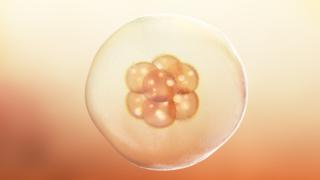
Understanding the process helps you make calmer, informed decisions rather than guessing what is right. Implantation usually occurs in three stages:- Apposition (embryo makes first contact)
- Adhesion (embryo attaches firmly)
- Invasion (cells embed into the uterine lining)
Key points to remember:
- Cramping and light spotting can be normal.
- Severe bleeding, fever, or sharp pain is not normal.
- Contact a fertility doctor if symptoms are intense or worsening.
Does Bed Rest Help Implantation?
Many people still think lying flat after embryo transfer increases success, but research shows otherwise.Studies in fertility clinics across India and globally found no improvement in success rates with strict bed rest after transfer. Light movement keeps blood flow steady and reduces stress.
What you can do instead:
- Rest for 20–30 minutes after transfer only if advised
- Avoid heavy lifting for 48–72 hours
- Continue gentle daily activity
Contact a doctor if:
- You feel dizzy, breathless, or unusually weak.
- There is heavy bleeding or severe abdominal pain.
What Should You Eat to Support Implantation?
Food will not force implantation, but balanced nutrition helps regulate hormones, blood sugar, and uterine blood flow.Key nutrients that matter
- Iron-rich foods: spinach, ragi, jaggery, rajma
- Protein: 1.1–1.3 grams per kg body weight per day
- Healthy fats: groundnut, sesame, coconut in moderate amounts
- Complex carbohydrates: millets, whole wheat, brown rice
- Hydration: 2–2.5 litres of water per day, unless restricted by a doctor
What to limit
- Excess caffeine above 200 mg per day (about two small cups of chai or coffee)
- Unpasteurised dairy
- Raw or undercooked eggs and meat
- Street food during the hot months to avoid infection
- Vomiting, diarrhoea, or dehydration
- Sudden swelling in the legs or face
Can Gentle Exercise Improve Implantation?
Light movement may help regulate blood flow and stress hormones, especially during the two-week wait.Safe options
- Slow walking 20–30 minutes a day
- Light stretching
- Breathing exercises such as diaphragmatic breathing
- High-intensity workouts
- Jumping, running, or core-heavy routines
- Yoga inversions
- Swimming if your clinic has advised against it
How Important Is Sleep During the Implantation Window?
Sleep influences hormone regulation, immune balance, and stress levels. Aim for 7–9 hours of sleep each night, a regular sleep schedule and reduce your screen use at least 1 hour before bed. If sleep becomes difficult, try taking warm showers in the evening. Keep your room dark and cool, and avoid heavy meals after 8 pm.Seek medical advice if you have had insomnia lasting more than a week, or if you notice loud snoring or pauses in breathing.
Do Stress and Anxiety Affect Implantation?
Stress cannot prevent implantation, but high cortisol levels may disrupt sleep, appetite, and routine medications.- Short guided breathing: inhale four counts, exhale 6 counts
- Journaling worries before bed
- Limiting online searches after a fixed time
- Talking to a counsellor if anxiety affects daily function
Contact a healthcare professional immediately if you feel unsafe, are unable to sleep or eat, or face panic attacks.
Do Supplements Improve Implantation?
Only take supplements your fertility specialist prescribes. Common medical support includes progesterone that helps maintain the uterine lining. Low-dose aspirin is used only when medically indicated. Thyroid levels may need to be monitored every 4–6 weeks.Never start on your own
- Herbal mixtures
- Hormonal products
- Multiple supplements together
Red flags requiring medical help:
- Rash, swelling, or difficulty breathing
- Severe headache or vision changes
What Symptoms Are Normal After Embryo Transfer?
Most symptoms vary and do not predict success or failure.Common and usually normal
- Mild cramping
- Light spotting
- Breast tenderness
- Bloating from progesterone
Seek urgent care if
- Bleeding soaks a pad within an hour
- Fever above 38°C
- Sharp pain on one side
- Fainting or severe vomiting
What Lifestyle Habits Should You Avoid?
Some routines may interfere with implantation or safety during early pregnancy.Avoid
- Smoking (active or passive)
- Alcohol
- Hot water bags on the abdomen
- Steam rooms or saunas
- Long-distance travel in the first 48–72 hours, unless cleared by a doctor
Use caution with
- Over-the-counter painkillers
- Exposure to pesticides or strong chemicals
What to Do Next: A Simple Checklist
- Take all medicines at the same time daily
- Eat balanced meals every 3–4 hours
- Drink 2–2.5 litres of water
- Walk 20–30 minutes gently
- Sleep 7–9 hours nightly
- Avoid smoking, alcohol, and strenuous exercise
- Contact your clinic for unusual symptoms.
- Plan the pregnancy blood test as scheduled; do not test early
IVF can feel overwhelming, but you’re not alone. Join our IVF support group, where stories, guidance, and strength are shared daily.
FAQs on Improving Implantation After IVF in India: Nutrition, Rest, and Real-Life Guidance
- How long does implantation take after IVF?
Implantation usually starts 6–10 days after embryo transfer. A blood test for pregnancy is often done on day 12–14. Feeling no symptoms is common and does not mean anything is wrong. Severe pain, fever, or heavy bleeding needs prompt medical attention. - Can stress stop implantation after IVF?
Stress does not block implantation, but high anxiety may affect sleep, appetite, and routine medicines. Gentle coping habits, such as breathing exercises and limiting online searching, can help. If stress affects daily functioning or causes panic, speak to a counsellor or doctor without delay.