What Actually Happens During IUI
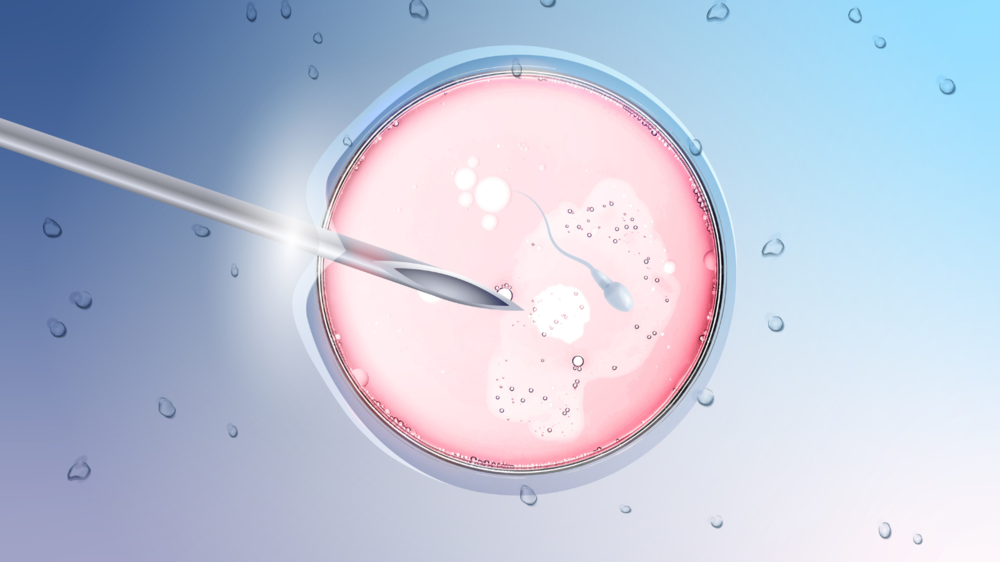
IUI is a straightforward process in which washed sperm are placed directly into the uterus using a fine, flexible catheter. The aim is to increase the likelihood that more sperm reach the egg at the right time during ovulation. This simplicity should reassure you and alleviate any anxiety about the procedure.The procedure usually happens at a fertility clinic and follows a few easy steps:
- You lie down comfortably, similar to a regular gynaecological examination.
- The doctor inserts a speculum to open the vaginal walls gently.
- A narrow catheter is then passed through the cervix into the uterus.
- The prepared sperm sample is slowly injected through the catheter.
Does IUI Hurt
For most women, IUI feels similar to a pap smear or routine pelvic examination. You may experience slight discomfort when the speculum is inserted or when the catheter passes through the cervix. The sensation can feel like mild cramping or pressure in the lower abdomen and vagina, especially if your cervix is sensitive to touch.Some women feel little or nothing and describe it as a quick, painless experience. Others compare it to light menstrual cramps that ease within minutes.
Pain tolerance varies, and so does cervical sensitivity. If you have had previous procedures like a hysteroscopy or if your cervix is narrow, you might feel slightly more discomfort, but it remains manageable and brief.
What matters most is to stay relaxed. Tensing your body can make the procedure more uncomfortable, so taking slow, deep breaths helps ease both physical and emotional tension.
What You Might Feel After IUI
Mild symptoms after the procedure are entirely typical. These are signs of your body adjusting post procedure and preparing for possible implantation. Common sensations include:- Light cramping or bloating for a few hours.
- A small amount of spotting was caused by the catheter touching the cervix.
- Mild pelvic pressure that feels similar to ovulation cramps.
If you encounter severe pain, heavy bleeding, or fever, contact your doctor immediately, as these are not typical signs of recovery.
Emotional Discomfort Can Feel Just as Real
While physical discomfort during IUI is usually minimal, the emotional weight of the procedure can be much harder to manage. Many women describe the experience as emotionally intense rather than physically painful.The mix of hope, anxiety, and anticipation can create tension that feels like physical unease. Taking a few steps to prepare emotionally can make a big difference:
- Arrive a little early to avoid rushing or stress.
- Practise deep breathing or gentle meditation before the appointment.
- Bring your partner or a trusted friend for emotional support.
- Remember that feeling nervous is normal — it shows how much this moment means to you.
Factors That Can Affect Your Comfort
Several factors influence how an IUI feels physically. Understanding them helps you prepare better.- Cervical Sensitivity: Some women have a tighter or tilted cervix, which can make catheter insertion slightly more uncomfortable. Doctors use flexible, thin catheters to minimise this.
- Hormonal Medication: If you are undergoing a stimulated IUI cycle, medications such as Clomiphene or gonadotropins can cause the ovaries to feel tender, making you more aware of pelvic sensations.
- Anxiety and Muscle Tension: When you are anxious, pelvic muscles tighten, which can increase discomfort. Relaxation before the procedure helps greatly.
- Experience of the Practitioner: An experienced fertility specialist will make the process quick and nearly painless through gentle handling and precision.
How to Make IUI More Comfortable
Taking small steps can make the experience easier and more relaxing.- Keep your bladder partially full before the procedure. It helps reduce manipulation thus reducing pressure and discomfort.
- Wear loose, comfortable clothing to avoid feeling restricted.
- Practise deep, steady breathing throughout.
- Communicate openly with your doctor if you feel pain — adjustments can be made immediately.
- After the procedure, rest for a short while and hydrate.
- Most importantly, remind yourself that a bit of discomfort now is a step closer to your goal.
What to Expect in the Days After IUI
After IUI, your doctor might prescribe progesterone supplements to support the implantation. These can sometimes cause mild bloating, breast tenderness, or tiredness, which are often mistaken for early pregnancy symptoms.Don't spend the two-week wait analysing every little feeling. It's normal to have cramps, a full feeling, or a slight discharge, but these symptoms can also be caused by hormonal changes instead of implantation.
Instead, take care of yourself. Get sufficient sleep, eat healthy foods, and drink enough water. Walking lightly or reading something calming can help you stop worrying all the time and start looking forward to something.
Avoid strenuous workouts, heavy lifting, or hot baths, as they can affect circulation or body temperature. Most importantly, maintain a calm awareness of your body and mind.
The Truth About Pain and IUI
Many women are pleasantly surprised after their first IUI, realising it was far less uncomfortable than they had feared. The anxiety before the procedure often feels worse than the experience itself.IUI is designed to be a minimally invasive fertility option. The discomfort you may feel is usually brief and mild — nothing compared to the stress of uncertainty that often builds around it. Knowing the steps, preparing your body, and approaching the process with calmness helps you feel more in control.
Remember, your resilience and hope are far stronger than a few minutes of discomfort. Each cycle brings new knowledge, and each step takes you closer to your dream of parenthood.
You’re not alone in your journey when trying to conceive. Join our supportive community to connect with others, share experiences, and find encouragement every step of the way.
FAQs on Is IUI Painful: What Women Actually Experience
- How painful is IUI compared to other fertility treatments?
IUI is one of the least painful fertility procedures, often compared to a pap smear in terms of discomfort. - Do I need anaesthesia for IUI?
No. The procedure is quick and mild, typically requiring no sedation or pain medication. - Can I go to work after IUI?
Yes. You can resume normal activities right after the procedure, though resting for a few hours may help you feel more comfortable.