In this article:
What Is “Week 1” Bleeding, Really
Doctors count week one of pregnancy from the first day of your last period. So, what seems like 'early pregnancy bleeding' is usually not related to pregnancy at all. Light bleeding in this phase may be:- The start of a regular menstrual cycle
- Hormonal spotting due to stress or cycle variation
- Withdrawal bleeding after stopping hormonal contraception
Confused by pregnancy or fertility advice online? Get clarity from experts at the Times Future of Maternity 2026.
Why Does This Myth Matter So Much?
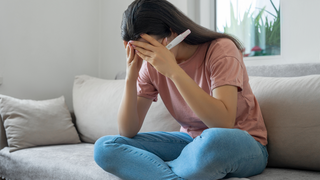
Thinking that light bleeding always means pregnancy can create strong emotions early on. You might feel excited, picture the future, or prepare for disappointment. If things turn out differently, it can feel like a loss, even if nothing is wrong medically. Knowing the facts helps you take care of both your body and your feelings. Emotionally, this phase can involve:- Heightened anxiety
- Over-analysing every symptom
- Strain in partner communication
- Feelings of guilt or self-blame
Is Implantation Bleeding the Same as Week 1 Bleeding
This is where many people get confused. Implantation bleeding happens when a fertilised egg attaches to the uterus, but this usually takes place 6 to 12 days after ovulation, not during the first week. Key facts about implantation bleeding:- Occurs in only 15–25% of pregnancies
- Very light spotting, often lasting a few hours to two days
- No clots, no heavy flow
- Usually pink or brown, not bright red
How Can You Tell the Difference Between Early Pregnancy Bleeding and a Period
Your body gives small signs. Noticing them, without worrying too much, can be helpful. More likely a period if:- The flow gradually becomes heavier
- You experience cramping similar to your usual periods
- Bleeding lasts more than 3 days
- Blood is bright red with clots
- Spotting is very light and stops quickly
- No increase in flow
- Mild pulling sensation in the lower abdomen
- Occurs after ovulation, not before
When Should You Take a Pregnancy Test
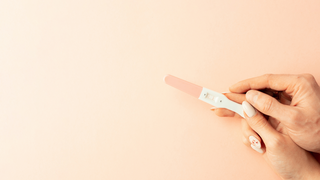
Blood tests can find pregnancy earlier, but it is best to do them with a doctor’s advice to avoid confusion or extra worry. If you test too soon, you might get a false negative. For the most accurate results:- Wait 12–14 days after ovulation
- Or 1 week after a missed period
- Use first-morning urine
What Role Do Stress, Nutrition, and Lifestyle Play
Stress can strongly affect your hormones. Long work hours, not enough sleep, travel, emotional stress, or illness can all lead to spotting. In India, common contributing factors include:- Iron deficiency anaemia (haemoglobin below 12 g/dL)
- Sudden dietary changes or fasting
- Excess caffeine (more than 200 mg per day)
- Intense exercise without recovery
Should You Be Worried About Light Bleeding
Most of the time, you do not need to worry. Light bleeding without pain, fever, or dizziness is usually not serious. But some signs mean you should see a doctor. Seeing a doctor early can help rule out infections, hormone problems, or other issues. Contact a doctor if you notice:- Bleeding, soaking a pad every hour
- Severe lower abdominal pain
- Fever above 38°C
- Dizziness or fainting
- Bleeding lasting more than 7 days
Emotional Health: Giving Yourself Permission to Feel
Waiting and not knowing can be tiring. It is normal to feel both hopeful and careful. Talking with someone you trust, like a partner or family member, can help you feel less alone. Support strategies include:- Journaling instead of constant symptom-checking
- Gentle breathing exercises before sleep
- Limiting online searches late at night
What to Do Next: A Simple Checklist
- Note the colour, duration, and amount of bleeding.
- Avoid panic testing too early.
- Eat balanced meals and stay hydrated.
- Reduce strenuous exercise for a few days.
- Get 7–9 hours of sleep.
- Speak to a doctor if unsure.
- Lean on emotional support.
You’re not alone in your journey when trying to conceive. Join our supportive community to connect with others, share experiences, and find encouragement every step of the way.
FAQs on Light Bleeding in Week 1: Why It Does Not Automatically Mean Pregnancy
- Can light bleeding happen in early pregnancy and still be normal?
Yes. Light spotting can occur in early pregnancy, especially around implantation or due to hormonal changes. It is usually mild, short-lived, and painless. Heavy bleeding, clots, or strong cramps should always be checked by a doctor. - Does light bleeding reduce the chances of getting pregnant that cycle?
Not necessarily. Light bleeding does not automatically affect fertility. Many people conceive in cycles that include spotting. Factors like ovulation timing, egg quality, sperm health, and overall well-being play a larger role than brief, light bleeding.