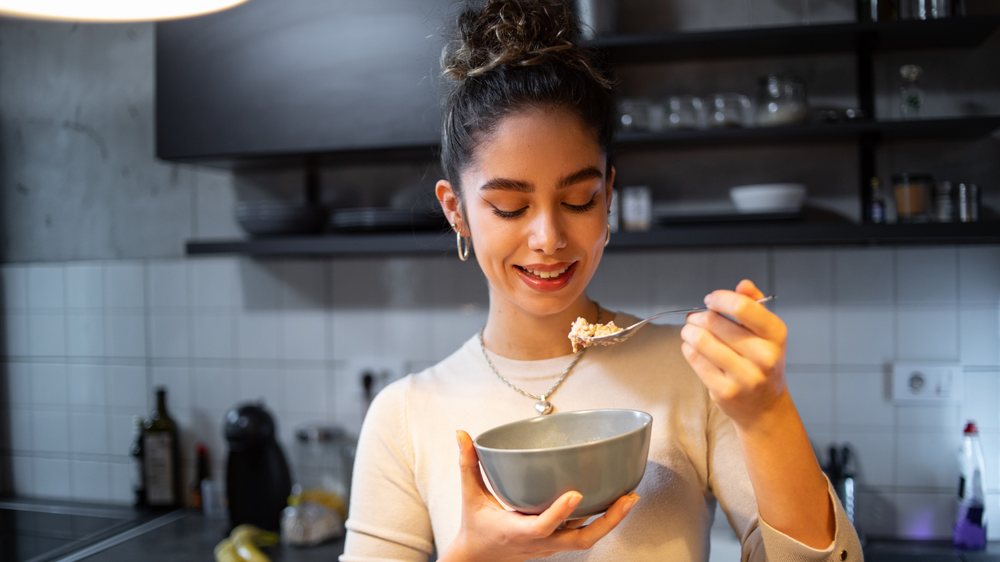
This is not regarding perfection. It is about small, realistic shifts that fit into the busy lives of Indian households, school schedules, group meals, and emotional realities. When your eating pattern aligns with your natural rhythm, your body commonly feels less stressed—and PCOS symptoms may soften over time.
In this article:
What Is Meal Timing or Circadian Eating?
Circadian eating refers to eating in synchrony with the body's circadian rhythm. This rhythm controls hormones, including insulin, cortisol, and melatonin, across a 24-hour cycle. In simple terms, your body processes food better during daylight. Digestion, insulin response, and metabolism slow down late at night.For people with PCOS, who often have insulin resistance and hormone imbalance, this schedule is critical. Studies show that insulin sensitivity is highest in the morning and drops by 20–30% by evening. This means eating late at night can exacerbate blood sugar spikes. Circadian eating usually involves:
- Eating breakfast within 1–2 hours of waking
- Having the largest meals earlier in the day
- Finishing dinner 2–3 hours before sleep
- Keeping a consistent eating window of 10–12 hours
Why Does Meal Timing Matter So Much for PCOS?
PCOS affects more than just the ovaries. It also impacts metabolism, sleep, emotions, and long-term health. Many people with PCOS have insulin resistance, which means their cells have trouble using glucose well. Research from Indian and global studies suggests:- Up to 70% of people with PCOS show insulin resistance, even without weight gain.
- Late dinners increase fasting insulin levels by 15–25%
- Irregular meal timings disrupt cortisol, increasing anxiety and cravings.
What Does a PCOS-Friendly Circadian Eating Day Look Like?
Circadian eating isn’t about eating less. It’s about eating earlier in the day and keeping meals steady.Morning (7–9 am)
This is the best time for carbohydrates. A balanced Indian breakfast supports insulin sensitivity and energy for caregiving tasks.
Examples:
- Vegetable poha with peanuts
- Idli with sambar
- Whole wheat toast with paneer bhurji
Lunch should be your biggest meal of the day.
Examples:
- Dal, rice or roti, sabzi, curd
- Millet khichdi with vegetables
- Rajma or chole with roti
Having light snacks in the evening can help prevent cravings.
Examples:
- Roasted chana
- Fruit with nuts
- Buttermilk
Try to keep dinner lighter and include more protein.
Examples:
- Vegetable soup with tofu
- Stir-fried vegetables with dal
- Roti with sabzi, less oil
Can Circadian Eating Improve PCOS Symptoms?
Having regular mealtimes can help reduce guilt, anxiety, and the sense that you’re always doing something wrong. This is especially important when you already feel tired or stressed from caregiving. Circadian eating is not a cure, but research shows it can offer real benefits. Studies indicate:- Early time-restricted eating improved insulin sensitivity by 25–30%.
- Regular meal timing reduced menstrual irregularity over 3–6 months.
- Improved sleep onset by 20–40 minutes.
- Reduced evening cravings and emotional eating.
What About Exercise, Sleep, and Emotional Health?
Circadian eating is most effective when combined with gentle lifestyle habits.Exercise:
Light activities such as walking or yoga in the morning or early evening may improve insulin sensitivity. Avoid intense exercise late at night.
Sleep:
Eating late can delay melatonin release. Finishing dinner earlier may improve your sleep quality by 15–20%.
Emotional health:
Eating at regular times can help lower cortisol spikes. This supports a stable mood, greater patience, and emotional presence for one's family. If you find yourself eating for comfort often, it may be a sign of exhaustion, not a lack of willpower.
Safety Tips and When to Contact a Doctor
Circadian eating is generally safe but needs personalisation. Be cautious if you:- Are pregnant or breastfeeding
- Have diabetes on medication.
- Have a history of eating disorders.
- Experience dizziness, fainting, or extreme fatigue
- Periods remain absent after 6 months.
- Blood sugar drops suddenly.
- Weight loss becomes rapid or unintentional.
- Sleep worsens despite early dinners.
What to Do Next: A Gentle Checklist
- Set a 10–12-hour eating window.
- Eat breakfast within 2 hours of waking.
- Make lunch the main meal.
- Finish dinner 2–3 hours before sleep.
- Maintain consistent meal times, even on weekends.
- Focus on nourishment, not restriction.
- Ask family for support with earlier dinners.
- Track energy, sleep, and mood—not just weight
You’re not alone in your journey when trying to conceive. Join our supportive community to connect with others, share experiences, and find encouragement every step of the way.
FAQ’S on Meal Timing for PCOS: How Circadian Eating Supports Hormones, Energy, and Family Life
- Does skipping breakfast help PCOS?
Skipping breakfast can make insulin resistance worse and lead to more cravings later in the day for people with PCOS. Eating earlier helps balance hormones and maintain energy stability. - Is a late dinner harmful, even if the food is of good quality?
Yes. Even healthy foods eaten late can affect your insulin and sleep patterns. When you eat matters for how your body processes food, not just what you eat.