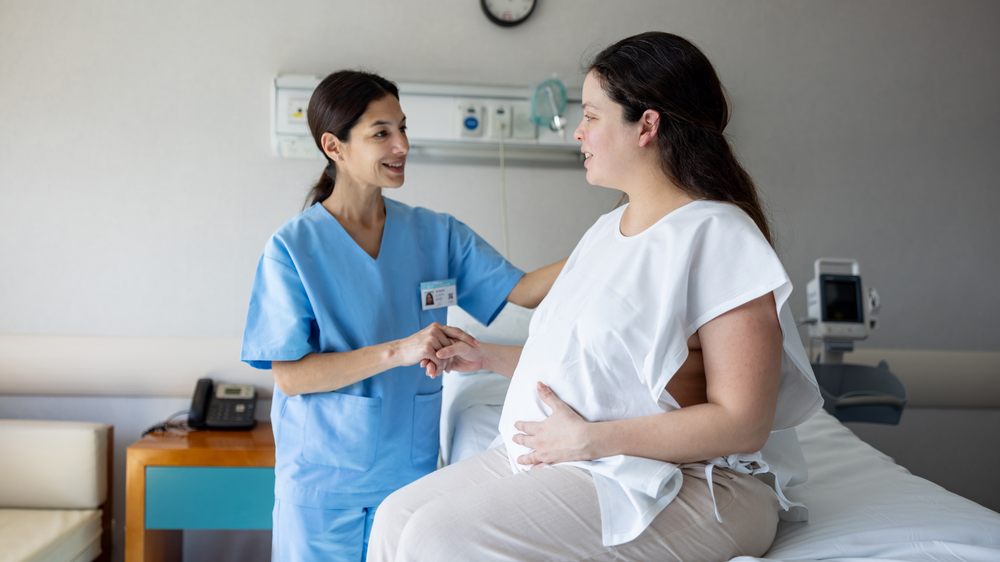
- PCOS affects reproductive and metabolic health.
- Irregular ovulation is a common cause of delayed conception.
- Small lifestyle adjustments can support natural fertility.
Why Does PCOS Affect Natural Conception?
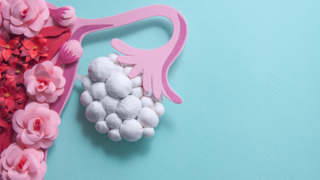
PCOS can interfere with ovulation due to higher androgen levels and insulin resistance. When ovulation is irregular, predicting fertile windows becomes difficult. Studies show that 70–80% of those with anovulatory infertility may have PCOS.- Ovulation may not occur every month.
- Excess insulin may trigger a hormonal imbalance.
- Higher androgens may affect egg development.
- No periods for more than 3 months
- Severe pelvic pain
- Planning pregnancy and age above 35 years
- Excessive hair growth or sudden weight gain
Can Nutrition Support Natural Conception with PCOS?
Food alone does not cure PCOS, but balanced eating can improve insulin response and support regular cycles over time. In India, many meals are carbohydrate-heavy, making portion balance important rather than strict restriction.What helps?
- Include ½ plate of vegetables, ¼ dal or pulses, ¼ whole grains.
- Aim for 20–25 g of protein per meal from dal, chana, rajma, paneer, eggs.
- Choose whole wheat roti instead of maida-based items.
- Add a small handful (15–20g) of nuts daily.
- Do not skip meals
- Eat every 3–4 hours to reduce cravings
- Limit added sugar to 24g per day
- Prefer homemade meals over packaged foods.
In this article:
How Much Movement Is Needed for Better Ovulation?
Regular activity improves insulin sensitivity and may help restore ovulation in some individuals with PCOS. Research suggests that 150 minutes of moderate exercise per week can make a measurable difference.Simple options
- 30–45 minutes brisk walking in a nearby park
- Yoga postures for strength and flexibility
- Climbing stairs instead of lifts
- Light strength training 2–3 times per week
Does Weight Play a Role in Natural Conception
Not everyone with PCOS has weight concerns. However, for those who do, even a 5–10% reduction in body weight may improve menstrual regularity and ovulation, according to clinical guidelines.Important to remember
- Focus on health, not appearance
- A gradual loss of 0.5–1 kg per week is safe
- Sudden or extreme loss may disrupt hormones
- BMI above 30 with symptoms of insulin resistance
- Difficulty losing weight despite lifestyle changes
- Signs of sleep apnoea, such as loud snoring
How Do Sleep and Stress Affect Fertility in PCOS?
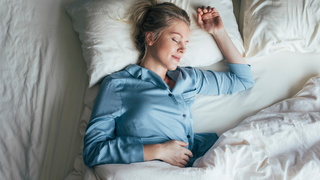
Poor sleep increases cortisol, which may worsen insulin resistance and hormonal imbalance. Many in urban India sleep less than 6 hours due to long commutes and screen use.1. Better sleep routine
- Aim for 7–9 hours nightly
- Reduce screen time 1 hour before bed
- Maintain consistent sleep-wake timings
- Keep the room dark and cool
- Slow breathing for 10 minutes daily
- Journaling or talking to a counsellor
- Spending time outdoors
- Limiting caffeine after noon
How Can You Track Ovulation Naturally?
Tracking ovulation helps time intercourse during the fertile window. With PCOS, prediction kits may be unreliable due to consistently elevated LH levels.More reliable signs
- Temperature rise of 0.3–0.5°C after ovulation
- Stretchy, clear cervical mucus
- Mid-cycle ovulation pain in some individuals
- Use a calendar for 3–6 months
- Check mucus daily after bathing
- Record the morning temperature before getting out of bed
What Are the Emotional Challenges of Trying to Conceive with PCOS?
Repeated negative pregnancy tests, irregular cycles, and pressure from family can create emotional strain. Feeling discouraged does not mean giving up.Support strategies
- Speak openly with a trusted partner or friend
- Join support groups online or locally
- Set realistic timelines with a fertility specialist
- Take breaks from tracking if it becomes overwhelming
What to Do Next: Simple Checklist
- Track cycles for at least 3 months
- Eat balanced meals every 3–4 hours
- Include daily movement
- Aim for 7–9 hours of sleep
- Monitor symptoms and note changes
- Consult a doctor if cycles remain irregular
- Avoid extreme diets or unverified supplements
You’re not alone in your journey when trying to conceive. Join our supportive community to connect with others, share experiences, and find encouragement every step of the way.
FAQs on Natural Conception with PCOS: Lifestyle Changes That Improve Ovulation
- How long does it take to conceive naturally with PCOS?
It varies widely. Some individuals conceive within a few months of lifestyle changes, while others may need medical support. If no pregnancy occurs after 6–12 months of regular unprotected intercourse (or after 6 months if above age 35), a fertility specialist should be consulted. - Can irregular periods still lead to pregnancy in PCOS?
Yes, pregnancy is still possible, even with irregular cycles. Ovulation may occur unpredictably, making tracking important. Monitoring cervical mucus, using cycle calendars, improving sleep, and managing insulin resistance can help. Medical advice is necessary if there is no period for more than 3 months or ovulation cannot be detected.