In this article:
occur. The egg survives only a limited time, whereas sperm can live in the reproductive
tract for several days. Let’s discuss how long after ovulation does fertilisation occur.
What Happens During Ovulation?
Ovulation occurs when one ovary releases a mature egg as part of the menstrual cycle. Hormones such as luteinising hormone (LH) trigger this release, usually around the middle of the cycle. Once released, the egg enters the fallopian tube, where fertilisation can take place. The egg remains alive for about 12 to 24 hours, making this a short but essential window for conception. During this time, the body prepares itself by producing fertile cervical mucus that helps sperm travel more easily toward the egg.The body often shows subtle signs during ovulation, although not everyone notices them. Some women experience mild pain or a pulling sensation on one side of the lower abdomen during ovulation. Cervical mucus may appear transparent and stretchy, similar to egg white, which signals peak fertility. Basal body temperature may also rise slightly after ovulation. These changes work together to create the best possible conditions for fertilisation, even though many women ovulate without feeling any obvious symptoms.
Can You Feel Fertilisation Happening?
Most people do not feel fertilisation itself. Some may notice mild cramping or spotting days later during implantation, but many experience no symptoms at all. Early pregnancy changes usually appear only after implantation, when hormone levels begin to rise.How Long After Ovulation Does Fertilisation Occur?
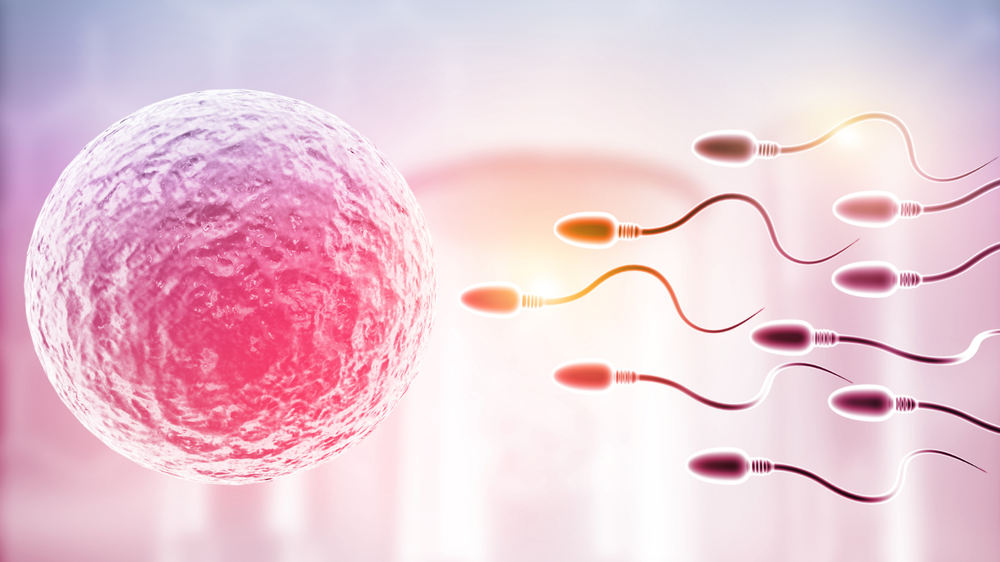
Fertilisation usually occurs within 12 to 24 hours after ovulation, as the egg survives for only a short time once the ovary releases it. After ovulation, the egg enters the fallopian tube and waits for sperm to reach it. When healthy sperm are already present, fertilisation can happen within a few hours. When intercourse occurs after ovulation, fertilisation depends on how quickly sperm travel through the reproductive tract. This short window explains why timing is so crucial in conception.Sperm survival helps extend the fertile window beyond ovulation day. Healthy sperm can live inside the female body for up to three to five days, primarily when cervical mucus supports their movement. Because of this, fertilisation often occurs when intercourse takes place one or two days before ovulation rather than after.
What are the Factors That Can Affect Fertilisation Timing?
Several biological and lifestyle factors influence the timing of fertilisation after ovulation. Although the fertile window follows a general pattern, individual variations often affect how quickly sperm meets the egg.Egg Quality and Lifespan
- Egg quality plays a key role in fertilisation timing. After ovulation, the egg remains viable for only 12 to 24 hours. A healthy egg maintains its ability to accept sperm during this short period, whereas reduced egg quality may shorten it. Age, hormonal balance, and overall reproductive health directly influence egg lifespan and fertilisation readiness.
- Sperm quality strongly affects the time to fertilisation. Healthy sperm swim efficiently and survive longer in the female reproductive tract, sometimes up to five days. Factors such as sperm count, motility, and shape determine how quickly sperm reach the egg. Good sperm health often allows fertilisation to happen soon after ovulation, mainly when intercourse occurs in the days leading up to egg release.
- The timing of intercourse in relation to ovulation significantly affects fertilisation. Intercourse before ovulation often leads to quicker fertilisation because sperm already wait in the fallopian tube when the egg arrives. Intercourse after ovulation may delay or prevent fertilisation if sperm fail to reach the egg within its short lifespan. Consistent timing during the fertile window improves the chances of success.
- Cervical mucus creates a supportive pathway for sperm movement. Fertile mucus appears clear, stretchy, and slippery, allowing sperm to travel easily toward the fallopian tube. Poor-quality or insufficient mucus slows sperm movement and delays fertilisation. Hormonal balance and hydration levels directly influence mucus quality during the fertile phase.
- Hormones control ovulation, egg release, and sperm transport. Hormonal imbalances can delay ovulation or affect egg maturity, thereby shifting the timing of fertilisation.
- Irregular menstrual cycles often indicate hormonal fluctuations, making it harder to accurately predict the fertile window. Stable hormone levels support predictable ovulation and timely fertilisation.
What to Do Next?
- Track ovulation using cycle charts or ovulation predictor kits.
- Maintain a balanced diet rich in folic acid and protein.
- Avoid smoking, alcohol, and harmful substances.
- Manage stress and get adequate sleep.
- Consult a doctor if conception does not occur after several months of trying.
You’re not alone in your journey when trying to conceive. Join our supportive community to connect with others, share experiences, and find encouragement every step of the way.
FAQs on When Does Fertilisation Occur After Ovulation for a Successful Pregnancy
- Can fertilisation happen days after ovulation?
No, fertilisation usually cannot occur after 24 hours because the egg does not survivefor that long. - Is ovulation day the best day to conceive?
The most fertile days often include the 1–2 days before ovulation and the day ofovulation.