These changes do not indicate inadequate hygiene or an underlying infection. They are a typical element of how the body works. But many individuals fear that something is wrong when it isn't, since symptoms such as changes in discharge, odours, or minor discomfort can occur at different points in the cycle.
Understanding Vaginal pH
Vaginal pH tells you how acidic or basic the vagina is. This balance is essential for keeping the vagina healthy, avoiding infections, and retaining the natural microbial ecosystem. The vagina should be slightly acidic, which helps beneficial bacteria flourish and prevents harmful bacteria from proliferating.It is essential to know that the pH of the vagina naturally varies over the menstrual cycle due to hormonal fluctuations. These changes are regular and do not necessarily indicate poor hygiene or illness, helping the audience feel more confident and less worried about normal variations.
Normal Range Versus Balance
People of reproductive age often use the "normal" vaginal pH range, which is usually stated. But just looking at the stats won't tell you how healthy your vagina is. Balance also means being comfortable, having regular discharge, and not feeling irritated.The vaginal environment can remain healthy even if pH changes slightly, as long as these changes are brief and coincide with hormonal fluctuations. It's not the changes themselves that cause problems; it's the long-term changes that keep the ecosystem from going back to normal.
This difference is significant since many people think that any change in scent, discharge, or feeling indicates something is wrong. The vaginal environment is intended to be dynamic and sensitive.
How Hormones Affect the Vaginal Environment
Hormones, particularly oestrogen and progesterone, are crucial in determining the vaginal lining and the balance of microbes in the vagina. Oestrogen helps the vaginal tissue stay thick and flexible, and allows bacteria to develop that help maintain the acidity level.Vaginal Changes During Menstruation
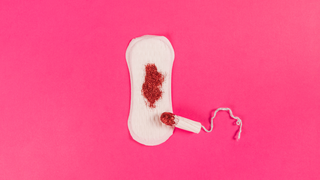
During menstruation, the pH of the vagina often varies in ways that are easy to see. The pH of menstrual blood is greater than that of the vagina, which makes it less acidic for a short time.People often observe the following during this phase:
- A temporary increase in the pH of the vagina.
- A smell that is stronger or more metallic and is connected to blood.
- More moisture because of bleeding.
These changes are common and usually go away after the period ends. Temporary increases in pH during periods don't, on their own, mean you have an infection, and you shouldn't address them unless you have additional worrying signs.
Over-cleansing or using internal products during menstruation might make it harder to get better and keep the imbalance going for longer. That is why it's usually best to do as little as possible.
Stabilisation After Menstruation
After a period, oestrogen levels start to go up again. It helps repair the vaginal lining and restore typical acidity. For many people, this stage feels safe and steady.During this portion of the cycle, the pH of the vagina slowly goes back to its normal acidic range.
- The discharge can be minimal or feel lighter.
- During the menstrual phase, sensitivity often decreases.
This phase is the body's natural way of returning to normal, so it doesn't need to be fixed.
Changes During the Ovulatory Phase
Ovulation causes specific and deliberate changes in the vaginal environment. The body creates conditions that let sperm live longer and move more freely to help with conception.- During ovulation, the pH of the vagina may become a little less acidic.
- The discharge gets clearer, wetter, and stretchier.
- It feels like there is more dampness.
These alterations are transient and involve the body. They show how the body reproduces, not how it loses balance. After ovulation, the acidity slowly rises again.
Changes in the Luteal Phase
After ovulation, progesterone becomes the primary hormone. This hormone affects how much fluid the body holds, how sensitive tissues are, and how discharge occurs. In the luteal phase, the vagina's pH usually returns to a more acidic state.These modifications get the body ready for either getting pregnant or starting your period. During this time, some people may feel some discomfort, especially if they are sensitive to hormones.
Patterns of Discharge During the Cycle
Discharge from the vagina changes spontaneously throughout the menstrual cycle and generally follows pH changes. These changes are a standard element of reproductive health.During the cycle:
- Discharge may be minimal or absent after menstruation.
- Get clear and stretchy around ovulation.
- Before the next period, it should turn white or creamy.
Normalcy is marked by consistency and gradual change. Sudden changes in colour, texture, or scent that make you uncomfortable are more critical than gradual changes that occur in a regular pattern.
Sensitivity to Changes in pH
Not everyone has the same reaction to changes in vaginal pH. Some people are more sensitive to even small changes, which might make them feel bad for a short time without getting sick.This sensitivity could show up as:
- Itching that goes away on its own.
- There are minor changes in smell at specific periods in the cycle.
- Temporary discomfort that doesn't modify the discharge.
Lifestyle and Environmental Aspects
Daily habits, in addition to hormones, can affect how comfortable and stable the vagina is. Chronic stress is one thing that can change the pH equilibrium.- Not getting enough good sleep.
- Clothes that are too tight and don't let air in.
- Long-term exposure to dampness.
Changes in vaginal pH levels throughout the menstrual cycle are a standard and essential element of reproductive health. These changes help protect, support pregnancy, and adjust to hormonal changes. Knowing this rhythm enables you to distinguish between normal variation and actual imbalance.
Most pH changes are temporary and resolve without intervention. When awareness replaces worry, vaginal health becomes easier to interpret and manage with confidence rather than fear.
You’re not alone in your journey when trying to conceive. Join our supportive community to connect with others, share experiences, and find encouragement every step of the way.
FAQs on Vaginal pH Fluctuations Across the Menstrual Cycle Explained
- Is vaginal pH supposed to change during the menstrual cycle?
Yes. Hormonal changes and monthly blood naturally modify the pH of the vagina. - Does ovulation change the pH of the vagina?
Yes. It's typical for the pH to become slightly less acidic around ovulation to support fertility. - Should you check the pH of your vagina often?
You usually don't need to test your pH regularly. Symptoms and comfort are better guides than taking measures all the time.