In this article:
Weaning and Breastfeeding
Weaning is the process of gradually reducing and eventually stopping breastfeeding. Weaning can be both gradual and abrupt.Gradual weaning is when you slowly introduce other liquids or baby foods into your baby’s diet while gradually decreasing breastfeeding. Slowly reducing one feed every 3 to 5 days signals your body to reduce milk production. Gradual weaning minimises the severity of breast pain, discomfort, engorgement, and inflammation.
Abrupt weaning is when you stop breastfeeding altogether without any preparation or giving any hint to the baby. Mothers may stop breastfeeding abruptly due to health issues or personal choice. However, abrupt weaning can cause emotional distress to the baby. The body continues to produce milk because there are no signals to stop.
How long will my breasts hurt after stopping breastfeeding
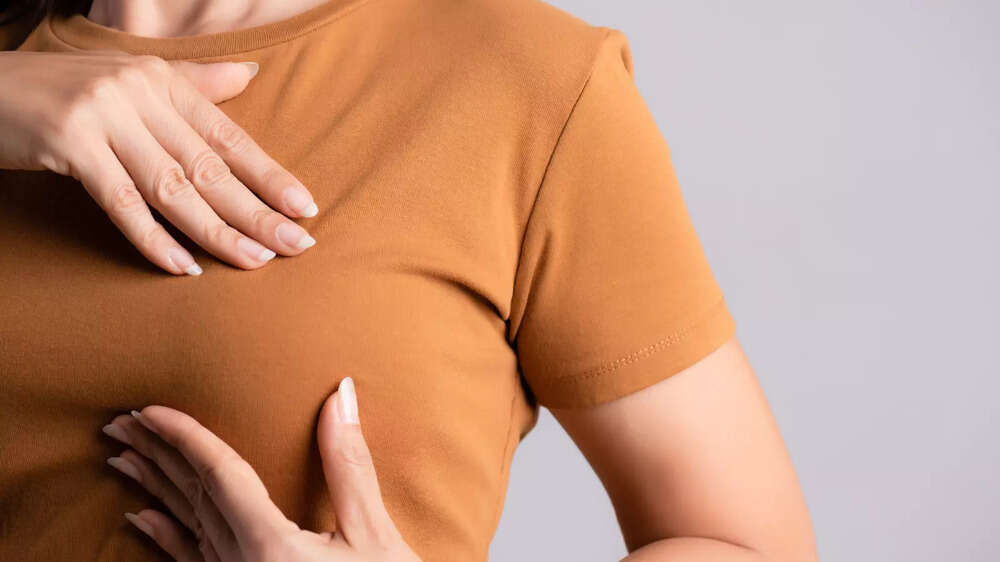
The duration of the breast pain after stopping breastfeeding is not the same for every mother. Each body is different, and each one’s diet is different. However, breast pain after stopping breastfeeding does not have to be a symptom of any disease. It is just the hormonal fluctuations. Most women face severe, sharp pain for a very few days after they stop breastfeeding.Usually, the breast pain can last a few days or weeks. It is common to experience a lumpy breast for 5 to 10 days. As your hormones get balanced, the pain and lumpy breasts will vanish. When mothers gradually stop nursing, engorgement, inflammation, and tenderness may persist for 3 to 5 days.
Suddenly stopping breastfeeding can cause breast fullness, heaviness, and throbbing pain, which intensifies during the first 2 weeks and starts to settle after 4 to 6 weeks. If the milk supply is high, soreness and heaviness may persist for more than 3 weeks as it takes time for the body to stop producing milk completely. As the body continues producing milk, a buildup can occur, leading to mastitis.
How long does engorgement last after stopping breastfeeding?
Even if mothers decide to stop breastfeeding, there are times when their bodies won't hear signals. It produces milk and begins to accumulate, leading to engorgement. Post-weaning engorgement can be heavy, lumpy and tender due to milk build-up, causing pain and discomfort to the mother.If the discomfort is unbearable, you can express it. However, the discomfort is pervasive and will last only a few days, approximately 5 to 10 days. As hormones begin to settle and milk production stops, pain and lumpiness will start to heal.
Symptoms after stopping breastfeeding
Weaning can pose major challenges to the mother's body due to hormone shifts, including a drop in prolactin and oxytocin and an increase in estrogen and progesterone. Experiencing symptoms after stopping breastfeeding is common. Here are some common symptoms one might experience after stopping breastfeeding.- Mood swings are prevalent. During breastfeeding, a spike in feel-good hormones like prolactin and oxytocin helps bonding and relaxation. The drop in these hormones may trigger anxiety and depression.
- Breast tenderness and discomfort are very common.
- Mothers may experience breast engorgement, clogged ducts and leaking.
- Hormonal changes may lead to low libido, sexual desire and dryness in the vagina.
- Even after stopping breastfeeding, the body will produce milk for some time.
- Acne and hair loss may occur due to stress.
- Irregular menstruation or heavy bleeding may occur
- Nausea, headache, dizziness, and soft stools are also common.
Effects of stopping breastfeeding on the baby
Mothers are not the only ones who will suffer during weaning. The effects of breastfeeding on babies are tremendous. Once breastfeeding stops, their bodies and emotions undergo significant changes. Spending time with the baby and ensuring your availability helps them cope with the change. Here are some of the effects of stopping breastfeeding on a baby:- The nutritional element in breast milk is no longer available
- The important antibodies in breast milk are lost, which can lead to immunity issues and infections
- Constipation and diarrhoea can also occur, as it will take time for the baby’s digestive system to get familiar with other foods
- The bonding between mother and baby can be affected without skin-to-skin contac
- The baby might feel sad, emotional, and distant from their mom
Home remedies for breast pain after stopping breastfeeding
With just a few home treatments, you can cure your breast pain and get comfort. Here are our best suggestions:- If you experience engorgement, try expressing a little milk to relieve discomfort. Don't express fully.
- Wear a supportive full-coverage bra with wide straps
- Use a cold compress to soothe inflammation and swelling.
- Avoid warm compresses initially, as they stimulate milk production.
- Reduce salt intake, as it will help your body retain fluids.
- In the worst cases, you can opt for OTC medications prescribed by your doctor.
Whether you’re pregnant, a new mom, or navigating postpartum, you don’t have to do it alone. Join our support group to connect, share, and support one another.
Frequently Asked Questions on How Long Will My Breasts Hurt After Stopping Breastfeeding
- How to dry up milk supply without getting mastitis?
To dry up milk without getting mastitis, avoid massaging or using warm compresses, as they stimulate the body to produce more milk. Try cold cabbage leaves and wear supportive bras for comfort. Gently express the milk by hand and don't empty it. - What happens if you ignore engorgement breasts?
Ignoring engorged breasts can lead to mastitis, which can be painful and cause swelling and redness. When you stop breastfeeding, the milk starts to build up before drying, which can lead to clogged ducts.