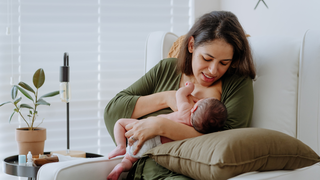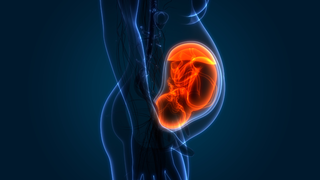
During pregnancy, your body produces high levels of oestrogen, nearly six times higher than usual. This hormone supports your baby's growth, maintains your uterus, and prepares your body for delivery. This hormone, "Oestrogen", supports your baby's development the most, from maintaining the uterus to preparing your body for delivery. It rises by 6 times during pregnancy. However, as soon as delivery is completed, its level drops sharply within one to two days. A sudden change in hormones can affect your body in extreme ways, as this is the fastest hormonal drop your body has ever experienced. It directly impacts your emotional health.
In this article:
Why Does Oestrogen Affect Your Emotions So Strongly?
You are wrong if you think oestrogen is just a reproductive hormone because it has a deep effect on maintaining your brain chemistry. It controls neurotransmitters that contribute to a light mood, promoting calmness, confidence, and motivation.When oestrogen levels suddenly get low:
- You start feeling more sad, and mood swings start as serotonin levels might drop.
- Sleep patterns can change, leading to irritability or fatigue.
- Energy levels can dip, which may affect your ability to cope with stress.
Is It Normal to Feel "Not Like Yourself" After Delivery?
Absolutely. Feeling emotionally fragile after childbirth is very common. Nearly 70–80% of new mothers experience what's known as the "baby blues." This typically starts within a few days after delivery and lasts up to two weeks. You start feeling different types of emotions, but they fade away with time.But be careful, if you are feeling more hopeless, anxious, or overwhelmed constantly for more than 2 weeks or on a very intense level, these might be symptoms of postpartum depression, which is seen in 1 out of 7 individuals.
How Does Oestrogen Influence Postpartum Depression?
Research shows that low oestrogen levels can play a role in triggering or worsening postpartum depression. When oestrogen levels fall sharply, it can affect the brain's ability to maintain mood and handle stress. Emotional struggle will be prominent in you if you have faced:- A history of depression or anxiety in the family, or having any personal experience.
- Your pregnancy was full of complications.
- Lack emotional or social support.
What Can You Do to Support Emotional Healing After Childbirth?
Supporting your emotional well-being after childbirth doesn't always require medical treatment.1. Prioritise Rest and Nutrition
Try to eat home-cooked food rich in nutrients, such as protein and whole grains, which not only support your hormonal balance but also promote your brain's well-being. Try to sleep as much as you can when the baby is resting.2. Stay Connected
Discuss your feelings with your partner and let them know how you are feeling. Connecting with people helps reduce stress hormones, whereas staying isolated can worsen your mood swings.3. Gentle Physical Activity
Start with light exercises and small workouts. Do a little bit of stretching if the doctor has allowed it. This helps you manage your hormonal balance in the body.4. Practice Mindfulness
Try breathing exercises and meditation. Try to write a journal to calm your mind and decrease the overwhelming feeling due to a hormonal imbalance.5. Seek Professional Help When Needed
Suppose you feel like you have been through constant sadness or irritation. If you no longer enjoy the things you used to, then consulting with your doctor can be the best option.When Should You Consult a Doctor?
You should reach out to a doctor if you experience:- Constantly feeling sad and not feeling anything good, even after two weeks.
- Difficulty sleeping even when you're exhausted.
- Intense anxiety or panic attacks.
What To Do Next: Your Emotional Recovery Checklist
- Attend your postpartum check-ups regularly.
- Make time for mental relaxation every day, even for just 10 minutes.
- Eat hormone-supporting foods, such as leafy greens, lentils, and fish.
- Share how you feel, don't bottle it up.
- If you are breastfeeding, stay hydrated and rest between feedings to support your milk production.
- Remind yourself: emotional healing takes time.
The Role of Partner and Family Support
This is not a journey you should undertake alone; your partner should be equally involved in it. Having emotional support and someone who hears and responds makes this journey smoother and easier. Simple things, such as sharing baby duties, listening attentively, avoiding judgment, and assisting with chores, can help you feel emotionally secure, which is indirectly beneficial for your baby's health as well.Make sure your loved ones know that this is not something you can control; it's a natural and inevitable part of the beautiful journey of motherhood.
A drop of oestrogen might make you feel emotionally worked up, but your recovery is solely dependent on your environment, support, and hormone settlement. It's okay, it's natural to feel whatever you are feeling. Let your loved ones be aware of your condition and talk openly with your doctors as well; look for help when needed. Proper care and support can help you navigate this journey with ease and confidence. Remember, recovery is not just limited to physical health; your mental health matters just as much.
Whether you’re pregnant, a new mom, or navigating postpartum, you don’t have to do it alone. Join our support group to connect, share, and support one another.
FAQs on How Oestrogen Influences Emotional Recovery After Childbirth
- What's the duration of hormonal change after childbirth?
Although hormonal changes are visible for up to one and a half months after delivery, it may take up to six months to return to normal. - Is hormone therapy recommended to treat postpartum depression?
Yes, particularly some doctors do suggest oestrogen-based therapies, but they are highly dependent on your status of breastfeeding and overall health. You should always look for a specialist before starting any therapy session. - What should you expect from your partner during this phase?
Briefly inform your partner about your situation. Your partner should be emotionally available, patient, and understanding of you. Your partner should hear you and validate your feelings.