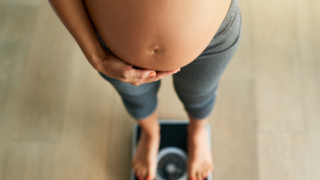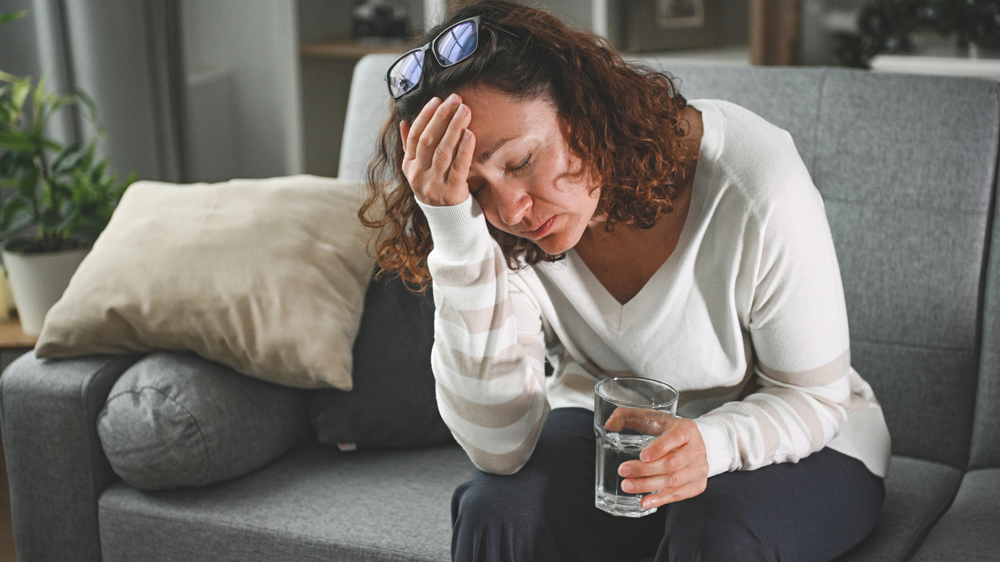
Pregnancy brings a surge of hormones that help your baby grow and prepare your body for childbirth. These same hormones also influence your brain chemistry, energy levels, and emotions. When they rise and fall, they can make you feel sensitive, sleepy, or unexpectedly teary. Understanding what is happening inside your body makes it easier to be kind to yourself and recognise that your mood swings are not a weakness — they are simply part of how your body adapts to nurture life.
In this article:
The Main Hormones That Shape Pregnancy
Oestrogen
Oestrogen increases dramatically during pregnancy and supports the growth of your baby and the placenta. It also boosts blood flow and prepares your body for delivery. However, this rise can intensify your emotions. You might feel deeply joyful one day and tearful the next. These mood shifts are part of your body’s natural adjustment to higher oestrogen levels.Progesterone
Progesterone helps maintain the health of the uterine lining, relaxes muscles, and prevents contractions from happening too soon. It also slows down digestion, which can make you feel tired or full. If your progesterone levels are too high, you might feel tired or sleepy. Some women say it makes them feel foggy or more sensitive than usual.Human Chorionic Gonadotropin (hCG)
This hormone is what pregnancy tests detect. It rises rapidly in early pregnancy and is responsible for nausea, fatigue, and sensitivity to smell. These symptoms often peak in the first trimester when hCG is at its highest. As levels stabilise, you may feel more emotionally balanced.Oxytocin
Oxytocin, also known as the "love hormone," makes the bond between you and your baby stronger. It rises during labour and breastfeeding, making you feel warm, loving, and calm. A lot of mothers say that oxytocin is the emotional glue that keeps them connected to their baby even before birth.Prolactin
Prolactin prepares your body for milk production and may heighten emotional sensitivity. Many women report feeling more nurturing or protective as prolactin rises, especially in the later months of pregnancy.Trimester by Trimester: Hormonal Changes and Mood
First Trimester: The Rollercoaster Begins
Hormones rise the most quickly in the first three months. Increasing levels of oestrogen and progesterone get the body ready for pregnancy, but they can also make you feel sick, tired, and cranky. As your body adjusts to it, you may feel both excited and anxious. A lot of women also feel more emotional when they are tired or in pain. Rest, drinking enough water, and seeking support from loved ones can help guide you through this phase. Keep in mind that this is just a phase, and your emotional balance will come back.Second Trimester: The Emotional Balance Returns
The second trimester is often called the "honeymoon phase" of pregnancy, as things become more stable. Hormone levels stabilise, light sickness subsides, and energy levels increase. Many women report feeling calmer, more energetic, and more emotionally stable during this time. The growing bond with the baby also brings happiness and excitement.Third Trimester: Preparing for Birth and Beyond
As delivery approaches, hormones shift again to prepare for labour and breastfeeding. You may feel more emotional, anxious, or restless. It is entirely natural — your body is preparing for a significant transition. Oxytocin begins to rise, strengthening emotional bonding and encouraging nesting instincts. Gentle exercise, meditation, or prenatal yoga can help alleviate tension and promote a sense of calm.When Mood Changes Feel Overwhelming
Mood swings are expected during pregnancy, but if you feel sad, anxious, or detached all the time, it could be a sign of prenatal depression or anxiety. These conditions are common and can be treated with professional help. If you talk openly with your doctor, midwife, or counsellor, you can be sure to get the proper care right away. You should seek support if you notice:- Continuous sadness or hopelessness
- Loss of interest in usual activities
- Excessive guilt or self-blame
- Trouble sleeping or eating properly
- Persistent fear or panic
How to Stay Emotionally Balanced During Pregnancy
- Rest and Recharge: Adequate rest helps stabilise hormone function and reduces emotional fatigue. Listen to your body and allow yourself to slow down.
- Eat Balanced Meals: Nutrient-rich foods, such as leafy greens, eggs, and nuts, support hormonal regulation. Avoid skipping meals to prevent dips in blood sugar, as this can trigger irritability or a low mood.
- Stay Connected: Share your feelings with your partner, family, or friends. Honest conversations reduce emotional isolation and make the journey feel lighter. Remember, you have a strong support system around you, ready to listen and help.
- Practise Mindfulness: Deep breathing, meditation, or simply spending time in nature helps your body regulate cortisol, the stress hormone. Mindfulness keeps you anchored in the present moment.
- Seek Professional Support When Needed: If mood changes significantly impact your daily life, consider reaching out for professional help. Counselling, therapy, or prenatal support groups can provide tools for emotional balance.
Myths About Hormones and Mood During Pregnancy
Myth: Mood swings mean you are weak or overreacting
In truth, they are physiological. Hormones and body changes make emotions stronger — it is your body’s natural rhythm.Myth: Feeling sad means you are not happy about your pregnancy
Many women love their pregnancy but still feel anxious or tearful. Emotional shifts are biological, not a reflection of your feelings towards motherhood.Myth: Hormonal mood changes stop after birth
While hormone levels adjust after delivery, postpartum changes can also affect emotions. Continued care and support remain vital in the early months.By understanding how your hormones work, you can replace guilt with compassion and confusion with awareness. Embrace the ups and downs as part of your unique journey, because behind every mood shift is a body doing something extraordinary.
Whether you’re pregnant, a new mom, or navigating postpartum, you don’t have to do it alone. Join our support group to connect, share, and support one another.
FAQs on Understanding Pregnancy Hormones and Their Mood Effects
- Why do I cry so frequently during pregnancy?
Fluctuating oestrogen and progesterone levels affect serotonin, making emotions more intense. Crying is a normal response to hormonal changes. - How can I naturally manage mood swings?
Regular sleep, nutritious meals, gentle exercise, and open communication with loved ones can help stabilise mood. - Can pregnancy hormones cause anxiety?
Yes. Rapid hormonal changes can heighten stress sensitivity. If anxiety feels persistent, consult your doctor for guidance.