In this article:
When Fertility Returns Postpartum
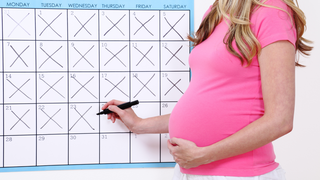
Fertility returns even earlier than most women expect. Return on fertility depends on breastfeeding and maternal health, and these factors have varying impacts on different individuals. Breastfeeding majorly affects fertility returns. The increased prolactin levels needed for milk production suppress ovulation. If a mother is exclusively breastfeeding or frequently nursing, ovulation may be delayed for months or even a year. Reduction of breastfeeding, early weaning, or including formula milk may return fertility sooner than expected.For non-breastfeeding women, menstruation and ovulation typically resume after 6 to 12 weeks postpartum. Ovulation ranges for non-lactating women are between 45 and 94 days after childbirth. However, not every woman gets her period before 6 weeks. Only a small number of women ovulate sooner, which may put them at risk of unintended pregnancy.
Hormonal Birth Control Methods
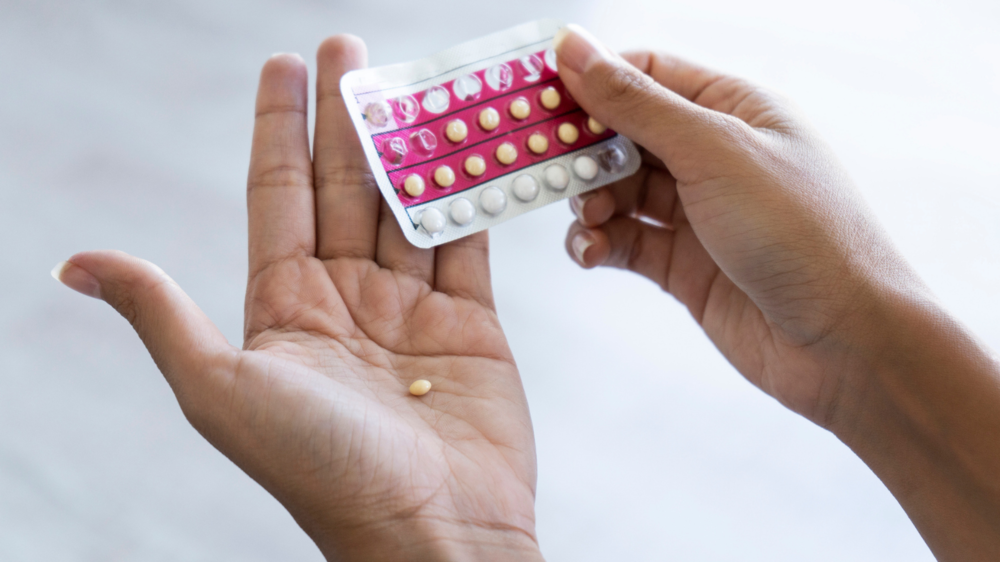
Hormonal birth control methods come in various forms, including oral contraceptives, Progestin-only pills, injections, patches, vaginal rings, implants, and hormonal IUDs. Let's take a look at each of them:- Progestin-Only Methods: Often recommended for breastfeeding mothers as it does not suppress milk supply. It comes in pills and implants and can start immediately after birth or after 6 weeks. Since it has only progestin, it helps by thickening the cervical mucus to prevent sperm penetration and suppressing ovulation. These are safe for women who cannot take estrogen, and it has a lower cardiovascular risk. Progestin-only methods may increase irregular bleeding and spotting. Some women may also experience mood changes and breast tenderness.
- Combined Hormonal Contraceptives: It includes oral contraceptives, a transdermal patch, and a vaginal ring. This is not widely recommended during early postpartum and for breastfeeding. Hormonal contraceptives thicken the cervical mucus, which blocks sperm penetration. Regular use helps regulate the menstrual cycle, reducing cramps and menstrual bleeding.
Hormonal Intrauterine Devices
It releases levonorgestrel in the uterus to thicken the cervical mucus to avoid sperm penetration. The power of IUDs often lasts from 3 to 7 years. This can be used for women who deal with heavy bleeding to reduce cramps and bleeding. Since it doesn't significantly affect milk supply, these are also a great option for breastfeeding mothers.Non-Hormonal and Natural Methods
Non-hormonal contraceptive methods include natural birth control methodsthat don't use hormones.● Copper IUD: Most effective non-hormonal birth control method where the copper ions are released, which affects the sperm by reducing its viability.
● Barrier Methods: Maconforms, diaphragms, cervical caps, and contraceptive sponges are used for birth control Condoms prevent pregnancy and STIs.
● Spermicides: Chemicals like nonoxynol or newer gels are used to immobilise the sperm to control pregnancy.
Breastfeeding Considerations
Most people believe that birth control methods after childbirth may affect nursing babies. While the concern is acceptable, the right options do not hinder breastfeeding.● Women who are exclusively breastfeeding, breastfeeding itself is a natural contraceptive method. Exclusive breastfeeding without supplement intervention delays fertility return for months and gives protection against unintended pregnancy, however alternative contraception methods need to be used.
● Combined oral contraceptives may reduce milk supply and let-down in breastfeeding mothers as they affect prolactin, a hormone important for maintaining lactation.
● Progestin-only methods are often a suitable choice, as they do not significantly impact milk supply.
● Non-hormonal methods, including copper IUD, condoms, diaphragms, and sponges, are also safe during breastfeeding.
Myths and Facts on Postpartum Birth Control
Myth: You can't get pregnant while breastfeedingTruth: You can only delay fertility through the Lactational Amenorrhea Method while breastfeeding. Breastfeeding is not a reliable contraceptive.
Myth: You have many months to start birth control after delivery
Truth: Ovulation can occur quickly after delivery, even before menstruation begins. Starting contraception soon can help you prevent unplanned pregnancies.
Myth: Let your body rest before starting birth control
Truth: Start contraception immediately at the first postpartum visit. Delaying birth control steps may increase the risk of a closed-space pregnancy.
Myth: Contraception affects fertility
Truth: Contraception does not negatively affect long-term fertility. Within 1 year of stopping birth control, women can get pregnant easily.
Myth: Fertility doesn't return until the period returns
Truth: Ovulation comes even before the postpartum period or as early as six weeks postpartum, increasing the chances of pregnancy in unprotected sex.
Starting contraception methods immediately after birth promotes protection. Discuss with your doctor before birth about the type of birth control methods they have, long-term and short-term plans, and your breastfeeding preference to steer clear of any doubts. If starting right from birth is not possible, start after 6 weeks if you are breastfeeding and anytime for non-lactating mothers.
Birth control is more than a personal choice. Even if you are mentally prepared for a short-interval pregnancy, it might hurt the baby’s growth and maternal health and may result in a preterm and lower birth weight baby. If hormonal contraceptives feel like a hassle, opt for natural methods like protected sex and breastfeeding.
Whether you’re pregnant, a new mom, or navigating postpartum, you don’t have to do it alone. Join our support groupto connect, share, and support one another.
FAQs on Post-Baby Contraception Methods: Safe Options For Young Parents To Explore
- WHO guidelines on postpartum contraception?
The World Health Organisation recommends starting contraception methods after 6 weeks of childbirth for lactating mothers. For non-lactating mothers, anytime after birth is safe to start contraception. - How fast does birth control dry up breast milk?
Non-hormonal, natural, and progestin-only methods don't hinder breast milk supply or level. However, estrogen-based contraceptive methods will reduce milk supply within a week.
- WHO guidelines on postpartum contraception?
The World Health Organisation recommends starting contraception methods after 6 weeks of childbirth for lactating mothers. For non-lactating mothers, anytime after birth is safe to start contraception. - How fast does birth control dry up breast milk?Non-hormonal, natural, and progestin-only methods don't hinder breast milk supply or level. However, estrogen-based contraceptive methods will reduce milk supply within a week.