In this article:
Why City Pollution Is More Harmful During Pregnancy
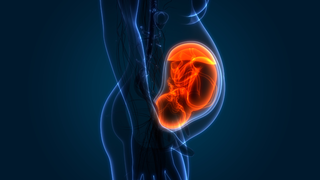
Your baby grows rapidly in the womb. Even small environmental changes can influence foetal development. Pollutants such as PM2.5, nitrogen dioxide, and traffic-related toxins enter your bloodstream when you inhale them. These particles cross the placenta and reach your baby. Since your baby’s organs are still forming, they are more vulnerable to these toxins.How Polluted Air Reaches the Placenta
Studies show that tiny pollutant particles can travel through your lungs and enter your bloodstream. Once in the blood, they reach the placenta. The placenta protects your baby, but it cannot filter out every toxin. Pollution particles may:- Nitrogen dioxide exposure is linked to a smaller head circumference.
- High pollution days increase the chances of restricted foetal growth.
Pollution and Its Impact on Baby’s Brain Development
The foetal brain grows rapidly and depends on a steady supply of oxygen. Pollution reduces this oxygen flow and increases inflammation. Data from city-based studies show that high exposure to polluted air during pregnancy may:- Affects early brain connectivity.
- Influence cognitive development.
- Increase the chances of sleep or behavioural issues later.
Effects on Baby’s Lungs
Babies exposed to pollution in the womb may be born with:- Reduced lung capacity.
- Higher sensitivity to infections.
- Increased risk of childhood asthma.
Pollution and Preterm Birth Data
Pollution spikes, especially during rush hour or bad weather, are consistently linked to preterm birth in urban pregnancy data. You are more likely to give birth before 37 weeks if you are exposed to PM2.5 and nitrogen dioxide. Premature birth may result from inflammation or stress reactions brought on by pollution. Reducing exposure during pregnancy greatly lowers this risk.The Effects of Pollution on the Placenta
Between you and your unborn child, the placenta serves as a lifeline. It is impacted by pollution in multiple ways:- Slows the movement of nutrients.
- Causes an increase in inflammation.
- May change the size or shape of the placenta.
- Decreases its effectiveness during the last trimester.
Long-Term Impacts on the Health of Your Infant
Babies exposed to high pollution levels in the womb may carry some long-term risks, such as:- Higher chances of allergies
- Increased respiratory issues
- Slower cognitive growth
- Increased sensitivity to environmental stress
How You Can Reduce Pollution Exposure During Pregnancy
Even if you live in a polluted city, you can take small steps to reduce risk:- Avoid walking near high-traffic roads during peak hours.
- Use indoor air purifiers.
- Nutrition that helps your body fight pollution.
- Fruits such as oranges, grapes and pomegranates
- Leafy greens for natural antioxidants
- Nuts and seeds for healthy fats
- Warm home-cooked meals that support digestion
- Adequate hydration for better toxin clearance
Encouraging Your Mental Well-Being in Contaminated Settings
Emotional strain during pregnancy may be exacerbated by pollution-related stress. Easy self-care techniques support your body's equilibrium:- When the air quality is poor, spend more time indoors.
- Engage in mild breathing techniques.
- Include brief rest intervals throughout the day.
- Keep your evening routine leisurely.
City pollution affects foetal development more deeply than most expect. Pollutants can cross the placenta, reduce oxygen flow and influence your baby’s growth, brain development and long-term health. Real data shows clear links between polluted air and lower birth weight, slower lung development, altered hormone balance and preterm birth.
While you cannot completely change your environment, you can protect yourself through small, consistent habits. Clean indoor air, mindful outdoor timing, good nutrition and emotional well-being help your body create a safer environment for your baby. Awareness and simple steps can make a meaningful difference during pregnancy.
Whether you’re pregnant, a new mom, or navigating postpartum, you don’t have to do it alone. Join our support group to connect, share, and support one another.
FAQs on How City Pollution Affects Foetal Development — Real Data And Insights
- Can pollution affect my baby even in early pregnancy?
Yes. Early pregnancy is highly sensitive, and exposure to pollution can influence foetal growth and placental development. - Does staying indoors protect me from city pollution?
It helps when windows are closed, and indoor air quality is maintained with purifiers or ventilation. - Can nutrition reduce the effects of pollution?
Nutrition cannot remove pollution, but antioxidant-rich foods help reduce inflammation and support your body’s resilience.