Times Future of Maternity 2026 | India's Largest Maternity Ecosystem Gathering

Preventing Birth Asphyxia: How Good Prenatal Care and Skilled Delivery Make a Difference

Birth asphyxia is a severe yet preventable condition which requires timely prenatal care and skilled delivery practices. Understanding how good prenatal care and skilled delivery are crucial to eliminating the risk of birth asphyxia. Furthermore, providing quality care throughout pregnancy and childbirth may help healthcare professionals enhance the safety and long-term health of newborns.

Pregatips.com
preventing birth asphyxia prenatal care skilled delivery
Birth asphyxia is one of the significant causes of neonatal complications worldwide. Though there are advancements in maternal and neonatal science, many babies still face oxygen deprivation right after their delivery.
The cause of birth asphyxia doesn’t arise from unpredictable emergencies, but from unmanaged maternal conditions, gaps in prenatal monitoring, or delayed response during childbirth. Thus, good prenatal care and skilled delivery are crucial to reducing the risk of such a condition and improving a mother’s life.

Let’s understand how prenatal care and skilled delivery practices work together to protect newborns and help them lead healthy lives.


What is Birth Asphyxia?

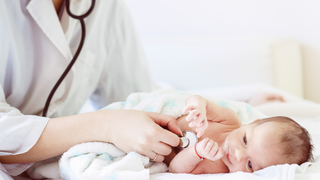
Birth asphyxia refers to the condition in which a baby doesn’t get enough oxygenbefore, during, and after delivery. When oxygen levels drop, a newborn’s vital organs, including the brain, heart, and kidneys, cannot function properly. Furthermore, inadequate oxygen may lead to immediate complications such as low muscle tone, poor breathing, or an abnormal heart rate, and, in some cases, to long-term developmental challenges.

Because birth asphyxia is a serious medical emergency, early diagnosis and prompt medical attention are essential to protect the newborn’s health.

How Does Good Prenatal Care Prevent Birth Asphyxia?

Good prenatal care plays a crucial role in identifying maternal and foetal complications, which ultimately reduce the risk of birth asphyxia. Here’s how good prenatal care helps prevent birth asphyxia.

  • Early Detection of Maternal Health
Regular antenatal checkups help identify underlying risk factors such as high blood pressure, gestational diabetes, infections, anaemia, or thyroid disorders. Furthermore, managing these conditions early may ensure a healthier pregnancy and reduce the risk of oxygen-related complications during delivery.

  • Monitoring Foetal Growth & Placental Position
Performing timely ultrasound scans and Doppler studies may help monitor foetal movements, amniotic fluid, and placental function. If there’s any sign of reduced blood flow, signs of foetal distress, or restricted growth, proper and timely prenatal care may help protect the health of both the mother and the baby.
  • Balanced Nutrition & Maternal Well-Being
A mother’s nutrition plays a crucial role in evaluating the baby’s development and oxygen levels. Good prenatal care ensures a well-balanced diet for the mother, which helps maintain healthy haemoglobin levels and good placental function. Furthermore, avoid smoking, alcohol, and tobacco to reduce the risk of hypoxia.

  • Birth Planning & Risk Evaluation
Regular prenatal visits may help doctors evaluate whether the mother is at risk of labour or not. For women with high-risk pregnancies, doctors may recommend a personalised birth plan, which includes options such as induction of labour, continuous foetal monitoring, or a planned C-section. Knowing the risks beforehand allows the medical team to plan accordingly, ultimately reducing the risk of unexpected pregnancies that could compromise the newborn’s health.

How Does Skilled Delivery Reduce the Risk of Birth Asphyxia?

Proper, timely care during delivery plays a crucial role in preventing birth asphyxia and ensuring the good health of the mother and the baby. Here’s how skilled and well-coordinated care during labour may reduce the risk of birth asphyxia.
  • Continuous Monitoring During Labour
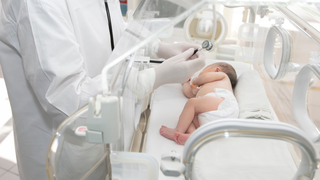
Skilled and dedicated healthcare providers may use specialised, advanced foetal monitoring tools to monitor the baby’s heart rate throughout labour closely. It helps doctors detect early signs of oxygen deprivation, such as abnormal heart rate patterns, before they become serious. Furthermore, skilled delivery helps prevent prolonged foetal distress and protects the baby from asphyxia-related complications.

  • Management of Complications
During childbirth, complications may arise unexpectedly, but a trained obstetric team can handle them effortlessly. Doctors may easily manage concerns such as umbilical cord compression, prolonged or obstructed labour, placental problems, or sudden problems in the mother’s blood pressure. Therefore, skilled and timely delivery is crucial to preventing such issues from escalating into oxygen emergencies for the baby.

  • Safe Use of Labour Interventions
Skilled doctors may professionally use interventions such as labour induction, forceps or vacuum-assisted delivery, and emergency C-sections to reduce unnecessary risks during labour. When you choose specialised and certified doctors, their expertise minimises complications, protects maternal health, and helps maintain stable oxygen levels for the baby during delivery.

Birth asphyxia is a serious yet preventable condition. However, preventing asphyxia starts with good prenatal care and having skilled healthcare professionals during delivery. Furthermore, regular checkups, proper monitoring, and timely medical support may significantly reduce the risk for both the mother and the baby. Providing adequate care at every stage of pregnancy will ensure that babies can be born healthy.

Whether you’re pregnant, a new mom, or navigating postpartum, you don’t have to do it alone. Join our support group to connect, share, and support one another.

FAQs on Preventing Birth Asphyxia: How Good Prenatal Care and Skilled Delivery Make a Difference

  1. Does c-section eliminate the risk of birth asphyxia?

    No. While c-sections may help in many emergencies, asphyxia may occur before labour begins. Remember that good prenatal care and skilled delivery are essential for a healthy, safe delivery.
  2. Do hormonal changes impact skin and hair health as we age?Yes, hormonal changes with age can impact hair and skin. It can cause changes like reduced collagen production, hair thinning, and dry skin.

How we reviewed this article
Our team continuously monitors the health and wellness space to create relevant content for you. Every article is reviewed by medical experts to ensure accuracy.
Times Future of Maternity 2026 | India's Largest Maternity Ecosystem Gathering