In this article:
What Does It Mean for the Uterus to Shrink Back?
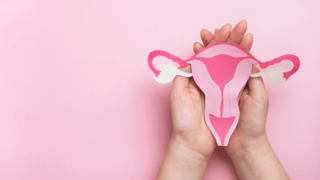
The uterus returns to its normal size by continuing the contractions after delivery. This process is called involution.The uterus can weigh around 1 kilogram and can be felt around your belly button right after childbirth. It reduces to around 60-80 grams and settles in your pelvis over the next six weeks. You may feel the contractions, which help control bleeding and are a natural part of recovery.
How Long Does Uterine Shrinking Usually Take?
The involution process can take about 6 to 8 weeks, but the timeline varies for each individual. Recovery from childbirth is not the same for everyone because of various health and lifestyle reasons. So, the uterus can also take up to 12 weeks to shrink back.What Can Slow Down the Uterus from Shrinking?
The factors responsible for the uterus's return to its normal size are listed below:- The muscles of your uterus may not shrink easily if you have had more than one baby.
- Carrying a larger baby or multiples requires your uterus to expand further, so it takes extra time to tighten.
- In some cases, small pieces of placenta or membranes remain in the uterus, which may interfere with its ability to contract properly.
- Infections in the uterus can cause inflammation, pain, and further delay the shrinking process.
- Breastfeeding helps your body release oxytocin, a hormone that triggers uterine contractions. The shrinking slows down if you are not breastfeeding for whatever reason.
- Low iron and inadequate nutrients can slow healing and reduce muscle strength.
- Limited movement can affect blood circulation and slow the recovery.
How Can You Tell if Your Uterus Is Taking Longer to Shrink?
You may notice the signs mentioned below:- Your abdomen still feels firm and large weeks after birth
- You continue to have heavy or bright red bleeding beyond two weeks
- You are passing large blood clots
- You have a foul-smelling discharge (lochia)
- You feel pelvic pain, have a fever, or tenderness
Is It Dangerous If the Uterus Shrinks Slowly?
The time it takes for the uterus to shrink varies. Therefore, you can expect some variation. It may improve with rest and breastfeeding. However, some cases experience slow shrinkage, which can be concerning and lead to the following complications:- Excessive bleeding (postpartum haemorrhage)
- Infection
- Delay in healing
What Can You Do to Help Your Uterus Shrink Naturally?
The following tips can help you recover faster after childbirth:- Breastfeed as much as you can because your body releases oxytocin each time you do it. It can make your uterus contract. You may even feel mild cramps during feeding, which is a good sign!
- Take short walks and do simple movements to improve circulation and healing.
- Eat nutritious foods, such as iron-rich foods (like spinach, lentils, and lean meat) and vitamin C, to rebuild strength.
- Massaging your lower abdomen can stimulate contractions and reduce bloating.
- Your body recovers better when you get enough sleep, so try to get some rest.
- Straining can increase abdominal pressure, so eat fibre-rich foods to avoid constipation.
When Should You Worry or See a Doctor?
While some signs are not concerning, the following ones require urgent medical attention:- Heavy bleeding that soaks a pad in an hour
- Cramps that don’t ease with rest
- Foul smell in the vaginal discharge
- Sharp pelvic pain or swelling
- Dizziness or extreme fatigue
Emotional and Social Aspects of Recovery
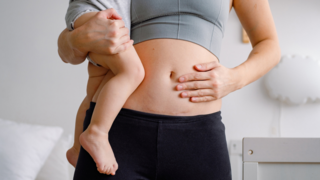
You may focus on recovering physically, but your mind needs healing, too. Your confidence can be low if you still see your belly swollen weeks after birth. Talking with your loved ones can ease your worries and also help you process these changes positively. Your body is healing after nurturing a baby for nine months, so it is okay if it takes time.What To Do Next: A Simple Checklist
- Track your bleeding pattern
- Massage your abdomen once a day
- Breastfeed regularly to encourage contractions
- Eat healthy foods and increase your fluid intake
- Avoid lifting heavy weights too soon
- Schedule your postpartum check-up within six weeks
- Share your recovery experience honestly with your doctor
Whether you’re pregnant, a new mom, or navigating postpartum, you don’t have to do it alone. Join our support group to connect, share, and support one another.
FAQs on Why the Uterus Sometimes Takes Longer to Shrink Back?
- Can I do anything to make my uterus shrink faster?
Breastfeeding, light exercise, and drinking water can help shrink your uterus. They allow natural release of the hormones to improve circulation. - Is it normal to still look pregnant a few weeks after delivery?
Your uterus and abdominal muscles may take several weeks to return to their normal flatness. So, you may appear pregnant even after delivery. - What if my doctor says I have retained tissue?
Retained placenta or membranes may require treatment or a minor procedure to remove them. Your uterus starts to shrink again, as it should after treatment ends.