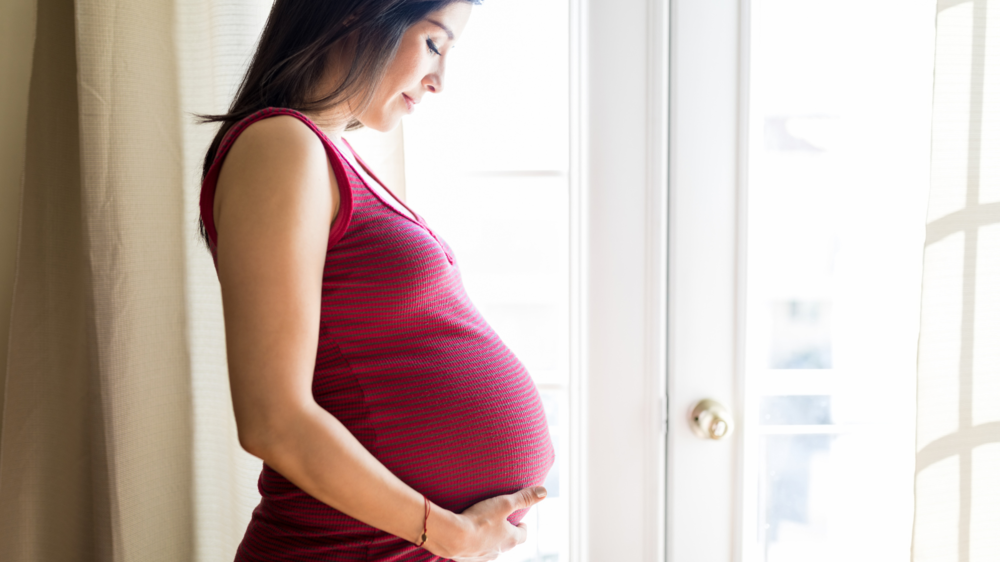
Why Your Emotions Change During Pregnancy
It is truly informative to understand why your mood changes as you enter the next stage of pregnancy. During the three trimesters, the hormones oestrogen and progesterone undergo the biggest changes. Changes in hormones may affect the amount of mood-related brain chemicals called neurotransmitters, which help to manage our moods. Although going through emotional changes is normal, the intensity and frequency might be different for each person.In this article:
- Sleep disturbances
- Troubles related to money or problems at home
- Suffering from a previous loss or not being able to have a baby
- Experiencing problems with mental health over time
- How much social support you receive
All of these play a big role in how your emotional health changes during that time.
First Trimester (Weeks 1–12): Navigating the Unknown
The first trimester comes as a surprise, especially if the pregnancy is unexpected, has taken time to achieve, or follows a past loss.
Most of the women share similar emotional experiences.
- Unexpected swings in your mood may lead you to feel very emotional about little things or annoyed for no clear reason. This tends to happen because of the changes in your hormones.
- It is normal to have questions about your readiness and hesitate about the upcoming changes in your life.
- Being tired can sometimes result in you pulling away emotionally from what’s happening.
- Fear of Miscarriage: It’s typical in those first weeks to be anxious in case something goes wrong. This fear is something that people should take seriously.
- Remember to rest your body as well as your mind, as these kinds of fatigue tend to affect each other.
- Connect with a trusted person, as just letting out your feelings can help you see things more clearly.
- Nothing is wrong with feeling more like yourself right now than full of excitement all the time.
The Second Trimester (Weeks 13–26): A Time for Emotional Breathing Room
Often said that being in the second trimester is when you feel less nauseous and have more energy than during the first trimester. Things may begin to feel easier in your physical, as well as in your emotional world.
Typical emotions that people encounter:
- Being more hopeful, you may feel more connected with your pregnancy and even find it enjoyable.
- When you start noticing your baby move, it can make you feel a strong connection.
- Changing Your Body: Since your body is changing more quickly, you might have to try to accept your new form.
- You may notice changes in the way your partner, family or friends respond to you, which could be both reassuring and slightly hard to understand.
- As you get ready for delivery, bills or raising a child can bring new layers of worry.
How to Deal with Emotions During the Second Trimester:
- Consider practising mindfulness or gentle prenatal yoga to give yourself some moments of emotional comfort.
- Start reading about parenting, but don’t let the information become too much for you.
- Try to express your emotions in a journal to notice how you have grown throughout your journey.
Third Trimester (Weeks 27–40): Getting Ready for Change
Feeling both enthusiasm and worry is very common as you move closer to your due date. When you have physical discomfort, this can intensify your emotions and lead to more than usual mood swings.Some Emotions Many People Experience:
- When you become pregnant, it’s common to have a strong urge to prepare your home for the baby.
- Often, people experience being irritable and feeling impatient.
- Uncertainties about Being Parents: Some people wonder if they will be good at parenting. or “How am I supposed to get through this?” tendencies like this become more obvious at this point.
- Many people are especially afraid of labour if they are pregnant for the first time or have had a difficult delivery.
- It’s normal to depend on others more during pregnancy, since you may need assistance and reassurance often, which can feel a bit uncomfortable.
Ways to Handle Emotions in the Third Pregnancy Trimester:
- Creating a birth plan with your doctor can calm some of your fears about what might happen.
- If you are able, take part in prenatal classes to improve your ability to manage labour and look after your baby.
- Remind yourself that everyone has their own feelings during the last weeks, and there isn’t just one way to feel. Having strong emotions makes sense, no matter what you are going through.
When to Seek Help
Everyone's emotions change throughout the journey of pregnancy. A lot of the time, you can recognise that it’s wise to seek help during these signs:- Constant feelings of dependency or sadness
- Having difficulty getting to sleep or eating a healthy meal because of emotional stress
- Living with panic attacks
- Not being excited about things you enjoy doing
- Having thoughts of harming yourself or your baby
FAQs on What to Expect Emotionally During Each Trimester
- Is it normal to cry a lot during pregnancy?
Absolutely! With all the hormonal changes and life adjustments, it’s pretty common to find yourself crying more than usual. But if it feels overwhelming or doesn’t let up, reaching out for emotional support or counselling can really help. - How can I create an emotional bond with my baby during pregnancy?
There are some lovely ways to connect, like talking to your baby, gently touching your belly, or including your partner in these special moments. Many find that seeing ultrasound scans really strengthens that bond, too. - Can pregnancy make existing mental health issues worse?
Yes, if you have a history of anxiety or depression, you might notice that pregnancy amplifies those feelings. It’s crucial to keep in touch with your mental health professional and keep your doctor updated. - Do emotional changes go away after delivery?
Not right away. Many new parents experience what’s known as the "baby blues" in the first few weeks after giving birth. Some may even face postpartum depression. Being aware of this ahead of time can help you spot the signs and seek support early on.