In this article:
Why Is Heat a Concern During Pregnancy?
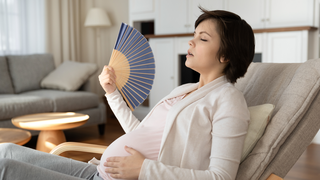
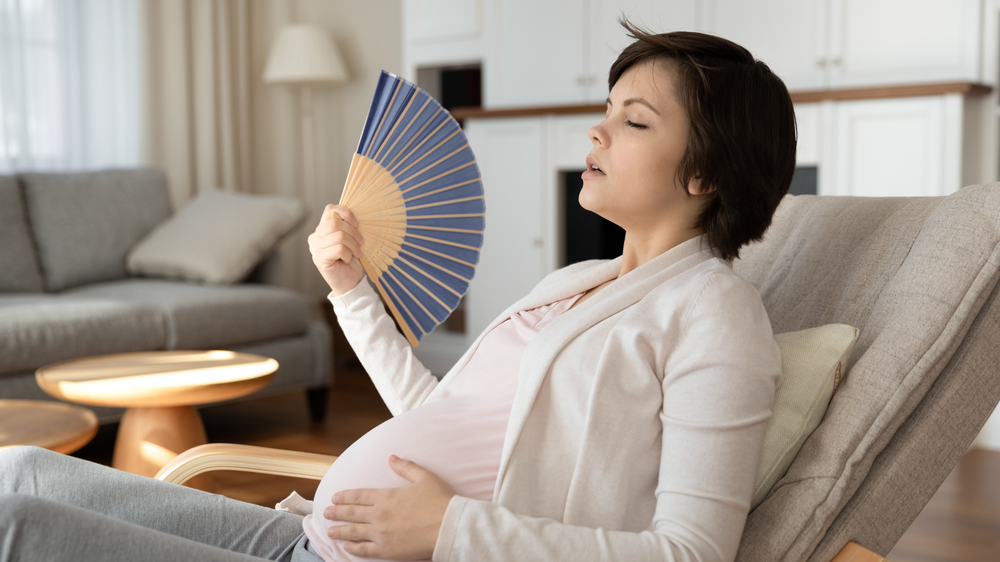
During pregnancy, your body works harder: there is more blood, more fluid, and more heat to release. Hot weather makes this even more difficult. Here are some key concerns:
- Your body’s temperature regulation is strained; the foetus cannot regulate its own temperature.
- Dehydration is more likely, which may reduce blood and oxygen flow to the placenta.
- High ambient temperature can trigger physiological stress in you and the foetus.
- In India, many pregnant people also work or live in conditions without adequate cooling, heightening risk.
How Does Heat Affect Birth Outcomes?
Here are some pathways and outcomes to keep in mind:
Outcomes
- Pre-term birth (before 37 weeks) is more likely with high heat exposure.
- Low birth weight (baby weighing less than expected) is linked to heat and other stressors.
- Miscarriage and stillbirth risks rise when exposure is high in critical periods.
- Maternal complications such as dehydration, heat stress, and possibly gestational hypertension or diabetes may also be influenced.
Why it happens
- Heat increases body temperature and may reduce placental blood flow.
- Dehydration reduces blood volume and may impair nutrient and oxygen delivery.
- Heat may trigger early labour via stress hormones or membrane rupture.
- In India, housing often lacks cooling or shading, and pregnant people may continue heavy work, particularly in the informal sector.
Special Concerns in India
Because of our climate, infrastructure and work patterns, India has specific added vulnerabilities:
- Many regions already face summer days of 40 °C or higher and high humidity; heatwaves are becoming more frequent and prolonged.
- Studies show that some Indian states like Goa, Kerala and Sikkim report high increases in heat-risk days for pregnancy.
- Pregnant people working in agriculture, construction or informal labour may be exposed to both heat and heavy work.
- Cooling infrastructure (such as shade, fans, and air conditioning) is unevenly available. Additionally, power cuts and blackouts are a significant issue in many regions.
- Social and economic factors matter: women in poorer communities face greater risk because they may lack access to care, cooling, rest, and nutrition.
What you can do to protect yourself or someone you care for
If you’re pregnant or supporting a pregnant person, it’s not about fear—it’s about being prepared. Here are practical steps:- Seek shade or a cooler space during the hottest part of the day (typically mid-afternoon).
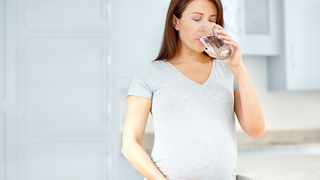
- Stay well hydrated—drink more water than you think you need, especially in hot weather.
- Avoid heavy physical work during the hottest parts of the day, or take frequent breaks. If you must work, try to do it during cooler hours.
- Wear loose, breathable clothing and a head covering if outside.
- Use fans or air conditioning when possible; even small steps help (open windows early in the morning or late in the evening when it's cooler).
- Ensure rest: take naps or pause work when you feel overheated or fatigued.
- Attend regular prenatal check-ups and tell your healthcare provider about heat exposure or stress.
- Monitor for signs of heat-related illness: dizziness, excessive sweating, rapid heart rate, frequent urination or dark urine.
- If you do not have air conditioning at home and the heat is extreme, plan to stay somewhere cooler, such as a family home or community shelter, especially during heatwaves.
Fortunately, many steps you can take are simple: stay cool, drink enough water, avoid heavy work during the hottest times, and talk to your healthcare provider. At the same time, our health system and policymakers need to recognise this problem and take action. By combining personal care with community support, we can better protect mothers and babies during climate change.
Whether you’re pregnant, a new mom, or navigating postpartum, you don’t have to do it alone. Join our support group to connect, share, and support one another.
FAQs on Rising Temperatures, Rising Risks: Pregnancy, Birth Outcomes and Heat in India
- Can short bursts of very high temperature cause problems during pregnancy?
Yes. Research shows that short periods of very high heat, like a few very hot days, can be a concern. For example, studies show that during heatwaves, the risk of preterm birth may go up by about 16% compared to normal days. In India, pregnant people exposed to high heat at work, even for short times, had a much higher risk of problems. One hot day does not always cause issues, but repeated or long exposure increases the risk. It is wise to keep cool during these times. - Are there certain stages of pregnancy when heat exposure is more risky?
Yes. Some studies suggest that heat is especially risky during the second trimester and the weeks just before delivery. For example, research from India and Pakistan found that higher temperatures in the second trimester were linked to more preterm births. Other studies show that women exposed to extreme heat in the first trimester had over three times the risk of problems. You should take heat precautions throughout pregnancy, but be extra careful during these important times.