The good thing is that you can manage this condition to avoid shoulder dystocia, a rare complication caused by GDM during childbirth.
What Is Shoulder Dystocia and How Does It Occur?
Shoulder dystocia is a condition in which your baby’s shoulders get stuck behind your pelvic bone after their head comes out of the birth canal. This situation makes it harder for your doctor to ensure a safe delivery.It lasts only a few seconds in most cases, but it can be serious if not managed quickly. Although shoulder dystocia is common in almost 0.2% to 3% of vaginal birth cases, the chances are higher if you have gestational diabetes.
What Happens in Gestational Diabetes?
Gestational diabetes occurs when your body cannot make enough insulin to control your blood sugar. The placental hormones can make it harder for insulin to function properly, leading to an increase in blood sugar levels.Your body may produce more insulin to compensate, but it is still not enough. The excess sugar in your blood also reaches your baby and makes them gain more weight around their chest and shoulders.
In this article:
Why Does Gestational Diabetes Raise the Risk of Shoulder Dystocia?
Shoulder dystocia is possible in your case due to the following reasons.- Bigger Baby Size (Macrosomia) – If you have GDM, your baby may weigh more than 4 kg (8.8 lbs). This condition is called macrosomia, and it increases the chances of your baby’s shoulder getting stuck during delivery.
- Uneven Fat Distribution – In GDM, most of the fat from excess sugar gets collected around the baby’s shoulders. It makes your baby’s shoulder broader and vaginal delivery more difficult.
- Prolonged Labour – High blood sugar levels can affect labour progress in some cases. This increases the likelihood of shoulder dystocia.
- Induction or Instrumental Delivery – You may be induced for labour or need instruments like forceps during delivery, which slightly raises the risk.
How Can You Know If You’re at Risk?
You cannot predict shoulder dystocia, but certain factors may point towards it.- You have gestational diabetes
- Your baby’s estimated weight is over 4 kg (8.8 lbs).
- You have had a large baby before
- You are overweight or obese before pregnancy
- You are carrying twins or multiples
- You have had shoulder dystocia in a past delivery
What Can You Do to Lower the Risk?
You can manage gestational diabetes to reduce the risk of shoulder dystocia in the following ways:1. Control Blood Sugar Levels
Your doctor may advise you to monitor your blood sugar levels regularly, which can reduce the risk of your baby gaining extra weight.2. Follow a Balanced Diet
You can manage GDM easily by incorporating complex carbohydrates, protein, and fibre into your diet regularly. However, limit sugary foods.3. Stay Active
Walking, prenatal yoga, or swimming are great options for your body to use insulin better in stabilising blood sugar. However, get your doctor’s approval before starting any routine.4. Attend Regular Check-Ups
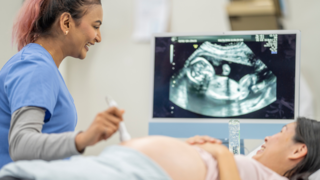
Going to your regular check-ups allows your doctor to monitor your baby’s weight through an ultrasound. They will suggest the best way to deliver if your baby is larger than expected.5. Discuss Delivery Options
Your doctor may even suggest a planned C-section if your baby’s weight is out of normal ranges to avoid complications.What Happens If Shoulder Dystocia Occurs?
Doctors are well-equipped to handle shoulder dystocia and manage to deliver the baby. It may include changing your position, gently manoeuvring the baby’s shoulder, or using medical instruments.You do not need to worry about any long-term problems, as most babies recover well. However, early detection of gestational diabetes allows you to manage it so that it can reduce the chances of this happening.
When Should You Contact Your Doctor?
You should reach out to your doctor if you experience the following signs:- Rapid weight gain in the later weeks of pregnancy
- High blood sugar readings despite following diet and medication
- Reduced fetal movements
- Excessive swelling, headaches, or blurred vision (possible signs of preeclampsia)
What To Do Next: A Simple Checklist
- Track your blood sugar daily
- Follow your doctor’s guidance on meals
- Stay active to manage your blood glucose levels
- Attend all prenatal appointments
- Discuss your delivery plan in advance
Emotional and Social Support Matters
Getting diagnosed with any condition in pregnancy can be difficult to cope with without support. Gestational diabetes is no different, and you may feel anxious about the way forward. However, discussing your concerns with your partner, family, or doctor can help alleviate them. They can help you maintain your blood sugar levels.Gestational diabetes can affect your pregnancy in several ways, and shoulder dystocia is one such complication. However, you can lower its risk by managing your blood sugar, staying active, and going to regular check-ups. Remember that it is possible to deliver safely with gestational diabetes when you manage it well.
Whether you’re pregnant, a new mom, or navigating postpartum, you don’t have to do it alone. Join our support group to connect, share, and support one another.
FAQs on Why Gestational Diabetes Increases the Risk of Shoulder Dystocia?
- Can shoulder dystocia be predicted before delivery?
Your doctor can assess the risk of shoulder dystocia in your case by checking your baby’s estimated weight, your health condition, and your pregnancy history. - If I have gestational diabetes, will I definitely have shoulder dystocia?
It is not necessary to have shoulder dystocia if you have gestational diabetes. The risk can be lower if you maintain your blood sugar levels and monitor them regularly. - Can I have a normal delivery if I have gestational diabetes?
You can deliver vaginally if you are in good condition and your baby’s size allows it. Your doctor can recommend a safe delivery method for you.