In this article:
Here are some ways to help you stay steady and confident during pregnancy.
Understanding Balance Changes During Pregnancy
Pregnancy affects balance mainly due to:- Shifted Centre of Gravity: The growing belly shifts the body’s centre of gravity forward, altering posture and weight distribution.
- Hormonal Effects: The hormone relaxin loosens joints and ligaments, which, though necessary for childbirth, may make ankles and knees less stable.
- Fluid Retention: Swollen feet or ankles can alter gait and cause discomfort while walking.
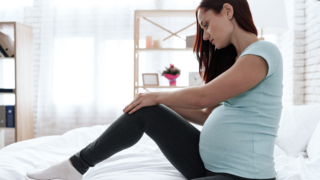
- Tiredness and Dizziness: Low blood sugar or fluctuations in blood pressure can sometimes cause light-headedness.
Mindful Movement: Everyday Body Awareness Tips
Making small changes in the way you move can help you keep your balance.1. Walk with Consciousness
- Take shorter, slower steps.
- Keep feet slightly apart for better stability.
- Avoid rushing, especially on wet or uneven surfaces.
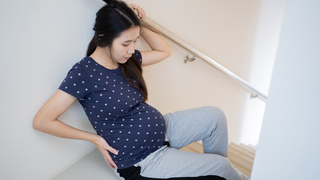
- Use handrails on stairs, even if it feels unnecessary.
2. Keep Posture in Check
Good posture supports balance and reduces strain.- Stand tall with shoulders relaxed, not slouched.
- Tuck the pelvis slightly under to reduce back arching.
- Avoid locking knees while standing for long periods.
- If needed, use a footrest to shift weight occasionally.
3. Avoid Sudden Movements
- Rise slowly from sitting or lying positions to avoid dizziness.
- Use support (like the edge of a bed or a stable surface) when getting up.
- Avoid bending at the waist. Instead, squat down with your knees bent and your back straight.
Safe Environments: Fall-Proofing Your Surroundings
A safe home helps support a safe pregnancy. Taking a few simple steps can lower risks around the house.1. Bedroom and Living Areas
- Keep floors clutter-free.
- Secure rugs with non-slip mats.
- Avoid polished or freshly mopped floors without shoes or slippers.
- Keep nightlights or dim lights on during nighttime bathroom trips.
2. Bathroom
- Use non-slip mats inside and outside the shower area.
- Install grab bars if the floor tends to get slippery.
- Keep towels within easy reach to avoid stretching or slipping.
3. Kitchen and Balcony
- Store frequently used items at waist height to avoid bending or stretching.
- Always wear anti-slip slippers in wet zones.
- Keep balcony railings secure and free of clutter.
Strengthening Balance Through Gentle Exercise
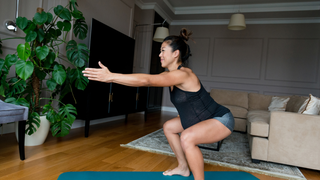
Staying active during pregnancy helps with balance, posture, and muscle strength. It’s important to choose safe exercises and get proper guidance.1. Yoga for Stability
Prenatal yoga can help you become more flexible, strengthen your legs, and improve your body awareness. Poses like Tadasana (Mountain Pose) or Vrikshasana (Tree Pose with support) are good for balance.2. Walking
Walking at a steady pace on flat ground helps your circulation, posture, and stamina. Taking a walk in the morning or evening in a quiet place can also help you relax.3. Gentle Stretching
Stretching helps release tension and keeps your joints flexible. Avoid deep backbends and twisting movements that put strain on your belly.4. Pelvic and Core Exercises
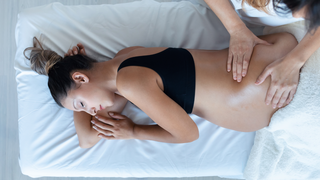
Strengthening your pelvic muscles helps you maintain good posture and lowers the risk of back pain, which also improves balance. Ask a prenatal fitness expert for safe exercise options.Footwear and Clothing Choices
The clothes and shoes you wear can affect your movement and balance.- Footwear: Wear shoes with firm soles and good grip. Avoid heels or loose slippers.
- Clothing: Choose comfortable, breathable fabrics that let you move easily. Avoid clothes that are too long and could make you trip.
- Support Gear: Maternity belts or supports can help you keep good posture, especially in the third trimester.
When to Seek Medical Attention
You don’t need to see a doctor for every small stumble, but it’s always best to be careful.Seek medical advice if:
- A fall leads to pain in the abdomen, back, or pelvis.
- There is bleeding, dizziness, or reduced foetal movement after a fall.
- You experience repeated balance issues or sudden loss of coordination.
Emotional Balance Matters Too
Balance is not just physical; it’s also emotional. Pregnancy causes hormonal changes that can lead to stress or anxiety. Keeping your mind calm can help your physical balance as well.Try:
- Deep breathing or mindfulness exercises.
- Light music or short meditative breaks.
- Connecting with loved ones or joining prenatal support groups.
Pregnancy changes your body in many wonderful ways. By staying aware, being mindful, and making a few lifestyle changes, you can stay steady at every stage. Preventing falls and injuries is not about limiting yourself; it’s about moving wisely, staying present, and respecting your body’s changes. Balance starts with awareness.
Whether you’re pregnant, a new mom, or navigating postpartum, you don’t have to do it alone. Join our support group to connect, share, and support one another.
FAQs on Practical Balance and Body Awareness Tips to Avoid Falls in Pregnancy
- Is it safe to exercise if I already feel unsteady during pregnancy?
Yes, but only under guidance. If balance feels unstable, consider low-impact exercises like walking, prenatal yoga, or swimming. Avoid activities that require quick direction changes or standing on one foot without support. A physiotherapist or prenatal trainer can suggest tailored exercises to strengthen stability safely and effectively. - How can I manage dizziness and prevent falls during the later months of pregnancy?
Dizziness in late pregnancy is often associated with poor posture, low blood sugar, or dehydration. Rise slowly from sitting or lying positions, eat small, frequent meals, and drink plenty of water. If dizziness persists, rest immediately and consult a healthcare professional to rule out blood pressure issues or anaemia.