In this article:
Understanding Why Posture Matters During Pregnancy
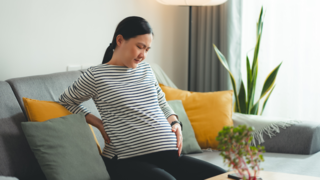
- Shift in centre of gravity: As the baby grows, weight distribution changes, making the lower back curve more pronounced.
- Hormonal influence: The hormone relaxin softens joints and ligaments, preparing the body for childbirth, but this also increases the risk of strain and instability.
- Increased body weight: The spine supports additional weight, placing greater pressure on the lower back and pelvis.
- Muscle fatigue: Muscles around the spine work harder to maintain posture, leading to discomfort if not adequately supported.
Correct Sitting Posture
Most daily activities involve sitting, such as working, eating, resting, or reading. Proper sitting posture helps reduce pressure on the spine and pelvis.Tips for Safe Sitting:
- Sit with the back straight, shoulders relaxed, and buttocks touching the back of the chair.
- Keep both feet flat on the floor or on a small footrest.
- Avoid crossing legs, as it can restrict blood flow.
- Use a small cushion or rolled towel to support the lower back.
- Stand up and stretch every 30–40 minutes to release spinal tension.
- Sitting on very soft or sagging surfaces for long durations.
- Slouching or leaning forward excessively.
Safe Standing Posture
Standing correctly helps maintain spinal balance and prevents back and pelvic pain.While Standing:
- Distribute body weight evenly on both feet.
- Keep your knees slightly bent and avoid locking them.
- Avoid leaning back or arching the lower back.
- Pull the shoulders gently backwards and keep the chin parallel to the floor.
- If you need to stand for a long time, such as when cooking, place one foot on a small stool and switch feet every so often.
Even a few minutes of poor standing posture can strain your lower back. Paying attention to how you stand can make a significant difference in maintaining comfort.
Safe Sleeping and Resting Postures
Sleep is vital for recovery, but finding a comfortable position during pregnancy can be challenging.Best Sleeping Positions:
- Sleep on your left side, as it enhances blood flow to the uterus and kidneys.
- Bend the knees slightly and keep a pillow between them for hip and back support.
- Use an additional pillow under the abdomen for comfort.
- Keep your spine straight, not twisted or overly curved.
- Sleeping on one's back for long hours, especially in later months, may reduce blood circulation.
- Lying flat on the stomach after the first trimester.
Safe Bending and Lifting Techniques
Everyday activities like picking up items, tying your shoes, or cleaning can put extra pressure on your back. Learning safe ways to bend and lift can help prevent strain.For Bending:
- Bend the knees, not the waist.
- Keep the back straight and move slowly.
- Support the upper body with one hand on a stable surface if needed.
- Avoid lifting heavy objects entirely.
- If lifting a small item is necessary, squat gently and lift using the legs, not the spine.
- Hold the object close to the body to maintain balance.
Workplace Ergonomics for Pregnant Individuals
In many Indian workplaces, long hours spent sitting can intensify back discomfort. Adjusting the workstation setup can make a remarkable difference.At the Desk:
- Use a chair with proper back support or add a lumbar cushion.
- Keep the computer screen at eye level.
- Adjust chair height so that elbows form a 90-degree angle while typing.
- Keep feet flat on the ground or on a low footrest.
- Take frequent breaks to walk or stretch lightly.
Even a dining chair can be made more comfortable. Placing a small pillow behind your lower back and using a low stool for your feet can help create better support.
When to Seek Professional Help
If persistent pain, numbness, or weakness occurs in the back, hips, or legs, consult a healthcare provider immediately. Physiotherapists trained in prenatal care can offer tailored guidance and safe exercises.Ignoring back pain can lead to postural issues that may persist beyond pregnancy. Early care ensures quicker recovery after childbirth.
Protecting your spine during pregnancy is about finding balance, both physically and emotionally. Every posture, movement, and moment of rest helps care for your body and your baby. By using safe ergonomics and paying attention to posture, you can go through pregnancy with more comfort, strength, and confidence.
Whether you’re pregnant, a new mom, or navigating postpartum, you don’t have to do it alone. Join our support group to connect, share, and support one another.
FAQs on The Ultimate Guide to Pregnancy Posture: Caring for the Spine Safely and Comfortably
- Can back pain during pregnancy affect delivery?
Mild back pain is common and usually harmless, caused by muscle stretching and hormonal changes. However, severe or persistent pain could indicate muscular strain or spinal misalignment. If ignored, it might lead to fatigue and discomfort during labour. Regular posture care, exercises, and timely medical consultation ensure a smoother delivery experience. - Are posture-correcting belts or supports safe during pregnancy?
Support belts can help reduce lower back strain, but they should only be used with advice from a medical professional. Relying on them too much can weaken your core muscles. It is better to use them along with good posture, gentle movement, and proper ergonomics for lasting support.