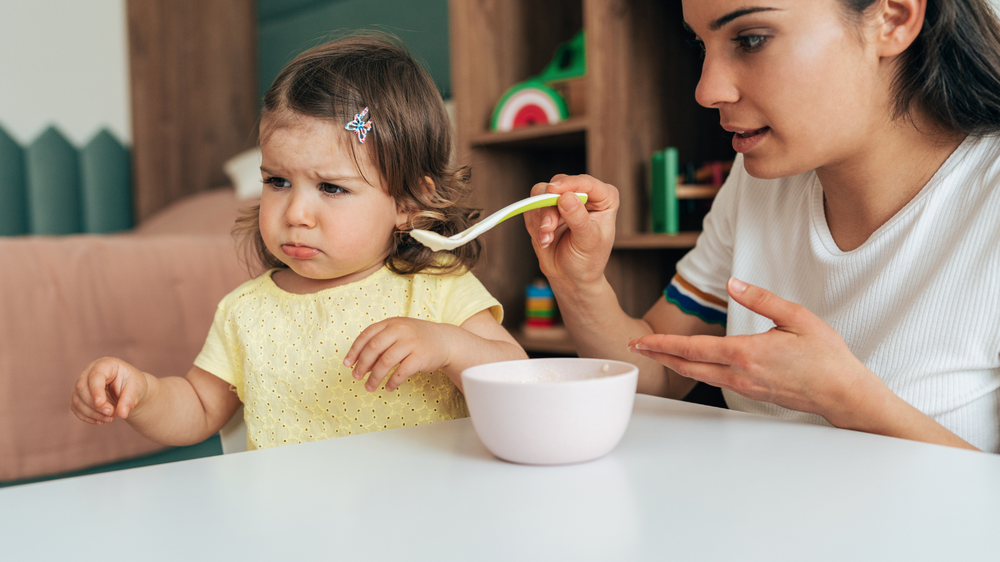
This is understandable since refusing the foods they previously enjoyed or not wanting to try new vegetables at all can make you anxious. However, this type of behaviour is fairly typical for toddlers. Understanding the reason can be very helpful for you.
Why Do Toddlers Refuse Vegetables?
Toddlers are at an age where they start understanding flavours and textures and gain a little bit of independence.
Some of the common reasons are as follows:
- Sweet Taste Preference: Toddlers prefer foods with sweet tastes and do not like bitter flavours.
- Intimidation by Unfamiliar Foods: Toddlers are often scared of new foods due to their colour, smell, or texture.
- Control: The act of saying no is a way of expressing freedom.
- Reduced Appetite: As they grow, children's appetite reduces.
- Experience: Any previous bad experience can result in refusing certain foods.
Is it Normal for Toddlers to Refuse Vegetables?
Yes, indeed. It is a perfectly normal behaviour that some kids can undergo in their lives, where they resist particular foods like vegetables at some point. Refusing vegetables does not necessarily mean that the toddler will be averse to them forever.
Often, repetition and patience allow toddlers to overcome their rejection. If your child grows properly and eats other kinds of foods, refusal of vegetables may not be a problem.
How Often Should I Offer the Vegetable?
It might take several repetitions before toddlers agree to eat a particular kind of food.
- Repetition: Usually, between 10 and 15 tries are enough.
- Avoid Forced Approach: No forcing or bribing should be done.
- Constant Repetition: Keep giving in small portions.
Easy Tips to Get Toddlers to Eat More Vegetables
Presenting vegetables in a positive manner makes a huge impact.
Add Vegetables to Normal Dishes
- Add Vegetables Regularly: Feed vegetables to your child with food, but not as the main dish.
- Use Little Amounts: Never feed the child too many vegetables in one meal.
- Couple with Favourite Foods: Combine new vegetables with a favourite food for your child.
Different Types of Vegetables Should Be Served
- Multicoloured: Offer colourful meals to your kid.
- Rotation of Vegetables: Never offer the same vegetable again and again to your child.
- Options: Offer at least two types of options from which your child chooses.
Cook the Vegetables in a Creative Way
- Be Innovative in Consistency: You can steam, roast, or make mashed vegetables.
- Interesting Cuts: Offer your kid differently cut vegetables.
- Combining with Food: Include vegetables with parathas, soups, or any other dishes.
Offer New Foods to Toddlers
The toddler gets familiarised with the new food with repeated exposure.
- Continued Exposure: Continue to feed the vegetable regardless of the rejection.
- Never Put Any Kind of Pressure on the Toddler: Do not force your toddler at any cost.
- Always Applaud the Efforts of Toddlers: Praise your toddler for the smallest efforts.
Should I Hide Vegetables?
It is one of the most frequently asked questions from parents. Vegetable hiding may serve as a means of increasing their consumption, but it should not be the sole method. It has some advantages, like ensuring adequate nutrition intake.
Setting up a Proper Atmosphere for Your Meals
How the meals are served can affect how your kid eats them.
- Dine Together: Kids tend to imitate others’ behaviour.
- Avoid Distractions: Do not allow screens during meal times.
- Maintain a Stress-Free Atmosphere: Do not fight during mealtimes.
- Patience: Not all kids progress at the same pace.
Role Modelling as a Strategy
Children love imitating things. Your child watches everything that happens around them. If they notice you eating vegetables often and enjoying them, they will likely try them.
Negative statements should not be used while talking about vegetables. You may unintentionally teach your child that vegetables are bad by expressing negative attitudes towards them. It is better to keep your words as neutral as possible.
Consistency is an important aspect in establishing healthy habits regarding food consumption. If you offer vegetables to your child on a regular basis, he/she will get used to their smell and taste sooner or later. A child who sees other people eating vegetables is more likely to want to try some himself/herself.
Approaches to Adopting Healthy Habits That Should Be Avoided While Dealing with Vegetable Resistance
Some tactics can actually increase your child’s aversion towards the food.
- Do Not Force Your Child to Eat Vegetables: Making your child eat vegetables against his/her will does not help and can even result in a child’s increased reluctance to consume certain products. The best approach would be calmness and patience.
- Do Not Use Vegetables as Rewards: Children should not be forced to eat anything by promising them some desserts for doing so.
- Labelling Your Child a Picky Eater: Labelling your child as a picky eater repeatedly will affect his/her identity in that way. They may get used to hearing it and continue with the behaviour. It is best to remain positive when referring to your child's eating habits.
- Expressing Frustration: Kids can be sensitive to any negative feelings you experience during feeding time. They are bound to react negatively if they sense frustration on your part. Maintaining a positive atmosphere will help them try different types of vegetables without any resistance.
Consulting Your Doctor
Refusal of vegetables may be temporary in nature. You need to seek advice from a health expert in case of:
- Very Restrictive Diets: In cases where your child refuses many food types but relies on a very limited selection of foods, the resultant nutrition deficiency may affect their physical development and the functionality of certain body organs.
- Poor Growth: When your child has problems growing in terms of weight and height due to poor eating habits, then you need to check with your doctor. You must ensure that your child has proper growth through monitoring and consultation.
- Swallowing or Chewing Difficulties: This can never be viewed as a healthy situation. When your child faces problems when swallowing or chewing food, this might mean that there are other health issues involved.
- Excess Sensitivity: In cases where a child has too much sensitivity to food types based on the texture, aroma, or look of the food, and shows gagging behaviours, you need to take it seriously.
A Little Thing Can Make a Big Difference
- Before your child becomes full, begin feeding vegetables
- Reduce portion sizes to decrease pressure
- Keep repeating exposure despite lack of immediate success
- Stay consistent, even when you see no results
Working With Your Child Without Getting Stressed
It is a regular process when your kid refuses some kinds of food; therefore, do not be nervous about it. Instead of thinking about one specific category, just try to give healthy nutrients to your child.
The problem you have is common for other parents because many people deal with it. As a result, after all efforts, you will see positive results.
Whether you’re pregnant, a new mom, or navigating postpartum, you don’t have to do it alone. Join our support group to connect, share, and support one another.
FAQs on Toddler Refusing Vegetables? Simple Tricks That Actually Help
- Is it usual for a toddler to refuse vegetables?
Certainly, this is a natural stage of toddlers who are getting acquainted with diverse flavours of food and may find new tastes unusual. Most kids get used to eating vegetables gradually. - How many times should you try to feed your child a new vegetable?
Toddlers need to be offered new vegetables many times until they agree to try them. It may take up to 10-15 times for a child to enjoy the taste. - Should you force your toddler to eat vegetables?
When you force your children to eat, you are likely to develop negative associations with food, causing them to be resistant. The best thing is to let the kid have an option to decide if he wants to eat the vegetables or not.