In this article:
Understanding Newborn Hair
Your baby’s hair starts growing early during pregnancy. Some babies are born with more hair, while others have very little, but both are normal.
The hair you see at birth is usually soft and light, and it may fall out within the first few weeks. This is replaced by slightly thicker hair as your baby grows. Over time, the new hair becomes stronger and more noticeable.
Every baby’s hair growth is unique, so changes in thickness, colour, and growth are all part of healthy development.
Common Baby Hair Growth Patterns
Your baby’s hair can grow in many different ways, and all are normal in the first year.
Uneven Hair Growth
Some babies may lose hair and then grow it back, while others have slow or uneven growth.Hair Shedding After Birth
Thick hair at birth may shed and return with a new texture, and very little hair at birth may increase slowly over time.Patchy or Slow Hair Growth
Uneven or patchy hair growth is common in the early months. These changes happen as your baby grows and develops.Factors That Affect Baby Hair Growth
Your baby’s hair can grow differently, depending on a few natural factors. These include:
- Genetics
- Nutrition
- Overall health
- Hormonal changes
Why Do Babies Lose Hair After Birth?
Hormonal Changes
It is common for your baby to lose hair in the first few months. After birth, hormone levels drop, which causes hair to stop growing and start shedding. This is a normal and temporary process.Friction and Bald Spots
If your baby spends a lot of time lying on their back, rubbing can cause small bald spots.Cradle Cap and Hair Loss
Sometimes, cradle cap (a common scalp condition in babies) can make hair fall out more easily.Changes in Baby Hair Texture and Colour
The following are some common changes in hair texture and colour that you may notice in your baby during the first year.
- Your baby may lose birth hair in the first 6 months, and new hair can grow back with a different look
- Hair colour may change over time, with dark hair becoming lighter or light hair turning darker
- Texture can also change, where soft or straight hair may become thicker or even curly
How to Care for Your Baby’s Hair
Your baby’s scalp is soft and delicate. With the right routine, you can keep your baby’s hair clean and healthy without causing irritation.
- Wash your baby’s hair 1–2 times a week with mild baby shampoo
- Use lukewarm water and rub the scalp harshly
- Use a soft towel and lightly press it against your baby’s hair to dry it, not rub it
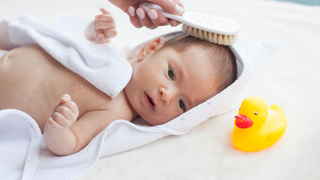
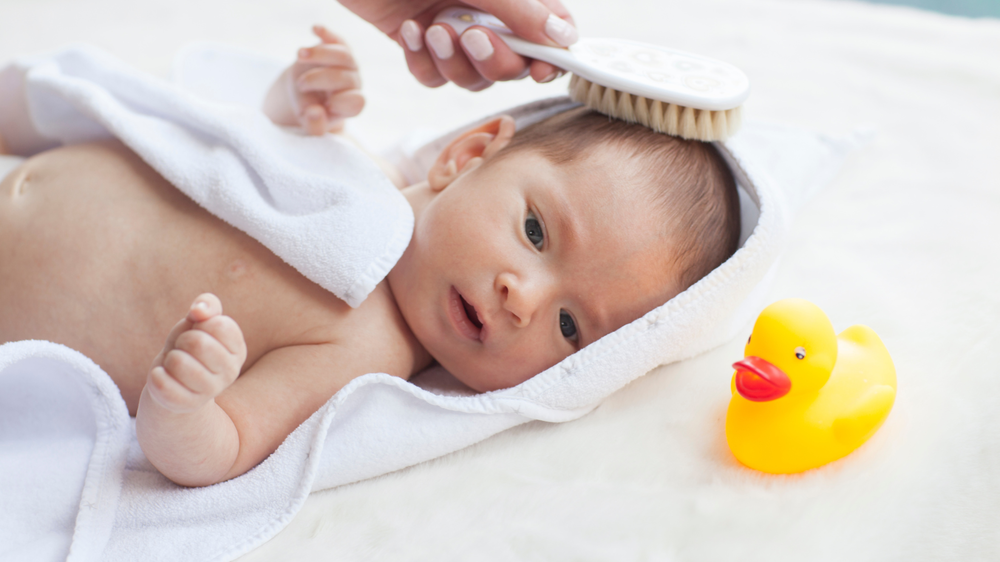
- Use a soft brush or wide‑tooth comb
- Avoid tight clips or hairstyles
- You may use oil sometimes, but it is not needed
- Keep the scalp clean to prevent dryness
Common Myths About Baby Hair Growth
Many common beliefs about baby hair are not true. Knowing the facts helps you care for your baby's hair without worry.
- Shaving your baby’s head does not make the hair thicker; it mostly depends on genetics
- Applying oil every day can keep the scalp soft, but it doesn’t really make hair grow faster
- Cutting hair often won’t change how fast it grows; hair grows at its own pace
When To Worry About Baby Hair Loss or Slow Growth
Most changes in baby hair are normal, but sometimes it is better to check with a doctor. If something feels unusual, do not ignore it.
- If your baby has no hair growth even after 12 months
- If you notice sudden or heavy hair loss
- If the scalp shows redness, scaling, or signs of infection
Simple Baby Hair Care Tips for New Parents
Taking care of your baby’s hair is simple. Gentle habits keep the scalp healthy and help natural growth.
- Keep your baby’s scalp clean with gentle washing
- Give proper nutrition after 6 months to support growth
- Avoid harsh products on the scalp
- Be patient because hair growth takes time and is different for every baby
Whether you’re pregnant, a new mom, or navigating postpartum, you don’t have to do it alone. Join our support group to connect, share, and support one another.
FAQs on Baby Hair Growth: What’s Normal in the First Year?
- Is it normal if my baby is born with no hair?
Yes, some babies are born with very little or no hair, and it is completely normal. - When do babies start growing hair properly?
New hair usually starts growing within a few months after the initial hair falls out. - Can the weather affect my baby’s hair growth?
Weather does not directly affect hair growth, but proper scalp care is important in all seasons.