Ear Piercing in Babies: Cultural Beliefs and Medical Guidance

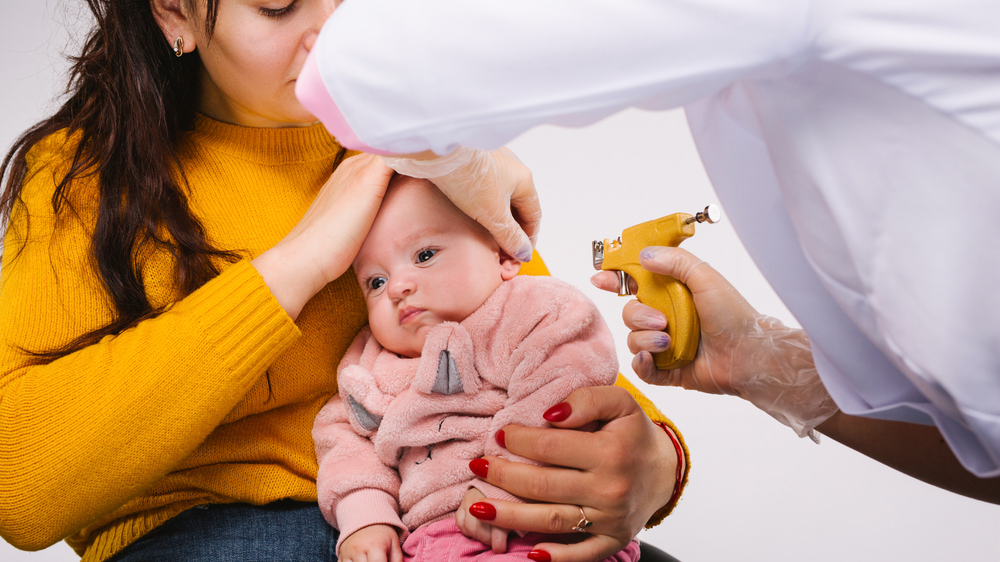
Ear piercing in babies is an auspicious event, celebrated with joy among all Indian households. While it’s a beautiful tradition, many parents unknowingly expose their little ones to side effects like swelling, redness, itchiness, or even discharge. From considering the right age to post-piercing care, understanding the necessary medical guidance is important to make the ritual a happy and safe experience.

Pregatips
baby piercing
Ear piercing (also known as Karnavedha) in babies isn’t new; it’s been practised for centuries by our ancestors! And that’s for countless good reasons! From improved brain development and eyesight to better respiratory and reproductive health, the internet is flooded with the benefits of ear piercing in babies!

Although it’s part of cultural significance, many parents also reported ear-piercing infections in their babies, such as redness, swelling, pain, or even pus. Unfortunately, all the credit goes to improper medical attention and a lack of hygiene. Even today, parents follow the tradition and end up making their little ones victims of these infections.


Now the question arises- How can you follow the tradition without risking the life of your baby? Let’s discuss the cultural significance of ear piercing in babies and medical guidance on keeping your little one safe and healthy.


What are the Cultural Beliefs Around Baby Ear Piercing in India?


Ear piercing in babies holds a special place in almost every culture across India. For some families, it’s a mandatory tradition that signifies identity and faith. Here are popular cultural beliefs around baby piercing.

  • Religious & Spiritual Beliefs
It’s more of a sacred ritual than a fashion statement! Parents conduct a special ceremony for their baby's ear piercing to make it memorable. Many believed that it was done to prevent negative energy, improve their intelligence, and promote the baby’s growth. The auspicious day is determined according to the traditional Hindu calendar, known as the “Panchang”.

  • Celebrating Milestones
In many parts of India, ear piercing marks the completion of a significant milestone, which is often celebrated through family gatherings and ceremonies. Furthermore, parents usually pierce their baby’s ear to honour deities and seek divine blessings.

  • Fashion & Identity Significance
Though it’s important from a cultural aspect, it’s a symbol of beauty, health, and identity (of a specific community). Parents even choose the jewellery for their baby’s ears to match their familial heritage. Gold and diamond studs are often considered for ear piercing in babies.


What Medical Guidance Do Doctors Suggest for Ear Piercing in Babies?


Piercing your baby’s ear is more than just culture, beauty, and well-being. Overlooking fundamentals during the procedure can lead to serious infections. Here is the medical guidance suggested by experts for safe and comfortable ear piercing in babies.

  • Don’t Overlook Your Baby’s Age
Don’t just rush into the traditional wave. Doctors recommend that babies be at least 6 months old for ear piercing. So, keep that in mind before organising a ceremony.

  • Maintain a Sterile Environment
Though it’s usually done at home in some parts of India, it’s recommended to choose a dedicated medical facility. Furthermore, always ensure the equipment is properly sterilised that is going to be used for piercing your baby’s ear.

  • Prioritise Material
Always opt for hypoallergenic metals such as gold, surgical steel, and diamond studs for your baby’s ear piercing to keep allergic reactions at bay. Avoid selecting cheap or decorative materials that could be dangerous for your little one.

  • Keep it for a Minimum of 6 Months
Once you’re done with your baby’s ear piercing, it’s recommended to keep it for at least 6 months to allow your little one’s ear to heal. Therefore, you should carefully finalise the material, time, and design before making the move.

  • Aftercare is a Must
After your baby’s ear piercing, you should take proper care to avoid allergic reactions. Always wash your hands before touching your baby’s ears. Consistently look out for signs of a reaction, like redness, swelling, or pain. If the condition persists, consult a doctor immediately.


Ear piercing is a commonly practised tradition that has been followed by almost every Indian household. While it’s a precious moment to celebrate, always keep health considerations in mind to make it a happy, safe, and memorable experience. With the right medical advice, such as proper hygiene, hypoallergenic materials, and post-care, you can protect your baby from serious side effects.


Note: Always consult a certified paediatrician or a healthcare professional before piercing your baby’s ear.

Whether you’re pregnant, a new mom, or navigating postpartum, you don’t have to do it alone. Join our support group to connect, share, and support one another.


FAQs on Ear Piercing in Babies: Cultural Beliefs and Medical Guidance

  1. How long does it take to heal your baby’s ears after piercing?
    Generally, it takes up to 8 weeks to get your baby’s ear completely healed after the piercing procedure. Simply follow the doctor’s instructions for safe and speedy recovery.
  2. Does ear piercing change the shape of my baby’s earlobe in future?
    No, ear piercing doesn’t affect or change the shape of your baby’s earlobe in future if it’s done under medical supervision.
  3. My baby has been ill for the past few days. Should I still go for the ear piercing of my little one?
    No, if your baby is ill, it’s better to postpone the ear piercing procedure until the child is healthy.
Disclaimer: Medically approved by Dr Rajat Grover, MBBS, MD (Paediatrics), DM (Neonatology), Cloudnine Group of Hospitals, East Delhi"